

Introduction to Loess Pneumatic Conveying and the Working Principle of Pneumatic Conveying Systems
Loess, a type of fine-grained soil composed mainly of silt, presents unique challenges in material handling due to its high moisture content and cohesive properties. Traditional bulk material transport methods often struggle with such characteristics, making pneumatic conveying an effective solution. This article provides an overview of loess pneumatic conveying systems, detailing their operational principles and the technical aspects that enable efficient material transport.
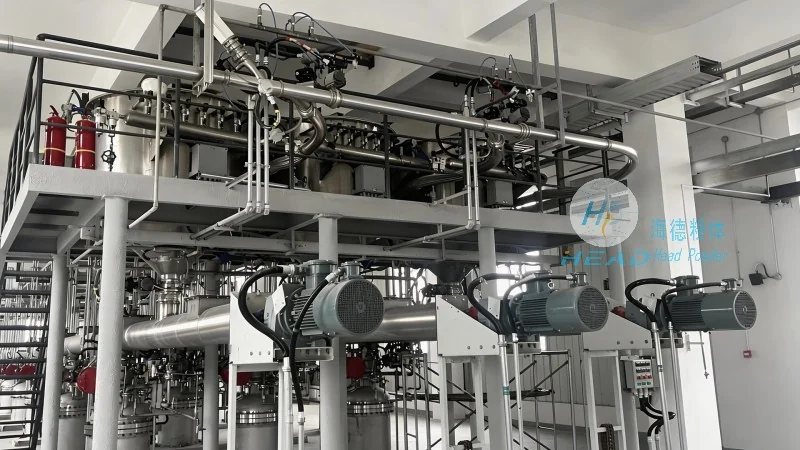
HeadPowder, a leading provider in the field, specializes in designing and manufacturing pneumatic conveying systems tailored to handle loess and other similar materials. With a focus on innovation and reliability, the company has established itself as a trusted partner for industries requiring robust material handling solutions. The following sections will explore the fundamental concepts of pneumatic conveying, the specific considerations for loess, and the technical implementation of these systems.
Understanding Pneumatic Conveying Systems
Pneumatic conveying systems utilize air or gas to transport bulk materials through a pipeline network. The core components include a material feed device, a conveying line, a control system, and a discharge mechanism. The system operates by creating a pressure differential, either through suction (negative pressure) or pressure (positive pressure), to move the material along the pipeline. This method offers several advantages, including the ability to handle dusty or hazardous materials, reduce equipment wear compared to mechanical systems, and achieve high transport rates with minimal maintenance.
For loess, the selection of the appropriate conveying method is critical. Loess's fine particle size and tendency to clump can affect the system's efficiency. Therefore, systems often incorporate features such as pre-drying, agitators, or special feed mechanisms to ensure consistent material flow. The choice between positive and negative pressure systems depends on factors like the distance to be covered, the volume of material, and the need for dust control.
Key Components of a Loess Pneumatic Conveying System
The effectiveness of a loess pneumatic conveying system hinges on the integration of several key components. The material feed device, such as a rotary valve or a star feeder, ensures a controlled and continuous supply of loess into the conveying line. This component is crucial for maintaining consistent air flow and preventing blockages. The conveying line itself is typically made of corrosion-resistant materials like stainless steel or PVC, designed to withstand the abrasive nature of loess particles.
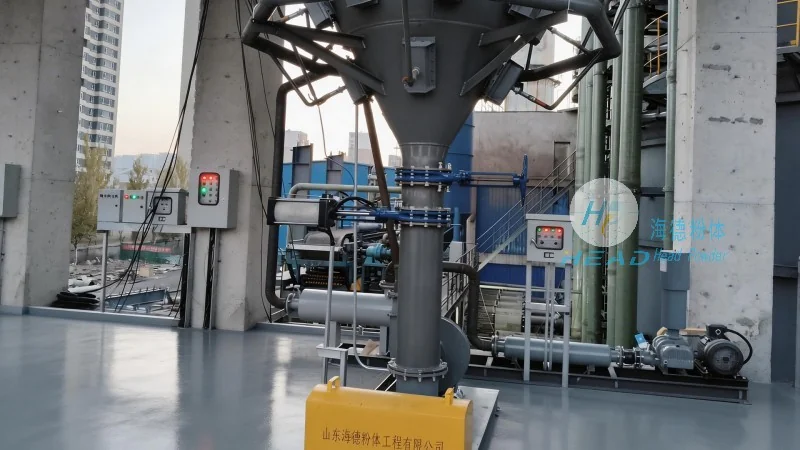
The air compressor or vacuum pump provides the necessary pressure or suction to move the material. For loess, a high-efficiency compressor is essential to handle the high volume of material and maintain system pressure. The control system monitors and regulates the air flow, pressure, and material feed rate, ensuring optimal performance and preventing system overload. Finally, the discharge mechanism, which may include a rotary valve or a venturi, safely releases the loess at the destination point, often with integrated dust collection to comply with environmental regulations.
Operational Principles and Efficiency Considerations
The operational principle of a pneumatic conveying system for loess involves creating a stable air stream that entrains the material particles. The air velocity within the pipeline must be sufficient to prevent particle settling but not excessive, which could lead to excessive wear on the system components. The system's efficiency is influenced by several factors, including the pipeline diameter, the length of the conveying line, and the type of material being transported. Proper sizing of the pipeline and the air compressor is critical to achieving high transport rates while minimizing energy consumption.
For loess, the system must also account for the material's moisture content. Excess moisture can cause the loess to clump, leading to blockages and reduced system efficiency. Pre-drying or moisture control measures may be integrated into the system to ensure the material remains in a free-flowing state. Additionally, the system's design should include features to minimize air leakage and maintain the pressure differential, as any loss of pressure can significantly impact the conveying capacity.
Applications and Industry Use Cases
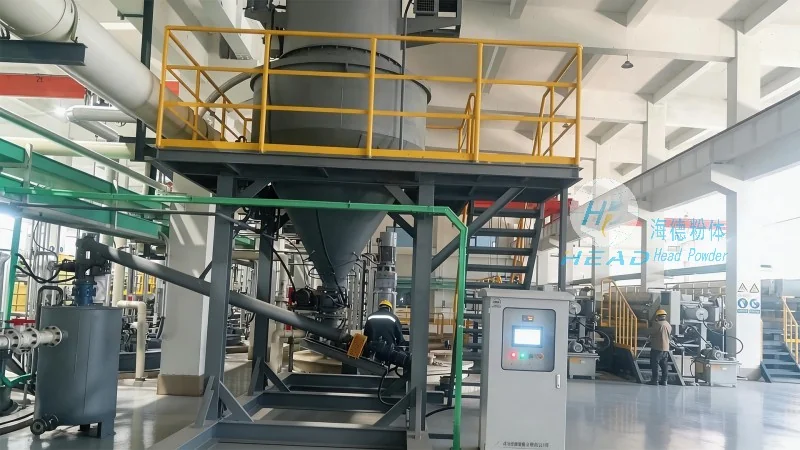
Loess pneumatic conveying systems are widely used in various industries, including construction, mining, and agriculture. In the construction sector, these systems are employed to transport loess for building materials, such as bricks or mortar, where consistent quality and low dust generation are essential. In mining operations, loess is often transported from storage silos to processing facilities, requiring reliable and efficient material handling. The agricultural industry also utilizes pneumatic conveying for transporting loess-based fertilizers or soil amendments, ensuring precise application and minimal environmental impact.
Each application requires a customized system design to meet specific operational needs. For example, a system used in a construction plant may prioritize high transport rates and dust control, while a system in a mining operation may focus on durability and resistance to harsh environmental conditions. HeadPowder's expertise lies in tailoring these systems to the unique requirements of each client, ensuring optimal performance and cost-effectiveness.
Maintenance and Longevity of Loess Pneumatic Conveying Systems
Proper maintenance is essential to ensure the longevity and efficiency of a loess pneumatic conveying system. Regular inspections of the conveying line for signs of wear or corrosion are necessary to prevent leaks and maintain system pressure. The material feed device and discharge mechanism should be checked for blockages or wear, as these components are prone to clogging due to loess's fine particle size. The air compressor or vacuum pump should be serviced regularly to ensure optimal performance and prevent breakdowns.
HeadPowder emphasizes preventive maintenance to minimize downtime and extend the system's lifespan. This includes routine cleaning of the system, replacement of worn parts, and monitoring of system parameters. By adhering to a regular maintenance schedule, users can ensure that their loess pneumatic conveying system operates at peak efficiency, reducing operational costs and maximizing material throughput.