

Introduction to Iron Sand Pneumatic Conveying and the Working Principle of Pneumatic Conveying Syste
HeadPowder, a leading engineering company based in Shandong, China, specializes in the design, manufacturing, and installation of advanced pneumatic conveying systems. With a strong focus on industrial material handling solutions, HeadPowder provides tailored solutions for various applications, including the efficient transport of iron sand—a critical component in many manufacturing processes. This article introduces the concept of iron sand pneumatic conveying and explains the fundamental working principles of pneumatic conveying systems, highlighting the technology's benefits and practical applications.
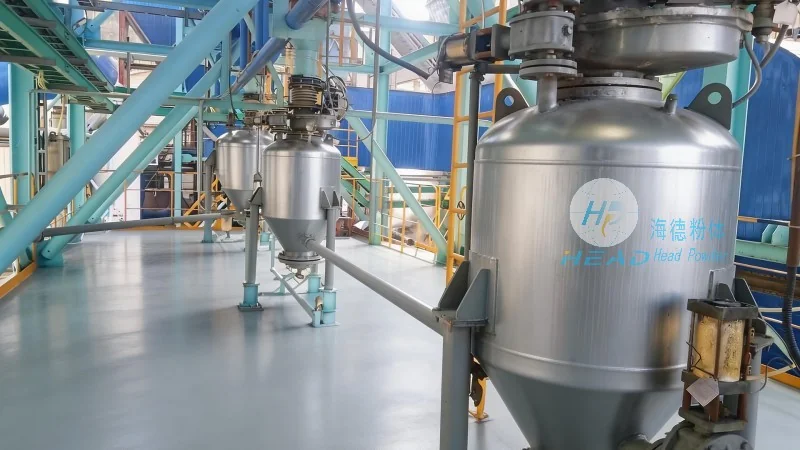
The Working Principle of Pneumatic Conveying Systems
Pneumatic conveying systems utilize air or gas to transport bulk materials like iron sand from one location to another. The core mechanism involves creating a pressure differential between the material source and the destination. In a typical system, a blower or compressor generates airflow, which draws iron sand particles into a pipeline. The air velocity is carefully controlled to ensure the particles remain suspended and move smoothly through the system. The system can operate under either positive pressure (where air is forced through the system) or negative pressure (where air is drawn out, creating a vacuum). The choice of pressure type depends on the specific application, material characteristics, and system layout.
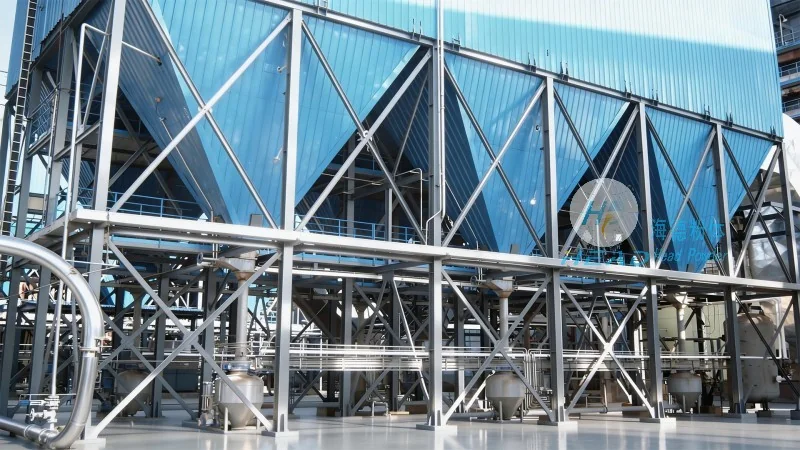
Key Components in an Iron Sand Pneumatic Conveying System
An iron sand pneumatic conveying system consists of several essential components that work in concert to ensure efficient material transport. These include a material feeder, which introduces iron sand into the system at a controlled rate; a conveying line, typically made of stainless steel or other corrosion-resistant materials to handle the abrasive nature of iron sand; a blower or compressor that provides the necessary air pressure; a control valve or regulator to adjust airflow and pressure; and a discharge device that delivers the iron sand to the target location. Additionally, the system may incorporate components such as filters, cyclones, or dust collectors to manage air quality and prevent material buildup in the system.
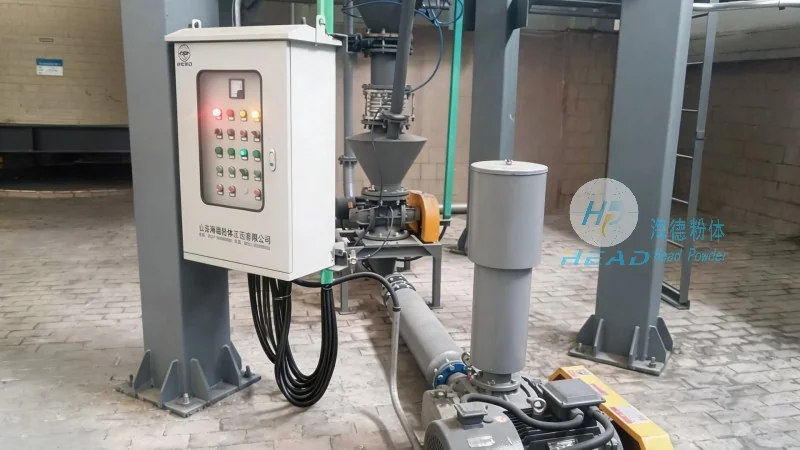
Advantages of Using Pneumatic Conveying for Iron Sand Transport
Compared to traditional mechanical conveying methods, pneumatic conveying offers several advantages when transporting iron sand. First, it provides a fully enclosed system, which minimizes dust exposure and improves workplace safety. Second, the technology allows for flexible system layouts, as the conveying line can be routed around obstacles or through multiple stages of a production process. Third, pneumatic conveying can handle a wide range of material sizes and shapes, including fine powders and irregularly shaped iron sand particles. Fourth, the system is highly efficient in terms of energy consumption and can achieve high material throughput rates. Finally, the enclosed nature of the system reduces material loss and contamination, ensuring consistent product quality.
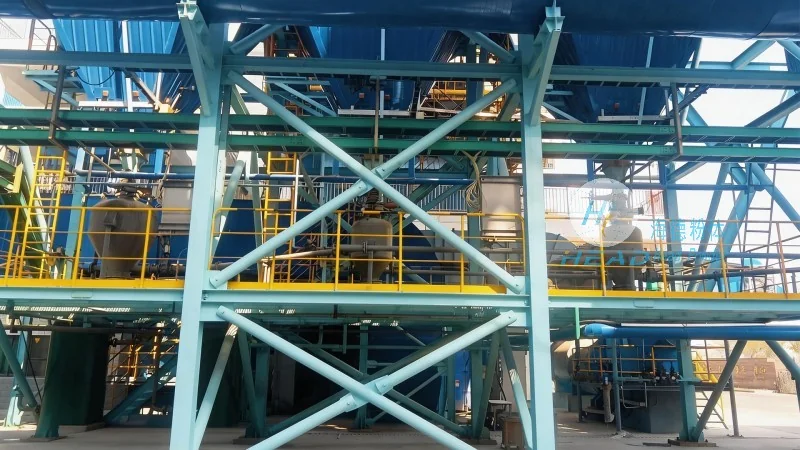
Application Scenarios and Practical Considerations
Iron sand pneumatic conveying systems are widely used in various industries, including steel manufacturing, foundries, and construction material production. In steel plants, for example, the system is used to transport iron sand from storage silos to casting machines or other processing equipment. In foundries, it helps move iron sand for mold making and casting processes. Practical considerations when implementing such a system include the selection of appropriate air pressure and velocity to prevent material degradation or blockages, the choice of suitable materials for the conveying line to withstand abrasion and corrosion, and the integration of dust control measures to comply with environmental regulations. Proper maintenance and regular inspection of components like the blower, filters, and control valves are also crucial to ensure the system operates reliably and efficiently over time.