

What is a Fly Ash Pneumatic Conveying Equipment? Introduction to the Structure and Principle of Powd
HeadPowder, a leading provider of industrial conveying solutions, specializes in the design and manufacturing of advanced pneumatic conveying systems tailored for handling fly ash and other fine powders. This article delves into the core components, operational principles, and technical advantages of fly ash pneumatic conveying equipment, offering a comprehensive overview for industry professionals and potential clients.
Key Structural Components of Fly Ash Pneumatic Conveying Systems
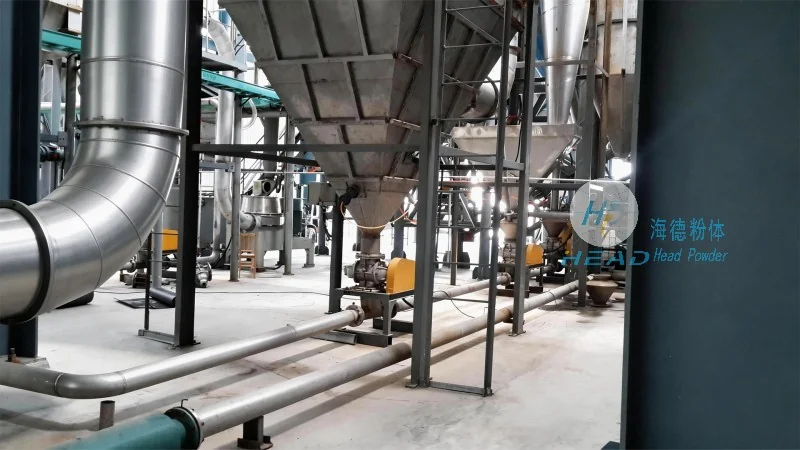
The fly ash pneumatic conveying system typically consists of several critical components that work in tandem to ensure efficient material transport. These include the hopper or feed hopper, which serves as the storage and feeding unit for the fly ash. The feed hopper is equipped with a feeder, such as a rotary valve or a screw feeder, to control the flow rate of the material into the conveying line. The conveying line itself is made of high-quality, corrosion-resistant materials like stainless steel or special alloys to withstand the abrasive nature of fly ash. At the receiving end, a silo or storage tank is used to collect the conveyed material, often equipped with a discharge valve or outlet for further processing. Additionally, the system may include a filter or dust collector to manage air emissions and maintain environmental compliance.
Working Principle of Pneumatic Conveying for Fly Ash
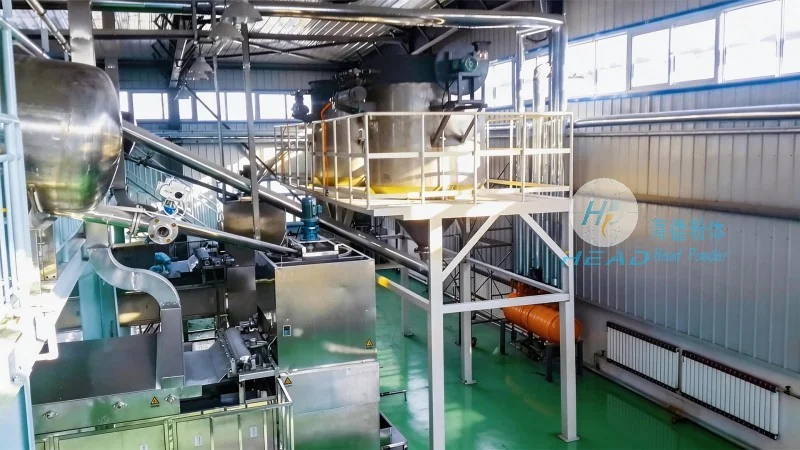
The operation of a fly ash pneumatic conveying system relies on the principle of air movement to transport solid particles. In a typical positive pressure system, a blower or compressor generates high-pressure air that is introduced into the conveying line. The fly ash is then introduced into the line through the feeder, and the air flow carries the particles forward. The velocity of the air is carefully controlled to ensure that the particles remain suspended and do not settle out prematurely. The system may also incorporate a series of bends, elbows, or straight sections in the conveying line, each designed to maintain the proper air-particle mixture and prevent blockages. The receiving silo is connected to the line via a venturi or a diffuser, which helps to decelerate the air and allow the fly ash to settle out smoothly.
About HeadPowder Engineering Co., Ltd.
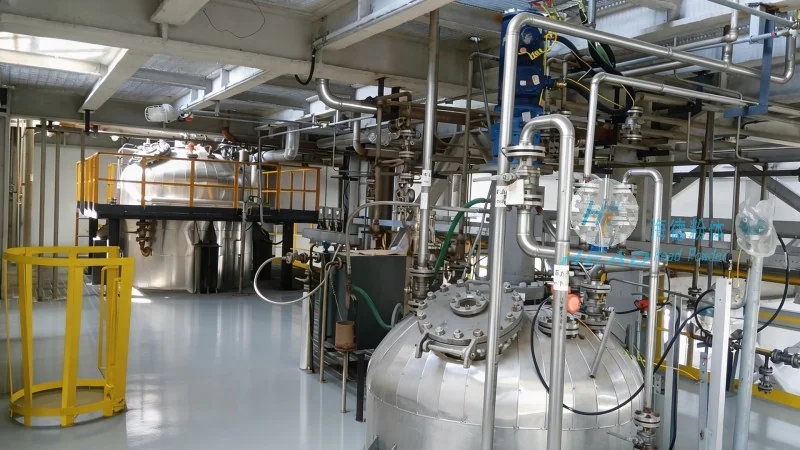
HeadPowder Engineering Co., Ltd., based in Shandong, China, is a reputable manufacturer specializing in industrial powder handling equipment. With years of experience in the field, the company has developed a range of high-performance pneumatic conveying systems suitable for various applications, including fly ash transport in power plants and other industrial facilities. The company’s commitment to quality, innovation, and customer satisfaction has earned it a strong reputation in the industry, making it a trusted partner for businesses seeking reliable and efficient conveying solutions.