

What is Wheat Material Handling? What Are the Design Principles?
Wheat material handling is a critical process in the agricultural and food processing industries, focusing on the efficient movement, storage, and transfer of wheat and related grain products. This essential operation ensures that wheat moves from the field to processing facilities, storage silos, or distribution centers with minimal loss, damage, and energy consumption. Understanding the mechanisms behind wheat material handling and the design principles that govern these systems is vital for optimizing agricultural productivity and industrial efficiency.
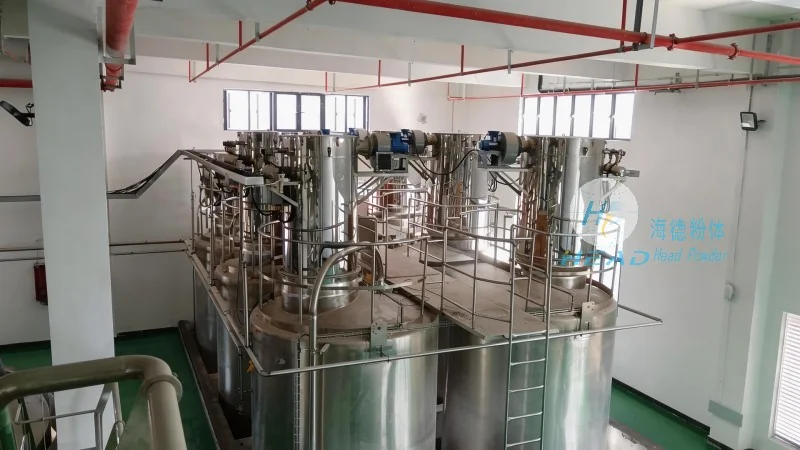
Understanding Wheat Material Handling Systems
Wheat material handling systems are engineered to manage the entire lifecycle of wheat, from harvest to processing facilities. These systems typically include components such as conveyors, elevators, storage bins, and processing equipment. The primary goal is to streamline the flow of wheat while maintaining its quality and integrity. Key aspects of these systems involve controlling moisture content, preventing contamination, and ensuring consistent grain quality throughout the handling process. The design of such systems must account for the unique physical properties of wheat, including its size, shape, and susceptibility to breakage or dust generation.
Core Design Principles for Wheat Material Handling
The design of effective wheat material handling systems relies on several fundamental principles that ensure efficiency, safety, and durability. One of the most critical principles is the minimization of grain damage during transport. Wheat kernels are delicate and can be easily cracked or broken, which affects their market value and processing quality. Therefore, systems are designed with gentle handling mechanisms, such as slow-moving conveyors and low-impact elevators, to preserve grain integrity. Another key principle is the prevention of contamination. Wheat is highly susceptible to microbial growth and pest infestation, so handling systems incorporate features like sealed enclosures, cleaning mechanisms, and proper ventilation to maintain grain purity. Additionally, energy efficiency is a major design consideration. Modern systems utilize advanced technologies, including variable-speed drives and optimized conveyor layouts, to reduce power consumption while maintaining high throughput. The integration of automation and control systems also plays a role in optimizing operational efficiency, allowing for real-time monitoring and adjustment of handling parameters.
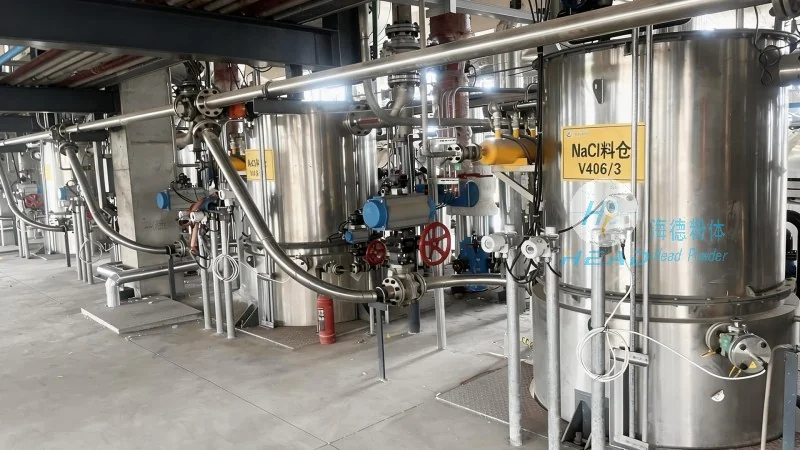
Role of HeadPowder in Wheat Material Handling Solutions
Shandong HeadPowder Engineering Co., Ltd., commonly known as HeadPowder, is a leading provider of specialized equipment and systems for wheat material handling. With a strong presence in China, particularly in Shandong, the company has established itself as a trusted partner for agricultural and food processing businesses. HeadPowder’s expertise lies in designing and manufacturing customized solutions that meet the specific needs of wheat handling operations. The company’s product line includes a range of equipment, such as bucket elevators, belt conveyors, and storage silos, all engineered to adhere to the core design principles discussed above. By focusing on durability, efficiency, and grain preservation, HeadPowder ensures that its systems deliver reliable performance in demanding agricultural environments. The company’s commitment to quality and innovation has made it a preferred choice for clients seeking to enhance their wheat handling capabilities. HeadPowder’s solutions are tailored to various applications, from small-scale farm operations to large industrial processing facilities, providing scalable options that adapt to changing production needs.
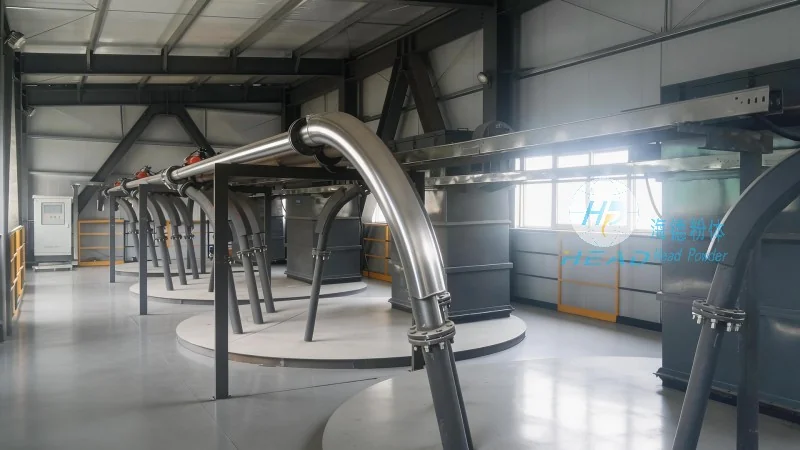
Key Components of Wheat Material Handling Systems
Effective wheat material handling systems consist of several interconnected components, each playing a crucial role in the overall operation. The first component is the intake and reception system, which typically includes a receiving hopper or bin that collects harvested wheat from trucks or combines. This system is designed to handle large volumes of grain while minimizing spillage and dust. The next component is the conveying system, which transports wheat from the intake area to storage or processing facilities. Common types of conveyors used in wheat handling include bucket elevators, screw conveyors, and belt conveyors. Each type has its advantages, such as bucket elevators for vertical transport and belt conveyors for horizontal movement. The storage system, often in the form of silos or bins, is another critical component. These structures are designed to store wheat under controlled conditions, preventing spoilage and maintaining quality. The processing system, which may include cleaning, drying, or milling equipment, is the final stage of the handling process. This system prepares the wheat for further use, such as animal feed or human consumption. Each component is carefully integrated to ensure smooth and continuous operation, with proper controls and monitoring to maintain optimal performance.
Benefits of Proper Wheat Material Handling
Implementing well-designed wheat material handling systems offers numerous benefits for agricultural and food processing operations. One of the primary advantages is improved grain quality and preservation. By minimizing damage and contamination, these systems help maintain the market value of wheat, ensuring higher profits for farmers and processors. Another benefit is increased operational efficiency. Efficient handling systems reduce downtime, lower energy costs, and enhance throughput, allowing businesses to process more grain in less time. Additionally, proper handling reduces labor costs by automating many tasks, such as conveyor operation and grain transfer. The use of advanced technologies, such as sensors and automation, further enhances these benefits by providing real-time data on grain conditions and system performance. Overall, effective wheat material handling is essential for optimizing the entire agricultural supply chain, from farm to consumer. It ensures that wheat is handled in a way that maximizes its value and meets the quality standards required for various applications.