

What is a Petroleum Coke Material Handling System? What is its Design Principle?
Petroleum coke, a byproduct of the oil refining process, is widely used in various industrial applications such as steel production, carbon black manufacturing, and power generation. Efficient material handling systems are crucial for the smooth operation of facilities that process petroleum coke, ensuring consistent flow and minimizing downtime. This article explores the components and design principles of a petroleum coke material handling system, highlighting the expertise of Shandong HeadPowder Engineering Co., Ltd. in providing tailored solutions for industrial clients.
Introduction to Petroleum Coke Material Handling Systems
Petroleum coke, often referred to as petcoke, is a solid carbonaceous material derived from the coking process of heavy petroleum residues. It is characterized by its high carbon content and low moisture levels, making it an essential raw material in the production of electrodes, carbon products, and other industrial goods. The handling of petroleum coke requires specialized equipment due to its abrasive nature and tendency to generate dust. A well-designed material handling system not only improves operational efficiency but also enhances safety by controlling dust emissions and preventing material degradation.
HeadPowder Engineering: A Leader in Petroleum Coke Handling Solutions
Shandong HeadPowder Engineering Co., Ltd., a prominent company based in China, specializes in the design, manufacturing, and installation of material handling systems for petroleum coke and other bulk materials. With years of experience in the industry, HeadPowder has developed a reputation for delivering high-quality, reliable systems that meet the specific needs of clients across various sectors. The company's commitment to innovation and customer satisfaction has positioned it as a trusted partner for facilities seeking to optimize their petroleum coke processing operations.
Key Components of a Petroleum Coke Material Handling System
A typical petroleum coke material handling system consists of several interconnected components that work together to transport, store, and process the material. The primary components include:
1. Feeding Equipment: This includes hoppers and feeders that regulate the flow of petroleum coke from storage silos or stockpiles into the processing line. Proper feeding equipment ensures a consistent and controlled supply of material, preventing blockages and overloading of downstream equipment.
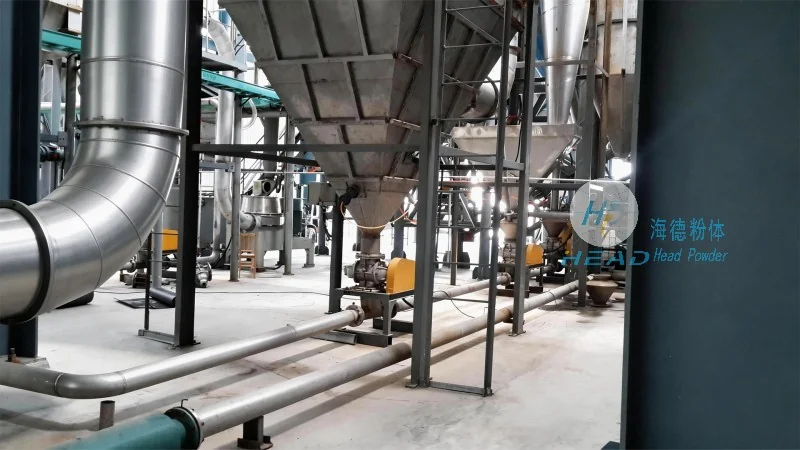
2. Pneumatic Conveying Systems: For long-distance or high-velocity transport, pneumatic conveying systems use air to move petroleum coke through pipelines. These systems are ideal for applications requiring dust control and minimal material degradation. HeadPowder offers both positive and negative pressure conveying options to suit different operational requirements.
3. Conveyors: Belt conveyors and screw conveyors are commonly used for horizontal or inclined transport of petroleum coke. Belt conveyors are preferred for large volumes due to their high capacity and durability, while screw conveyors are suitable for smaller applications or where space is limited.
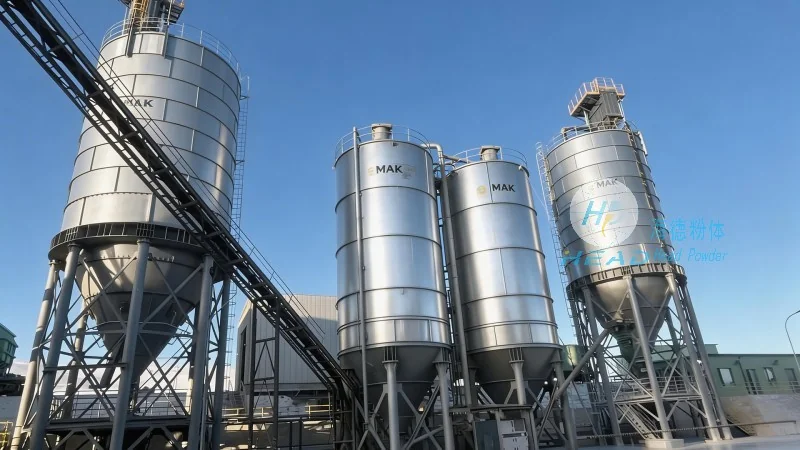
4. Storage Silos: Large storage silos are used to store petroleum coke before it is processed or shipped. These silos are designed with anti-dust and anti-corrosion features to maintain material quality and ensure safe storage. HeadPowder's silos are constructed with high-quality materials to withstand the abrasive nature of petroleum coke.
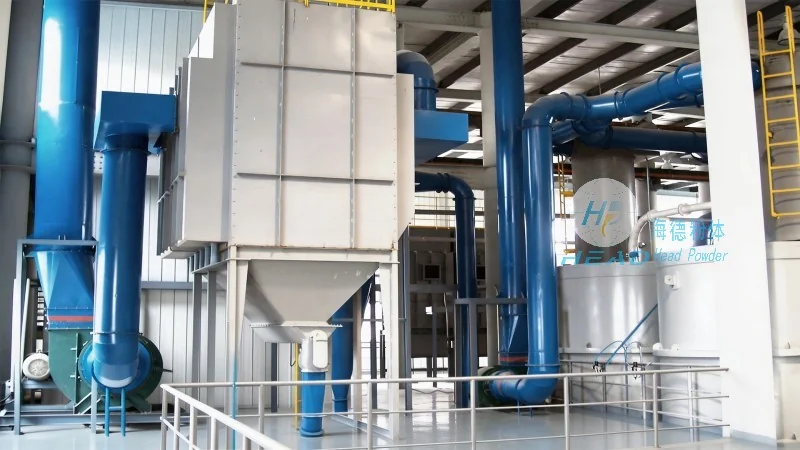
5. Dust Control Systems: Given the dusty nature of petroleum coke, effective dust control is essential for maintaining a safe and healthy working environment. HeadPowder integrates advanced dust collection systems, such as baghouses and cyclones, into their material handling solutions to minimize emissions and comply with environmental regulations.
Design Principles for Optimal Performance
The design of a petroleum coke material handling system follows several key principles to ensure efficiency, reliability, and safety. These principles include:
1. Material Compatibility: All components of the system are selected to be compatible with petroleum coke's abrasive and corrosive properties. Materials like stainless steel, high-grade alloys, and wear-resistant coatings are used to extend the lifespan of equipment and reduce maintenance costs.
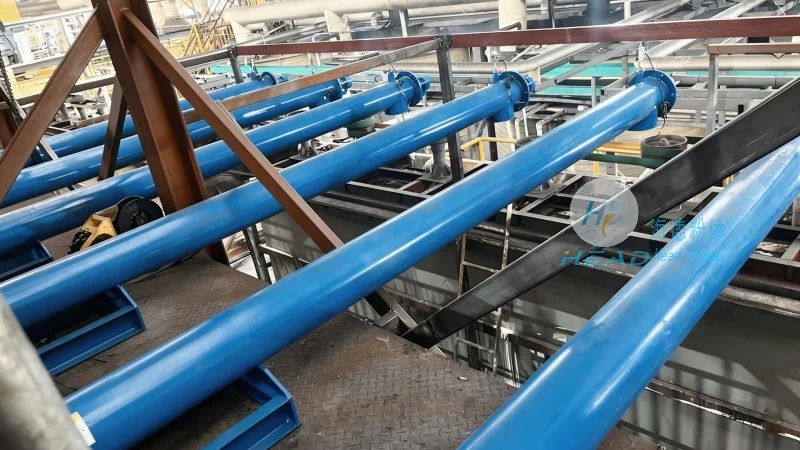
2. Flow Optimization: The system is designed to minimize friction and resistance, ensuring smooth material flow. Properly sized and shaped components, such as hoppers and pipelines, are used to maintain consistent flow rates and prevent material buildup.
3. Safety and Environmental Compliance: HeadPowder's systems are designed to meet or exceed industry safety and environmental standards. This includes features like explosion-proof designs, dust suppression systems, and regular maintenance protocols to ensure safe operation and compliance with regulations.
4. Modularity and Scalability: The system is built with modular components that can be easily expanded or modified to accommodate changes in production volume or operational needs. This flexibility allows clients to adapt their material handling solutions as their business grows.
Conclusion
Efficient petroleum coke material handling systems are critical for the success of industrial operations that rely on this valuable raw material. Shandong HeadPowder Engineering Co., Ltd. provides comprehensive solutions that incorporate advanced design principles and high-quality components to meet the unique challenges of petroleum coke processing. By investing in a well-designed material handling system, facilities can improve productivity, reduce costs, and ensure a safe working environment. HeadPowder's expertise and commitment to customer satisfaction make it a reliable choice for businesses seeking to optimize their petroleum coke handling operations.