

What is a Lithium-Ion Battery Material Handling System Equipment? What are its Design Principles?
Exploring the Lithium-Ion Battery Material Handling System and Its Design Principles
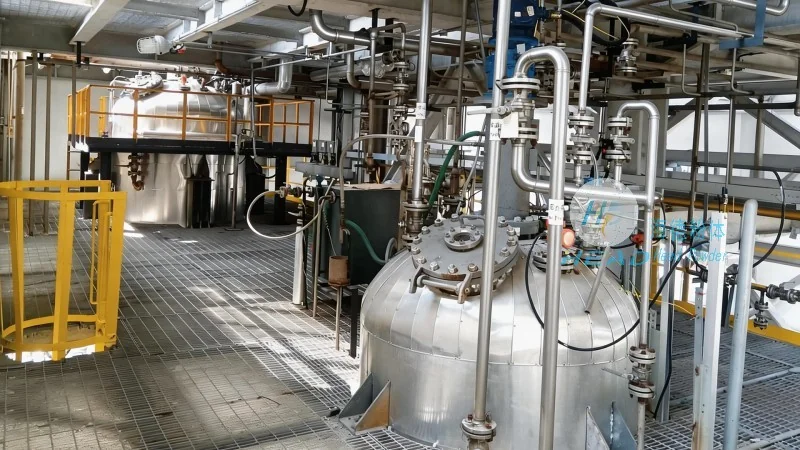
Overview of the Lithium-Ion Battery Material Handling System
The lithium-ion battery material handling system is a specialized industrial equipment designed to manage the movement of materials throughout the production and processing stages of lithium-ion batteries. As a critical component in modern battery manufacturing, this system ensures the efficient and safe transfer of raw materials, intermediate products, and finished battery cells. It integrates various technologies, including conveyor systems, automation, and material handling mechanisms, to optimize workflow and enhance operational efficiency in battery production facilities.
Company Profile: HeadPowder - Shandong HeadPowder Engineering Co., Ltd.
HeadPowder, a leading manufacturer in the battery material handling sector, specializes in the design, development, and production of advanced solutions for the battery industry. HeadPowder, with its headquarters in Shandong, China, has built a strong reputation for delivering high-quality, reliable equipment tailored to the specific needs of lithium-ion battery manufacturers. The company leverages local expertise and resources to provide innovative material handling systems that meet international standards and support sustainable manufacturing practices.
Design Principles of the Lithium-Ion Battery Material Handling System
The design of a lithium-ion battery material handling system is guided by several core principles aimed at maximizing efficiency, safety, and adaptability. First, precision control is paramount to prevent damage to sensitive battery components. The system incorporates high-precision conveyor belts, robotic arms, and automated sorting mechanisms that handle delicate materials with care, ensuring minimal risk of contamination or mechanical stress. Second, scalability is a key design consideration, allowing manufacturers to adjust the equipment to varying production volumes and product specifications. Modular components and flexible configurations enable easy expansion or reconfiguration as production needs evolve.
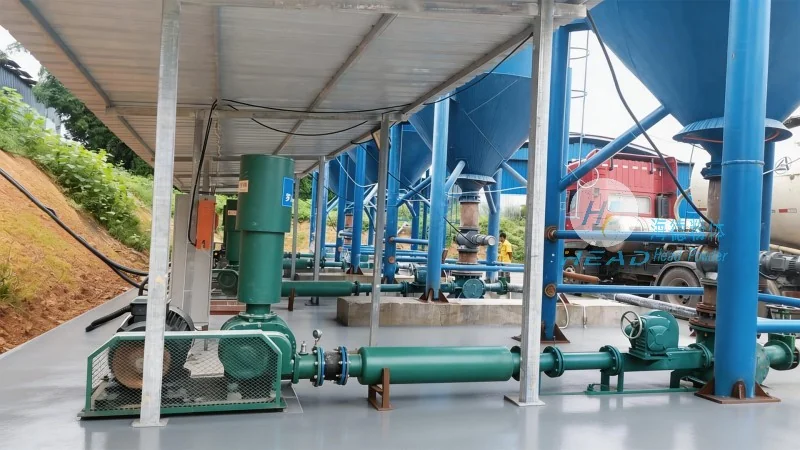
Third, energy efficiency and environmental sustainability are integrated into the design. The system utilizes energy-saving motors, optimized material flow paths, and waste reduction strategies to lower operational costs while reducing its environmental impact. Additionally, robust safety features, such as emergency stop mechanisms, collision detection sensors, and secure access controls, protect both personnel and equipment during operation. These principles collectively ensure reliable, safe, and cost-effective operation in demanding battery manufacturing environments.
Key Components and Technologies
The lithium-ion battery material handling system typically comprises several essential components that work in tandem to facilitate material transfer. These include conveyor systems like belt conveyors and roller conveyors, which serve as the primary transport backbone. Robotic arms and automated guided vehicles (AGVs) are integrated to handle complex tasks, such as picking and placing battery cells or components with high precision. Sorting and inspection systems are also critical, enabling quality control and the separation of defective or non-compliant parts before they proceed to subsequent stages.
Advanced control systems, including programmable logic controllers (PLCs) and human-machine interfaces (HMIs), manage the operation of these components, allowing real-time monitoring and dynamic adjustments to material flow. Sensors and feedback mechanisms ensure the system responds to changing production conditions, maintaining optimal performance. The integration of these technologies ensures high accuracy, minimal downtime, and enhanced productivity in battery manufacturing facilities.
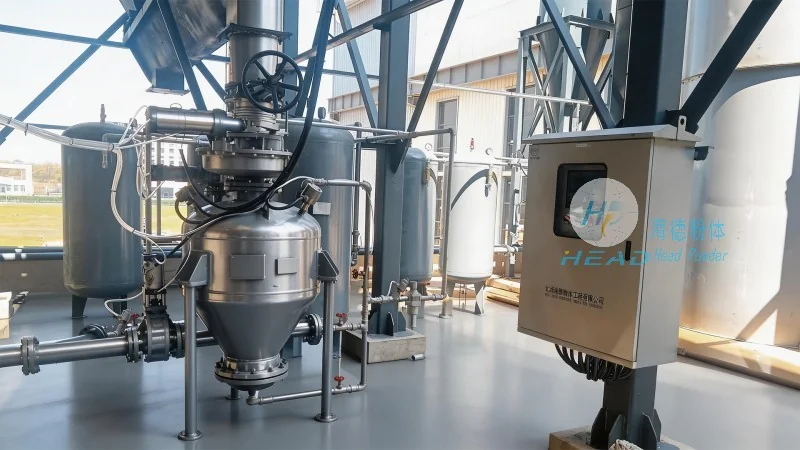
Application in Battery Manufacturing Processes
The lithium-ion battery material handling system plays a vital role across multiple stages of battery production. In the material intake phase, the system efficiently receives raw materials, such as lithium compounds, cathode and anode materials, and other components from suppliers. These materials are then transported to processing units where they undergo mixing, coating, and other transformations. The system ensures each component is delivered to the correct location at the right time, minimizing bottlenecks and delays.
During the cell assembly stage, the material handling system facilitates the precise placement of cathode and anode layers, separators, and electrolytes. Automated conveyor systems and robotic arms ensure consistent quality and alignment in each battery cell. The system also supports packaging and shipping of finished battery cells, ensuring secure transport to end-users or further processing stages.
Conclusion
In conclusion, the lithium-ion battery material handling system is a sophisticated piece of equipment that integrates advanced technologies to optimize material flow in battery manufacturing. Designed with efficiency, safety, and scalability in mind, this system is essential for modern battery production facilities. By partnering with companies like Shandong HeadPowder Engineering Co., Ltd., manufacturers can enhance operational capabilities and meet the growing demands of the battery industry. The continuous evolution of these systems will further improve production efficiency and contribute to the advancement of lithium-ion battery technology, supporting sustainable energy solutions worldwide.