

[WTTLE]Working Principle and Characteristics of Plug Flow Powder Conveying
Plug flow powder conveying is a specialized method used in the handling and transportation of bulk powders. This technology is particularly valuable in industries such as pharmaceuticals, food processing, and chemical manufacturing, where the integrity and quality of the material must be preserved during transport. The system operates by creating a series of discrete, plug-like segments of powder that move through a pipeline under controlled pressure. This approach minimizes the risk of material degradation, cross-contamination, and segregation, making it ideal for sensitive applications.
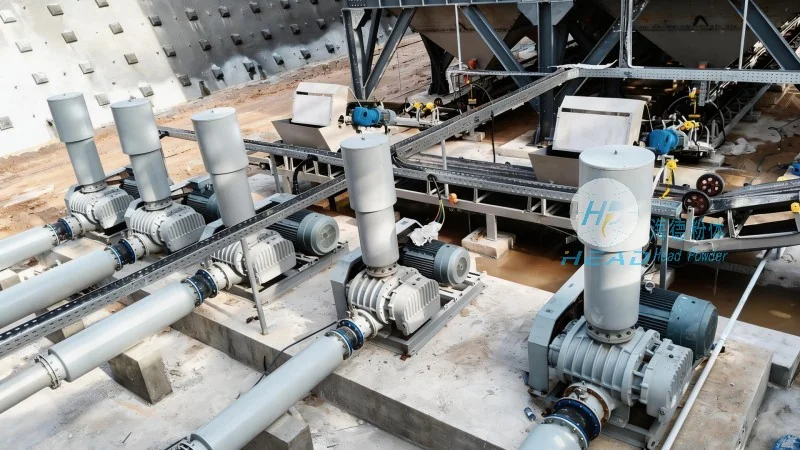
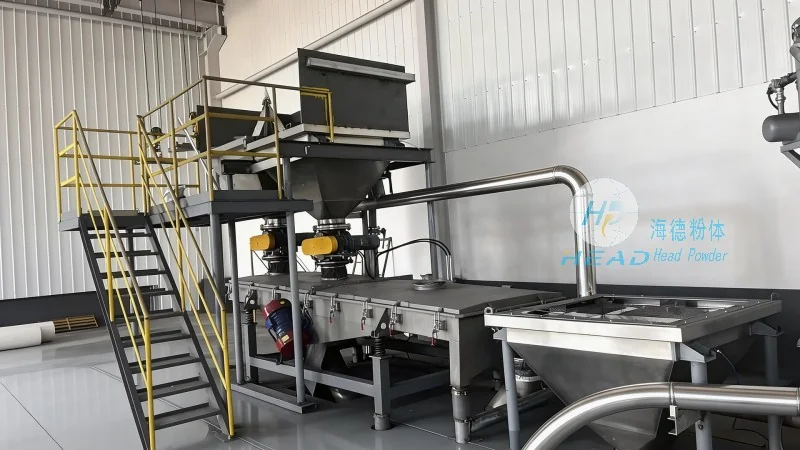
Working Principle of Plug Flow Powder Conveying
The core mechanism of plug flow powder conveying involves the generation of pressure waves that push the powder through a closed pipeline. Unlike pneumatic or mechanical conveying systems that rely on continuous flow, plug flow systems use intermittent pressure pulses to move the material. The process begins with the loading of the powder into the pipeline, where it forms a dense, solid plug. A compressor or air pump then applies pressure to the upstream end of the plug, creating a pressure wave that travels downstream. This wave pushes the plug forward, maintaining its integrity as it moves. The system typically includes a series of valves and control devices that regulate the pressure and timing of the pulses, ensuring smooth and consistent transport. The plug flow design prevents the powder from mixing with the conveying medium or from being exposed to external contaminants, which is crucial for applications requiring high purity and product safety.
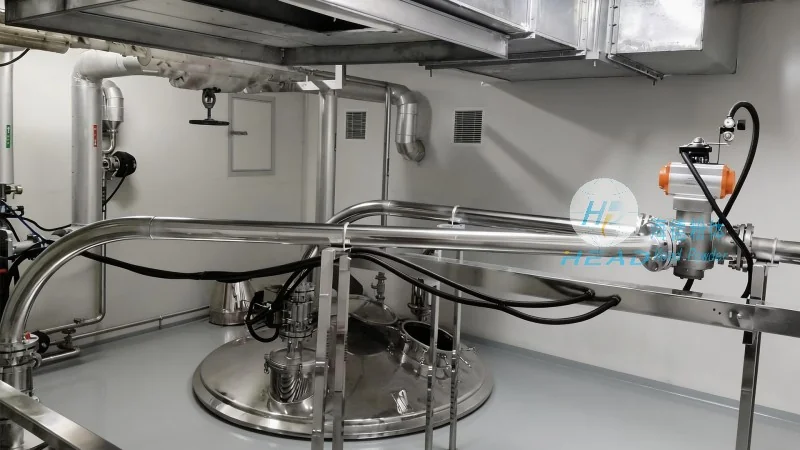
Key Characteristics of Plug Flow Powder Conveying
Several distinct characteristics define the plug flow powder conveying system, contributing to its effectiveness in various industrial settings. First, the system offers excellent material containment and protection. Since the powder is contained within a solid plug, it is isolated from the conveying air or any external environment, reducing the risk of dust emissions and cross-contamination. This feature is especially important in industries like pharmaceuticals and food processing, where product purity is non-negotiable. Second, plug flow conveying provides high efficiency and low energy consumption. By using intermittent pressure pulses rather than continuous flow, the system minimizes energy waste and reduces the need for high-pressure air or mechanical components. This results in lower operational costs and increased energy efficiency. Third, the system is highly flexible and adaptable to different powder types and pipeline configurations. It can handle a wide range of particle sizes and densities, making it suitable for diverse applications. Additionally, the plug flow design allows for precise control over the flow rate and delivery time, enabling accurate dosing and batching. Finally, plug flow conveying is relatively simple to install and maintain, with fewer moving parts compared to traditional mechanical conveying systems. This reduces maintenance requirements and operational downtime, contributing to overall system reliability.
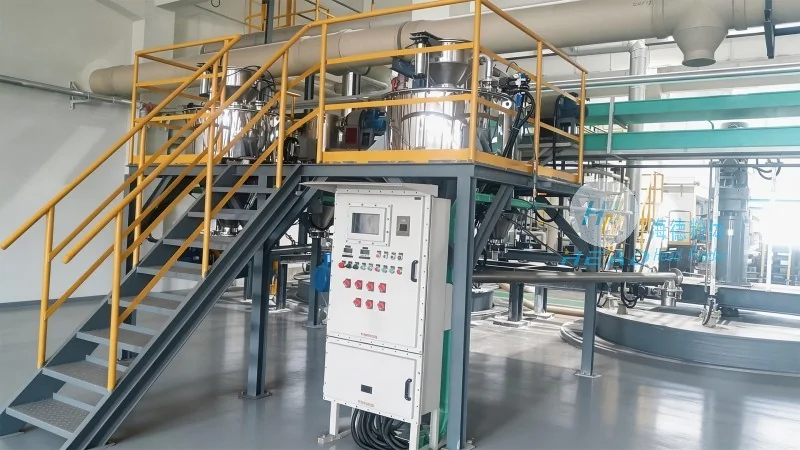
Applications and Advantages in Industrial Settings
Plug flow powder conveying is widely used in industries where the transport of bulk powders requires strict control over material quality and process consistency. In the pharmaceutical industry, for example, this technology is essential for conveying active pharmaceutical ingredients (APIs) and excipients without compromising their purity or stability. The system ensures that the powders remain intact and free from contamination, which is critical for meeting regulatory standards and ensuring patient safety. In the food processing sector, plug flow conveying is used to transport ingredients such as flour, sugar, and spices, maintaining their flavor and nutritional properties. The sealed environment of the plug flow system prevents cross-contamination with other products or environmental factors, which is vital for food safety and quality. Similarly, in the chemical manufacturing industry, plug flow conveying is employed to transport reactive powders and chemicals, minimizing the risk of accidental exposure or reaction during transport. The system's ability to handle high-pressure and high-temperature conditions makes it suitable for a variety of chemical applications. Overall, the advantages of plug flow powder conveying, including its ability to preserve material integrity, reduce energy consumption, and provide precise control, make it a preferred choice for industries that demand high standards of product quality and process reliability.