

Working Principles and Characteristics of Petrochemical Material Handling
Understanding the working principles and characteristics of petrochemical material handling is crucial for optimizing industrial processes in the chemical and petrochemical sectors. This article provides an in-depth look at the fundamental mechanisms and key attributes of systems designed to transport materials within these industries, with a focus on the expertise of Shandong HeadPowder Engineering Co., Ltd.
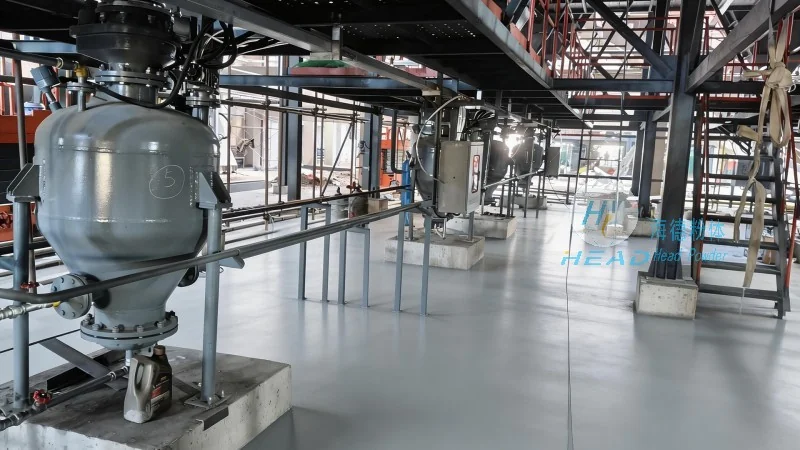
Working Principles of Petrochemical Material Handling Systems
Petrochemical material handling systems typically operate based on several core principles that ensure efficient, safe, and reliable transport of various substances. The primary working principle involves the use of specialized equipment such as conveyors, pumps, and storage tanks to move materials from one location to another. These systems are engineered to handle a wide range of materials, including liquids, gases, and solids, each requiring tailored solutions to meet specific operational demands.
Conveyor systems, for instance, are commonly used for transporting bulk solids like powders, granules, and pellets. These systems often employ mechanisms like belt conveyors, screw conveyors, or bucket elevators, which utilize mechanical energy to move materials horizontally or vertically. The design of these conveyors considers factors such as material density, flowability, and abrasiveness to ensure optimal performance and longevity. In contrast, liquid and gas handling relies on pumps and compressors, which generate pressure to move fluids through pipelines. Centrifugal pumps are widely used for transporting liquids, while positive displacement pumps are preferred for viscous or high-pressure applications. Compressors, on the other hand, are essential for moving gases, with options ranging from rotary to reciprocating designs, each suited to different pressure and flow requirements.
Storage and processing equipment also play a vital role in the overall material handling workflow. Tanks and silos are used for storing raw materials or intermediate products, while reactors and mixers facilitate chemical reactions and blending processes. The integration of these components into a cohesive system ensures a continuous flow of materials from extraction to processing and distribution. Automation and control systems further enhance operational efficiency by monitoring parameters like temperature, pressure, and flow rate, allowing for real-time adjustments to maintain optimal conditions.
Key Characteristics of Petrochemical Material Handling
The characteristics of petrochemical material handling systems are defined by several critical attributes that address the unique challenges of the industry. First and foremost, safety is a paramount concern due to the hazardous nature of many petrochemical substances. Systems are designed with robust safety features, including explosion-proof components, fire suppression systems, and emergency shutdown mechanisms, to minimize risks and protect personnel and equipment.
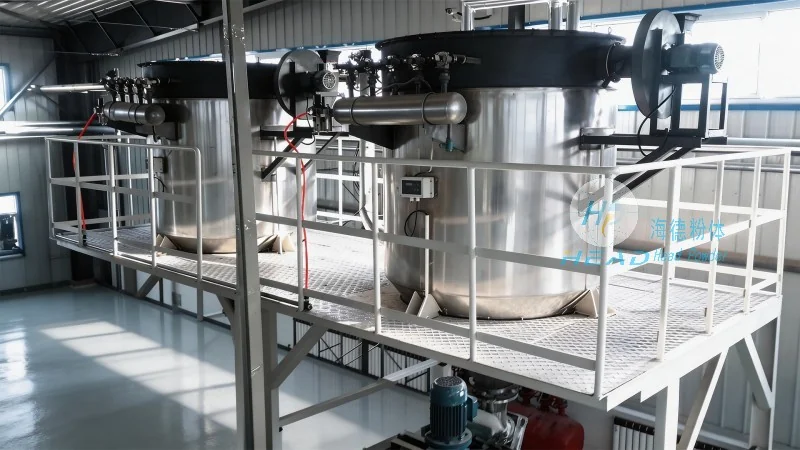
Another key characteristic is the need for high precision and accuracy in material measurement and control. Petrochemical processes often require precise dosing of chemicals to maintain product quality and consistency. This is achieved through advanced instrumentation, such as flow meters, level sensors, and pressure transducers, which provide real-time data for process control. The integration of these instruments with automation systems ensures that materials are handled with the exactness needed for complex chemical reactions and manufacturing steps.
Efficiency and reliability are also critical characteristics, as downtime in petrochemical operations can lead to significant financial losses. Systems are engineered for high throughput and minimal maintenance, with components selected for durability and resistance to corrosion and chemical attack. For example, materials like stainless steel and special alloys are commonly used in equipment to withstand harsh chemical environments. Additionally, redundancy in critical components, such as backup pumps or control systems, is often incorporated to ensure continuous operation even in the event of a failure.
Environmental considerations are another important characteristic, as petrochemical industries must comply with stringent regulations regarding emissions and waste disposal. Material handling systems are designed to minimize environmental impact by reducing leaks, controlling emissions, and optimizing energy consumption. This includes the use of closed-loop systems for liquid handling, which prevent spills and improve overall process efficiency. Furthermore, the adoption of energy-efficient equipment and process optimization techniques helps reduce the carbon footprint of petrochemical operations.
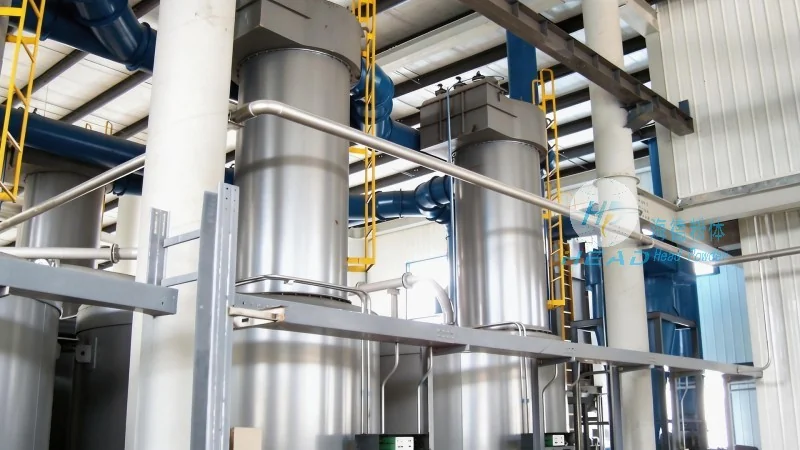
Expertise of Shandong HeadPowder Engineering Co., Ltd. in Petrochemical Material Handling
Shandong HeadPowder Engineering Co., Ltd., commonly known as HeadPowder, is a leading provider of engineering solutions for petrochemical material handling. With a strong presence in China, particularly in Shandong province, the company specializes in designing, manufacturing, and implementing customized systems tailored to the specific needs of clients in the chemical and petrochemical sectors. HeadPowder's expertise spans the entire lifecycle of material handling projects, from initial consultation and system design to installation, commissioning, and ongoing maintenance.
The company's team of experienced engineers and technicians brings deep knowledge of petrochemical processes and material properties, enabling them to develop innovative solutions that address the unique challenges faced by clients. Whether it's the design of a new conveyor system for bulk solids or the integration of advanced control systems for fluid handling, HeadPowder leverages cutting-edge technology and industry best practices to deliver high-quality, reliable solutions. The company's commitment to quality is reflected in its adherence to international standards and rigorous testing protocols, ensuring that all systems meet the highest safety and performance requirements.
HeadPowder's approach to client collaboration is another key characteristic that sets it apart. The company works closely with clients to understand their operational goals, material specifications, and budget constraints, ensuring that the final solution is not only technically sound but also economically viable. This collaborative process includes detailed feasibility studies, process simulations, and pilot testing to validate system performance before full-scale implementation. By taking a client-centric approach, HeadPowder builds long-term partnerships and delivers sustainable solutions that enhance operational efficiency and reduce costs over time.
In conclusion, the working principles and characteristics of petrochemical material handling systems are complex and multifaceted, requiring specialized expertise and engineering solutions. Shandong HeadPowder Engineering Co., Ltd. plays a vital role in this field, providing comprehensive services that address the unique needs of the petrochemical industry. Through its commitment to innovation, safety, and client satisfaction, HeadPowder continues to be a trusted partner for businesses seeking to optimize their material handling processes and achieve their operational objectives.