

[WTTLE]Working Principle and Features of Wool Material Conveying System Equipment
Wool material conveying systems are essential components in the textile and processing industries, designed to efficiently transport wool and related materials through various stages of production. Understanding the working principle and key features of such equipment is crucial for optimizing operational efficiency and maintaining product quality. This article provides a detailed overview of the mechanisms involved and the advantages offered by these systems, presented by Shandong HeadPowder Engineering Co., Ltd., a leading manufacturer based in Shandong, China.
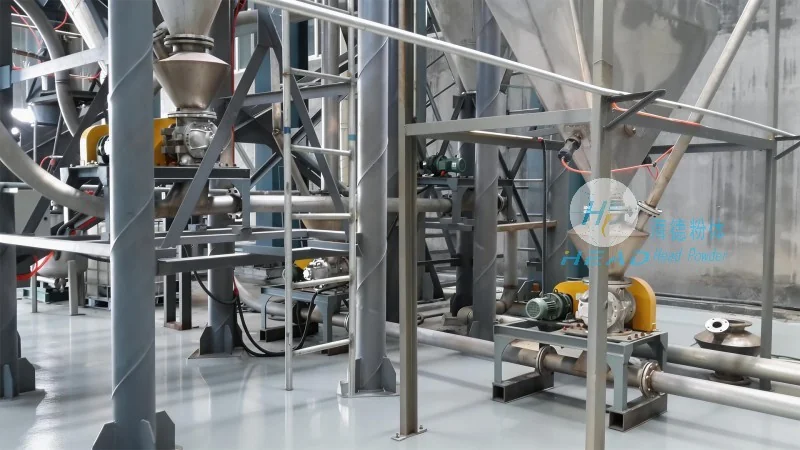
Introduction to Wool Material Conveying Systems
Wool material conveying systems are engineered to handle the unique characteristics of wool, including its soft texture, varying fiber lengths, and potential for contamination. These systems are typically integrated into larger processing lines, such as those used in wool sorting, cleaning, and carding operations. The primary goal is to ensure that wool materials are moved smoothly and consistently from one processing stage to the next, minimizing downtime and maximizing throughput. As a manufacturer specializing in industrial conveying solutions, Shandong HeadPowder Engineering Co., Ltd. has developed systems tailored to meet the specific demands of wool processing.
Working Principle of Wool Material Conveying Equipment
The working principle of wool material conveying systems revolves around the use of specialized components that can handle the delicate nature of wool fibers without causing damage. Key components include feeders, conveyors, and control mechanisms that work in tandem to move materials through the system. For instance, many systems employ a combination of mechanical and pneumatic elements to gently lift and transport wool, preventing fiber breakage or matting. The process typically begins with the wool being fed into the system, where it is then conveyed through a series of rollers, belts, or air jets. Sensors and control units monitor the flow and adjust the speed or direction as needed to maintain optimal performance. This approach ensures that the wool's natural properties are preserved while achieving efficient material transport.
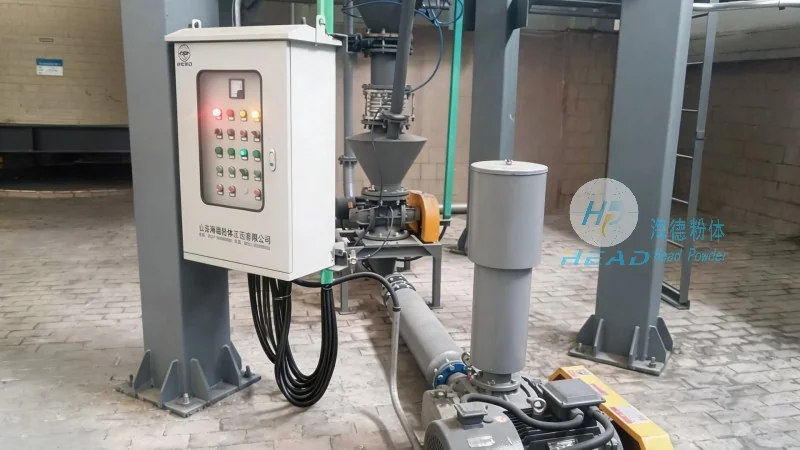
Key Features of Wool Material Conveying Systems
Several key features distinguish high-quality wool material conveying systems, making them ideal for industrial applications. One of the most important features is the ability to handle a wide range of wool types and qualities, from raw fleece to processed fibers. This versatility is achieved through adjustable settings and modular components that can be customized to meet specific processing requirements. Another critical feature is the system's efficiency in maintaining material integrity. Advanced designs incorporate gentle handling mechanisms, such as soft rollers and low-speed conveyors, which reduce the risk of fiber damage and ensure that the wool's natural properties are preserved. Additionally, the systems are designed for durability, with components made from materials like stainless steel and reinforced plastics to withstand the abrasive nature of wool fibers.
Material Handling Capabilities and Efficiency
Efficiency is a primary consideration when evaluating wool material conveying systems. These systems are designed to minimize energy consumption while maximizing throughput. For example, some models utilize variable-speed drives that adjust the conveyor speed based on the material load, ensuring optimal performance under different conditions. Additionally, the integration of sensors allows for real-time monitoring of the material flow, enabling quick adjustments to maintain consistent production rates. This level of automation not only improves efficiency but also reduces the need for manual intervention, lowering labor costs and minimizing the risk of human error. The result is a more reliable and cost-effective operation for textile manufacturers.
Maintenance and Durability Considerations
Maintenance and durability are essential factors to consider when selecting a wool material conveying system. High-quality systems are constructed from materials that can withstand the abrasive nature of wool fibers and the environmental conditions of industrial settings. Components such as rollers, belts, and housing are typically made from durable materials like stainless steel or reinforced plastics, which resist wear and tear. Regular maintenance, including cleaning and lubrication of moving parts, is recommended to ensure the system operates at peak performance. The design of these systems also facilitates easy access to internal components, making maintenance tasks more manageable and reducing downtime. This focus on durability and ease of maintenance ensures long-term reliability for businesses operating in the textile industry.
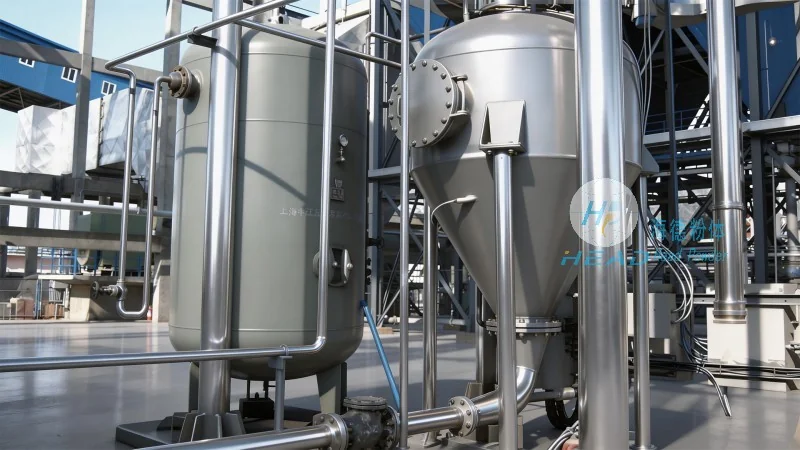
Application Examples and Industry Use Cases
Wool material conveying systems are widely used in various applications within the textile industry. In wool sorting facilities, these systems help transport raw wool from bales to sorting machines, ensuring that materials are handled gently and efficiently. In cleaning operations, the systems convey wool through washing and drying stages, maintaining the integrity of the fibers. Similarly, in carding and spinning processes, the conveyors transport processed fibers to the next stage of production. The adaptability of these systems makes them suitable for a range of applications, from small-scale operations to large industrial facilities. Companies like Shandong HeadPowder Engineering Co., Ltd. have successfully implemented these systems in facilities across China, demonstrating their effectiveness in improving production workflows.
Conclusion and Recommendations
In conclusion, wool material conveying systems are sophisticated pieces of equipment that play a vital role in the efficient processing of wool materials. Their working principles, which emphasize gentle handling and efficient material flow, combined with key features like versatility and durability, make them indispensable in modern textile operations. When selecting a system, it is important to consider factors such as material handling capacity, energy efficiency, and ease of maintenance to ensure it meets the specific needs of the application. By investing in a high-quality wool material conveying system from a reputable manufacturer like Shandong HeadPowder Engineering Co., Ltd., businesses can enhance productivity, maintain product quality, and reduce operational costs. The company's expertise in industrial conveying solutions, combined with its commitment to quality and customer satisfaction, makes it a trusted partner for textile manufacturers seeking to optimize their wool processing operations.