

Working Principle and Features of High-Temperature Fly Ash Powder Pneumatic Conveying System
High-temperature fly ash powder pneumatic conveying systems are critical components in industrial processes, particularly in power plants and cement production facilities where efficient handling of high-temperature and abrasive materials is essential. These systems are designed to transport fly ash, a byproduct of combustion processes, from collection points to storage or processing units. The technology employed in such systems ensures safe, reliable, and energy-efficient material transfer, even under challenging conditions.
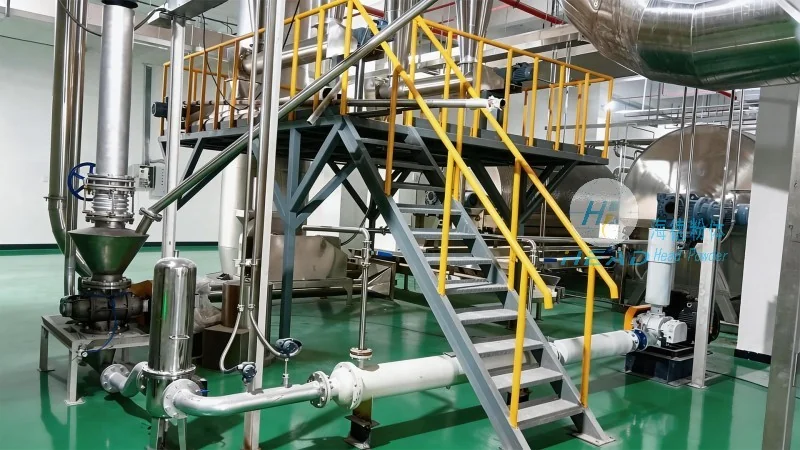
Overview of High-Temperature Fly Ash Powder Pneumatic Conveying Systems
At the core of these systems is the ability to handle high-temperature materials without compromising the integrity of the conveying equipment. The system typically consists of several key components, including a dust collector, a conveying pipeline, a blower or compressor, and a receiver or storage tank. Each component is engineered to withstand the thermal and mechanical stresses associated with fly ash, ensuring long-term operational reliability.
Working Principle of the High-Temperature Fly Ash Powder Pneumatic Conveying System
The operation of the high-temperature fly ash powder pneumatic conveying system is based on the principle of pneumatic transport, where material is moved through a pipeline using a pressurized air or gas stream. In the case of high-temperature fly ash, the system incorporates specialized materials and design features to handle elevated temperatures. The process begins with the collection of fly ash from the boiler or other combustion sources. The ash is then drawn into the conveying system by a high-pressure blower or compressor, which generates the necessary airflow to move the material through the pipeline.
As the fly ash travels through the pipeline, it is suspended in the air stream and transported to the destination point. The system may include features such as temperature control mechanisms to prevent overheating of the equipment and ensure the material remains in a manageable state. The receiving end of the system typically includes a filter or separator to remove any remaining particles from the air stream before it is released back into the environment or recirculated.
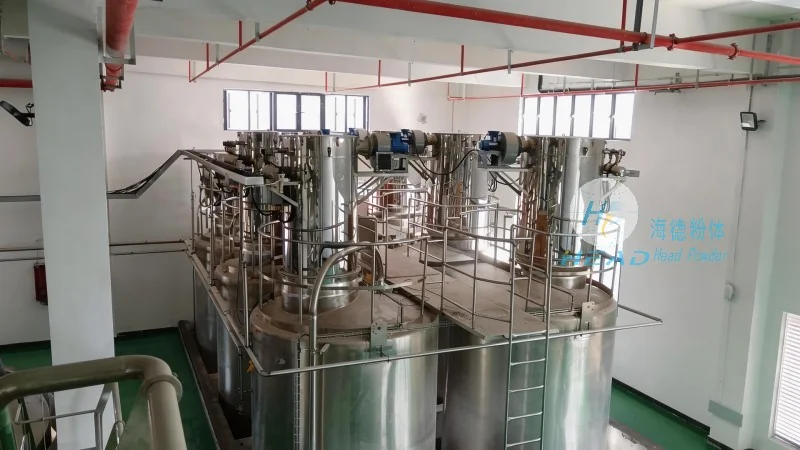
Key Features of the High-Temperature Fly Ash Powder Pneumatic Conveying System
Several distinct features make high-temperature fly ash powder pneumatic conveying systems particularly effective for their intended applications. First, the system is designed for durability and resistance to thermal and mechanical stress. Materials such as high-temperature resistant alloys and specialized coatings are used in the construction of the pipeline and components to ensure longevity under continuous operation.
Second, the system offers high efficiency in material transport. By using a pressurized air stream, the system can move large volumes of fly ash over significant distances with minimal energy consumption compared to traditional mechanical conveying methods. This efficiency is crucial for reducing operational costs and improving overall plant performance.
Third, the system provides flexibility in terms of layout and integration. The modular design allows for easy adaptation to existing plant infrastructure, and the system can be configured to handle varying flow rates and temperatures. This adaptability makes it suitable for a wide range of industrial applications, from small-scale power plants to large-scale cement production facilities.
Fourth, the system ensures environmental compliance by incorporating advanced filtration and dust control measures. The air stream is filtered to remove fine particles, preventing air pollution and ensuring that the system operates within regulatory limits. This feature is essential for maintaining a safe and sustainable industrial operation.
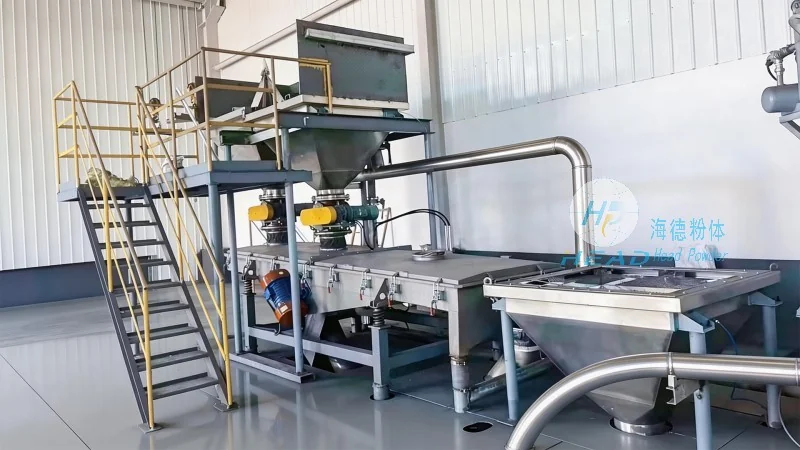
Applications and Benefits in Industrial Settings
High-temperature fly ash powder pneumatic conveying systems are widely used in the power generation and cement industries. In power plants, the system efficiently transports fly ash from the boiler to storage silos or disposal sites, reducing the need for manual handling and improving safety. In cement production, the system is used to convey fly ash as a raw material for cement production, enhancing the quality and consistency of the final product.
The benefits of using such a system extend beyond material transport. By improving the efficiency of fly ash handling, the system reduces labor costs and minimizes the risk of accidents associated with manual handling of hot and abrasive materials. Additionally, the system contributes to overall plant productivity by ensuring a steady supply of fly ash for processing, which is critical for maintaining production schedules.
Conclusion
High-temperature fly ash powder pneumatic conveying systems represent a sophisticated solution for the efficient and safe handling of high-temperature materials in industrial settings. The combination of advanced engineering, durable materials, and efficient operation makes these systems a preferred choice for power plants and cement manufacturers. By understanding the working principle and key features of such systems, industrial operators can make informed decisions to enhance their operational efficiency and environmental compliance.