

Working Principle and Features of a Pneumatic Conveyor for Quicklime Powder Material
For industrial applications involving the handling of quicklime powder, efficient and reliable material transport is crucial. A pneumatic conveyor system designed specifically for quicklime powder offers a solution that combines performance with durability. This article explores the working principle and key features of such a pneumatic conveyor, highlighting how it addresses the unique challenges of transporting this type of material.
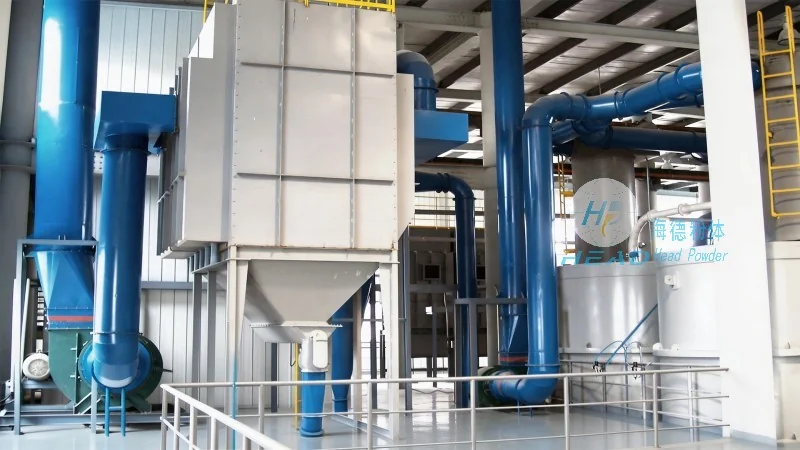
Introduction to Quicklime Powder Pneumatic Conveyors
Quicklime, also known as calcium oxide (CaO), is a widely used industrial material in processes like flue gas desulfurization, water treatment, and steel production. Handling quicklime powder requires equipment that can manage its fine particle size and potential reactivity. A pneumatic conveyor for quicklime powder is engineered to handle these characteristics effectively, ensuring safe and efficient material transfer from source to destination.
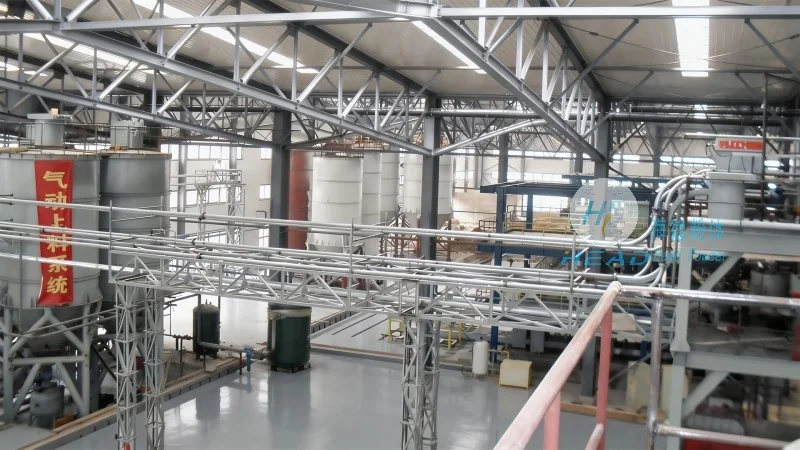
Working Principle of the Pneumatic Conveyor
The core of a pneumatic conveyor for quicklime powder is its air-driven mechanism. The system operates by using compressed air to create a flow that propels the powder through a pipeline. The working principle involves several key components and steps:
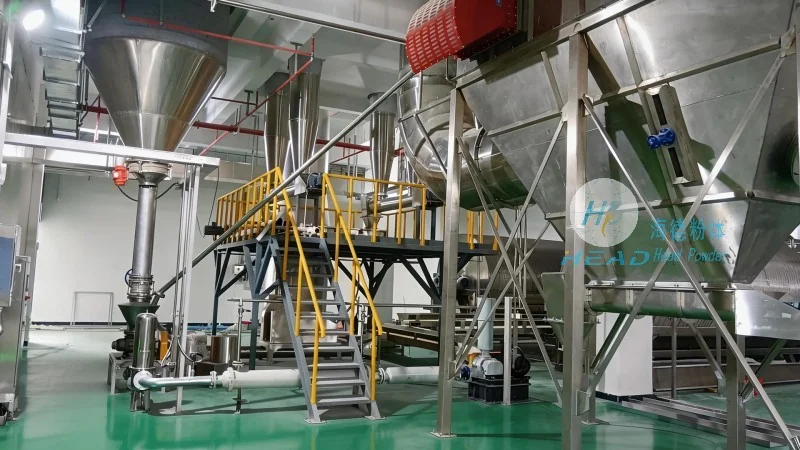
- Feeding System: The quicklime powder is fed into the conveyor via a hopper or feeder. This component ensures a consistent and controlled flow of material into the system.
- Air Supply: Compressed air is supplied to the conveyor, typically from an air compressor. The air pressure and flow rate are critical parameters that determine the conveying capacity and distance.
- Conveying Pipeline: The powder is carried through a pipeline by the air stream. The design of the pipeline, including bends and elbows, is optimized to minimize pressure loss and prevent material buildup or blockages.
- Discharge System: At the receiving end, the air and powder mixture is separated. The powder is discharged into a collection bin or container, while the air is either filtered and recirculated or vented to the atmosphere.
Key Features of the Pneumatic Conveyor
When selecting a pneumatic conveyor for quicklime powder, several features are essential to ensure optimal performance and longevity. These features are tailored to the specific properties of quicklime and the demands of industrial applications:
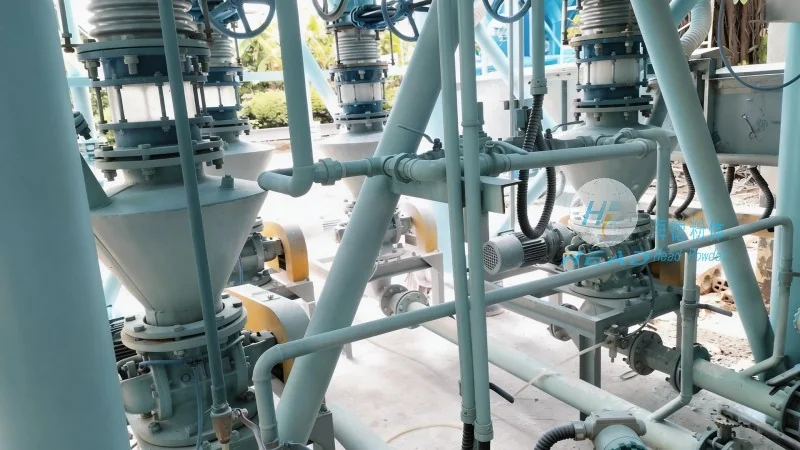
- Material Compatibility: The conveyor components are constructed from materials that are resistant to the chemical properties of quicklime, such as corrosion-resistant steel or specialized coatings. This prevents degradation and ensures the system’s integrity over time.
- Low Maintenance Design: The design incorporates features that reduce maintenance requirements, such as easy access to internal parts for cleaning and inspection. This minimizes downtime and operational costs.
- Energy Efficiency: Advanced air management systems help optimize energy consumption by using the minimum necessary air pressure and flow rate for the conveying task. This contributes to lower operational costs and environmental impact.
- Safety Features: The system includes safety mechanisms to prevent overpressure, blockages, and other hazards. These features protect both the equipment and personnel operating the conveyor.
Benefits of Using a Pneumatic Conveyor for Quicklime Powder
Implementing a pneumatic conveyor for quicklime powder offers several advantages over traditional conveying methods. These benefits enhance operational efficiency and safety in industrial settings: