

Working Principle and Features of Glass Fiber Material Pneumatic Conveying Equipment
HeadPowder, a leading manufacturer based in Shandong, China, specializes in the design and production of advanced pneumatic conveying systems tailored for handling glass fiber materials. This article delves into the fundamental working principle and key characteristics of such equipment, providing a comprehensive overview for industry professionals seeking reliable solutions for material transport.
Working Principle of Glass Fiber Pneumatic Conveying Systems
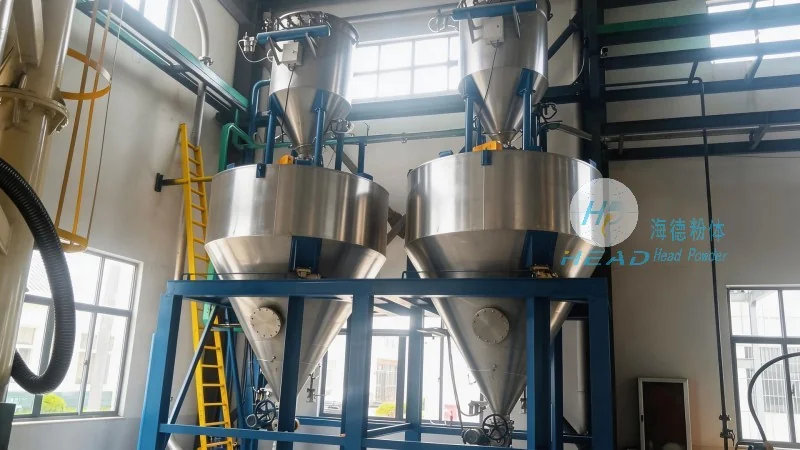
Glass fiber material pneumatic conveying equipment operates on the principle of using air or gas as the conveying medium to transport bulk materials. The system typically consists of a feeding device, a conveying pipeline, a control system, and a discharge unit. The process begins with the material being fed into the system, where it is then accelerated by the air flow within the pipeline. This air flow, often generated by a positive displacement blower or a rotary lobe pump, creates a pressure differential that propels the glass fiber particles through the system. The design of the conveying line, including the use of bends, expansion joints, and filter units, is crucial for maintaining the efficiency and preventing material degradation or blockages. The control system ensures the smooth operation by regulating the air pressure and flow rate, adapting to the varying characteristics of glass fiber, such as its lightweight and abrasive nature.
Key Features of Glass Fiber Pneumatic Conveying Equipment
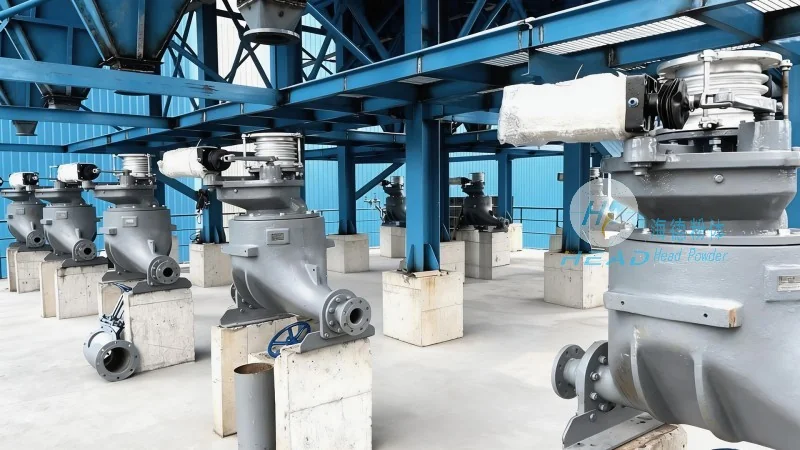
HeadPowder's glass fiber pneumatic conveying systems are engineered with several distinctive features that enhance performance and reliability. Firstly, the equipment is designed to handle the unique properties of glass fiber, including its low bulk density and high abrasiveness. The use of corrosion-resistant materials, such as stainless steel or special coatings, protects the system from wear and chemical reactions, ensuring long-term durability. Secondly, the system incorporates advanced filtration and separation mechanisms to prevent glass fiber particles from clogging the pipelines and to maintain the purity of the conveyed material. This is critical for applications where contamination could affect the final product quality. Thirdly, the conveying velocity and pressure can be precisely controlled, allowing for flexible and efficient transport over varying distances and heights. The equipment also features easy maintenance and cleaning capabilities, with quick-release components and accessible filter units that simplify routine upkeep. Additionally, the design minimizes material degradation by reducing friction and impact during transport, preserving the integrity of the glass fiber for downstream processing.
Applications and Benefits
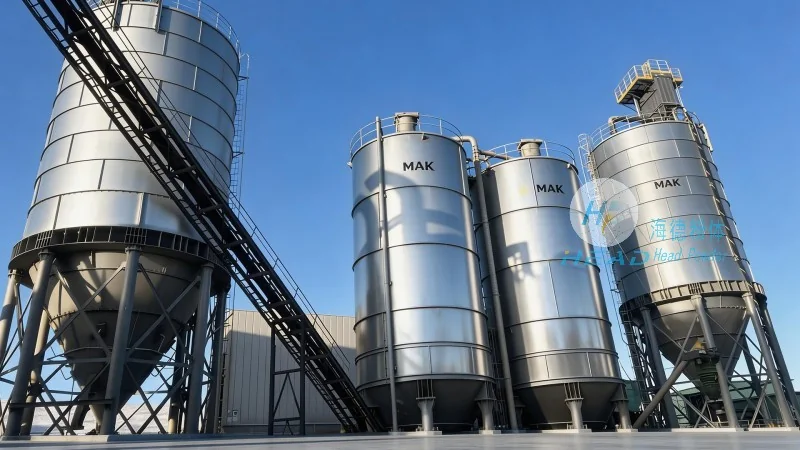
Glass fiber material pneumatic conveying equipment from HeadPowder is widely used in various industrial applications, including the manufacturing of composites, insulation materials, and filtration products. The primary benefits of using such systems include improved process efficiency, reduced labor costs, and enhanced safety compared to traditional mechanical conveying methods. The equipment allows for continuous and automated material transport, minimizing the risk of dust exposure and workplace accidents. Furthermore, the ability to handle glass fiber in a closed system ensures environmental compliance and product quality consistency. The systems are also scalable, capable of accommodating different production volumes and material types, making them suitable for both small-scale and large-scale operations.
Conclusion
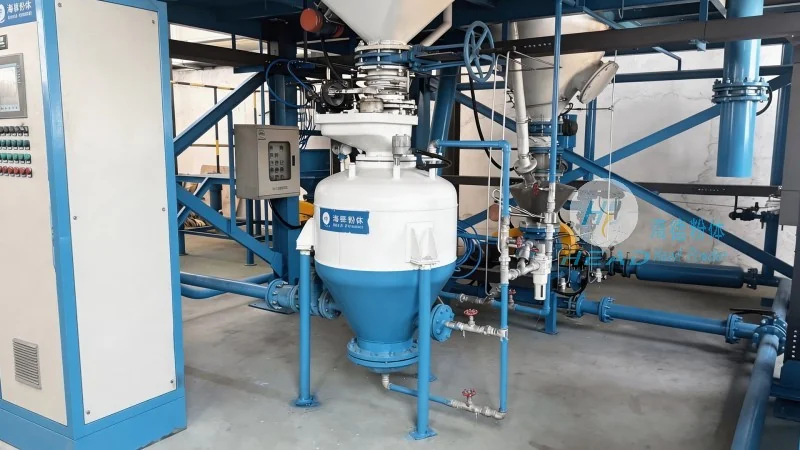
HeadPowder Engineering Co., Ltd., located in Shandong, China, offers high-quality glass fiber material pneumatic conveying equipment that combines advanced technology with robust design. By understanding the working principle and key features of these systems, industries can make informed decisions to enhance their material handling processes. The equipment's efficiency, reliability, and adaptability make it an essential component for modern manufacturing, ensuring smooth and safe transport of glass fiber materials while maintaining product integrity and operational excellence.