

Principle and Working Scene Characteristics of Reduction Iron Powder Pneumatic Conveying Systems
HeadPowder, a leading enterprise in the field of powder handling technology, specializes in the design, manufacturing, and application of advanced pneumatic conveying systems for reduction iron powder. This article delves into the fundamental principles of such systems and highlights the key characteristics of their operational environments, providing a comprehensive overview for industry professionals and potential clients.
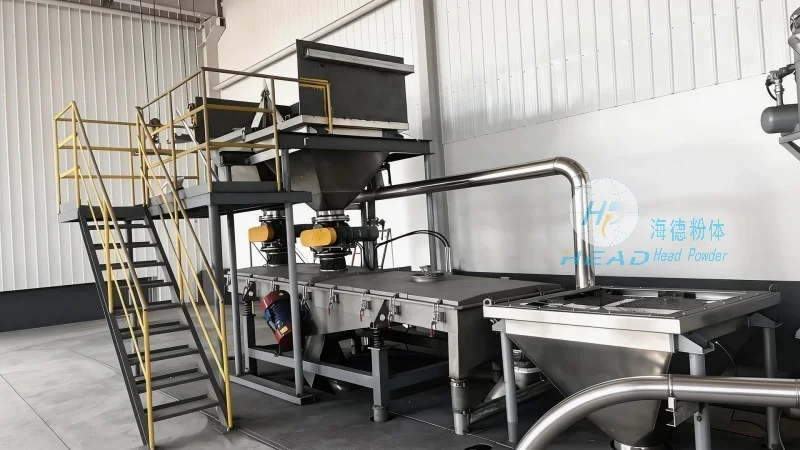
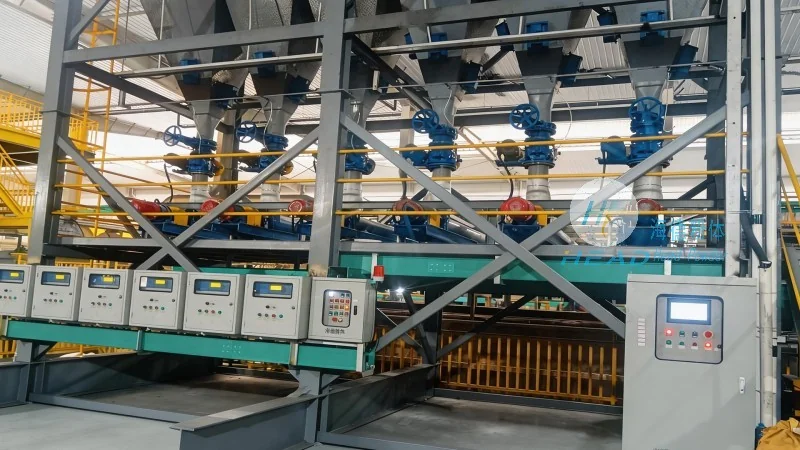
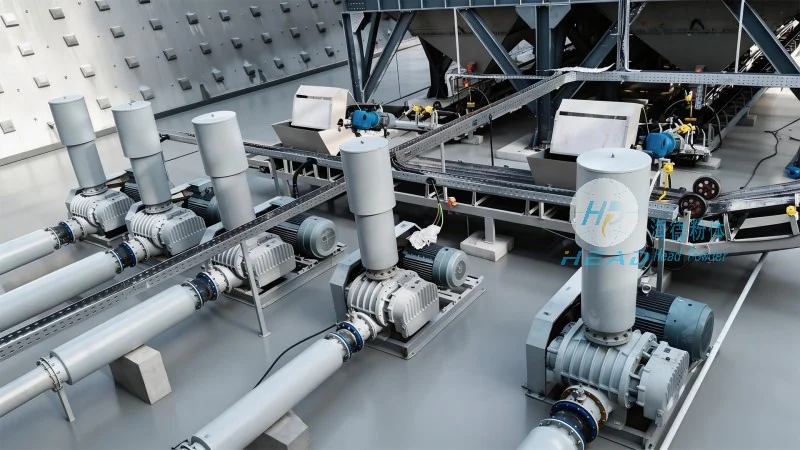
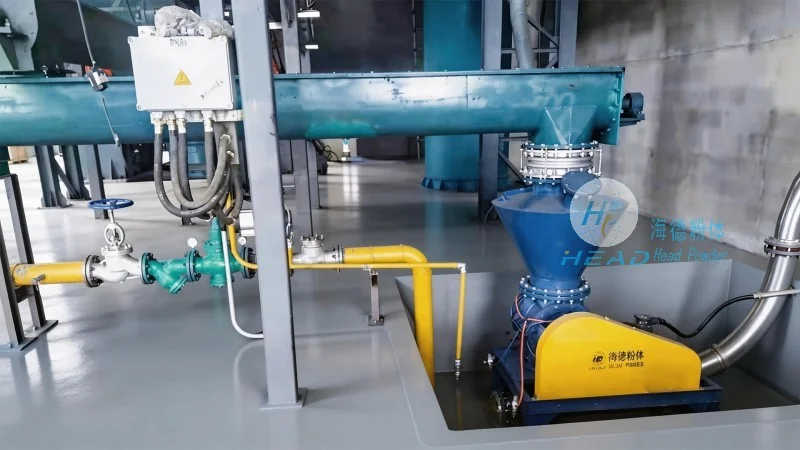
Understanding the Core Principles of Pneumatic Conveying for Reduction Iron Powder
The pneumatic conveying system for reduction iron powder operates on the principle of transporting bulk materials through a pipeline using a gas stream, typically air or a mixture of air and gases. In the context of reduction iron powder—an essential raw material in steelmaking and other industrial processes—the system must ensure efficient, reliable, and safe material transport from storage to processing units. The system's design incorporates several critical components: a material feeder (often a rotary valve or screw feeder) for accurate metering, a conveying pipeline (usually made of corrosion-resistant materials like stainless steel or specialized alloys to withstand abrasive powder), a gas source (such as a blower or compressor) to provide the necessary pressure and flow, and a control system to monitor and adjust material and gas flow rates. This control system is vital for maintaining optimal conveying conditions, preventing blockages or uneven flow, and ensuring consistent performance.
Key Working Scene Characteristics of Reduction Iron Powder Pneumatic Conveying Systems
The operational environments for reduction iron powder pneumatic conveying systems vary significantly based on industrial applications. These systems are predominantly used in steel mills, where reduction iron powder is fed into blast furnaces or downstream processing equipment. The working scene is characterized by high material throughput, often requiring continuous operation to meet production demands. Systems must also accommodate varying particle sizes and moisture content in the reduction iron powder, which can impact conveying efficiency. Additionally, strict safety and environmental regulations govern these systems due to the powder's combustible nature and potential dust dispersion. The working scene typically involves integration with other industrial processes, such as material storage silos, mixing equipment, and downstream units, requiring seamless coordination for smooth material flow. Systems are usually installed in enclosed or semi-enclosed areas to minimize dust and comply with occupational health standards. Regular maintenance and monitoring are essential for long-term reliability, as downtime in the material supply chain can disrupt production schedules.