

Principles and Application Scenarios of Light-Weight Calcium Carbonate Pneumatic Conveying Systems
Light-weight calcium carbonate (LCC) is a widely used industrial material, often utilized in applications such as papermaking, plastics, and coatings. The efficient and reliable transportation of LCC from storage to processing units is crucial for maintaining production efficiency and product quality. Pneumatic conveying systems offer a solution to this challenge, providing a dust-free, low-maintenance method for material handling. This article explores the principles behind light-weight calcium carbonate pneumatic conveying systems and highlights key application scenarios where these systems excel.
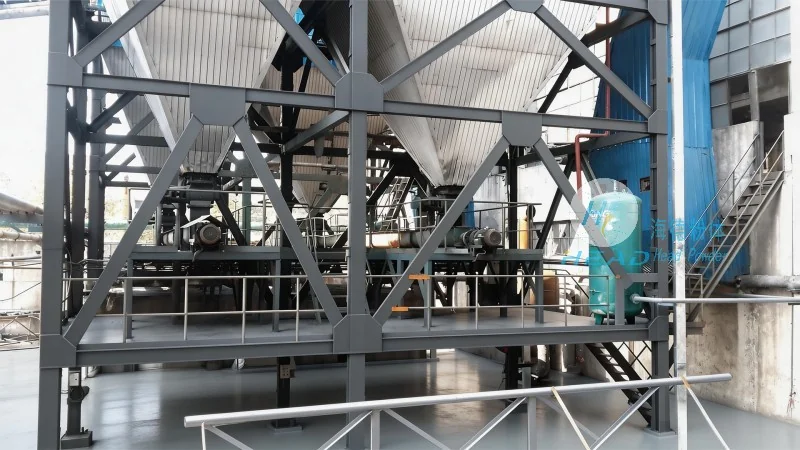
The Working Principle of Pneumatic Conveying Systems
At the core of a pneumatic conveying system is the use of air or gas to transport solid materials through a pipeline. For light-weight calcium carbonate, which has a relatively low bulk density, specialized systems are required to ensure effective and stable transport. The system typically consists of several key components: a material feed hopper, a rotary airlock valve, a conveying line, and a receiver or collection unit. The process begins with the material being fed into the hopper from a storage silo. The rotary airlock valve controls the flow of material into the conveying line, preventing backflow and ensuring a consistent feed rate. Compressed air is then introduced into the conveying line, creating a pressure differential that propels the material forward. The air and material mixture travels through the pipeline, with the air providing the necessary kinetic energy to move the light-weight particles. The receiver at the end of the line collects the material, while the air is typically filtered and recycled back into the system to maintain efficiency.
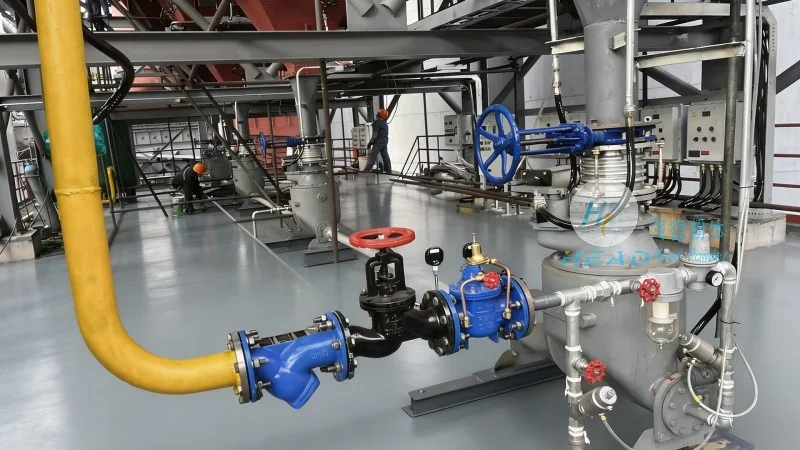
Key Features and Advantages of Light-Weight Calcium Carbonate Pneumatic Conveying
Light-weight calcium carbonate pneumatic conveying systems offer several advantages over traditional mechanical conveying methods. One of the primary benefits is the elimination of dust and contamination, which is critical for maintaining product purity in applications like paper and plastic manufacturing. The system also reduces the need for manual handling and labor, as the material is transported automatically from storage to processing units. Additionally, pneumatic conveying systems are more compact and can be integrated into existing production facilities with minimal disruption. The low maintenance requirements and long service life of these systems further contribute to their cost-effectiveness, making them an attractive option for industrial applications.
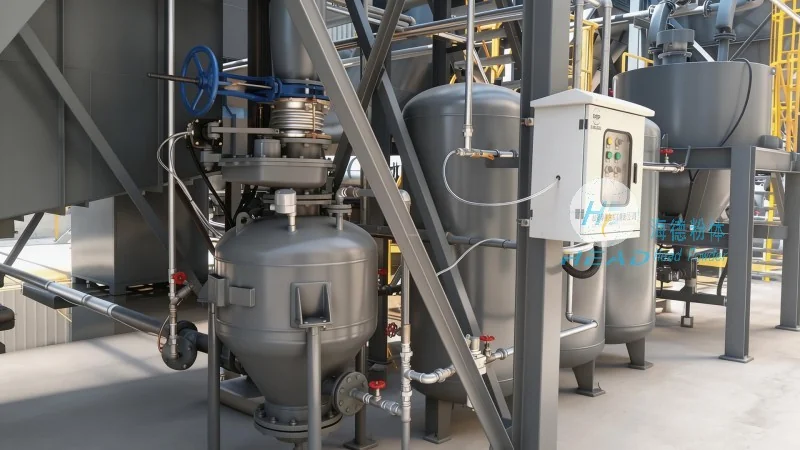
Application Scenarios and Industry Use Cases
Light-weight calcium carbonate pneumatic conveying systems are widely used in various industries due to their adaptability and efficiency. In the paper industry, these systems are commonly employed to transport calcium carbonate filler into paper machines, where it is used to improve paper strength and whiteness. The systems ensure a consistent and controlled feed of the material, which is essential for maintaining uniform paper quality. In the plastics industry, LCC is used as a filler to enhance the mechanical properties of plastic products. Pneumatic conveying systems efficiently transport the LCC from storage to extrusion lines, ensuring a stable supply of material for production. The food and pharmaceutical industries also benefit from these systems, as they provide a hygienic and dust-free method for handling calcium carbonate, which is used as an ingredient in various products. Additionally, in the coatings and paints industry, LCC is used as a pigment and filler, and pneumatic conveying systems ensure that the material is delivered to production lines without contamination or loss.
Company Overview: Shandong HeadPowder Engineering Co., Ltd.
Shandong HeadPowder Engineering Co., Ltd., operating under the brand name headpowder, specializes in the design, manufacturing, and installation of industrial conveying systems, including light-weight calcium carbonate pneumatic conveying solutions. With a focus on innovation and customer satisfaction, the company has established itself as a leading provider of material handling equipment in the industry. HeadPowder's team of engineers and technicians work closely with clients to understand their specific needs and develop customized solutions that meet their production requirements. The company's facilities are equipped with advanced technology and quality control measures to ensure that all products meet or exceed industry standards. HeadPowder's commitment to excellence and reliability has earned the trust of clients worldwide, making it a preferred choice for businesses seeking efficient and reliable material handling solutions.
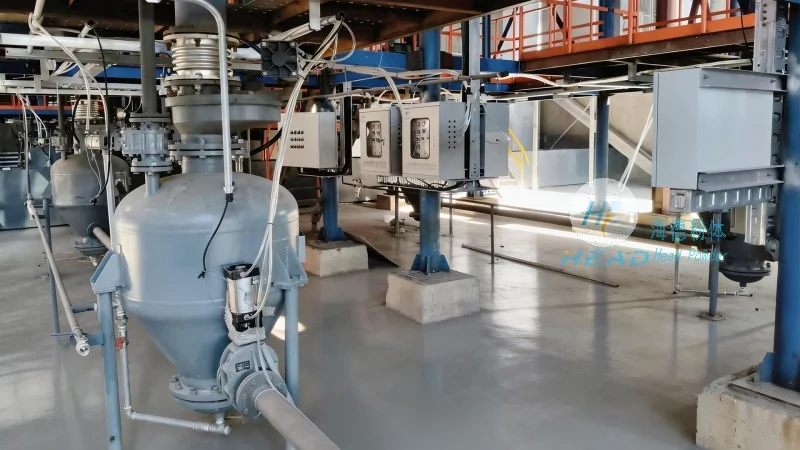
Conclusion and Future Trends
Light-weight calcium carbonate pneumatic conveying systems continue to play a vital role in modern industrial operations, offering a reliable and efficient method for material transport. As industries continue to demand higher quality and consistency in their products, the importance of advanced material handling systems will only increase. Companies like Shandong HeadPowder Engineering Co., Ltd. are at the forefront of developing and implementing these systems, ensuring that businesses can meet their production goals while maintaining product quality and operational efficiency. The future of pneumatic conveying systems for light-weight calcium carbonate looks promising, with ongoing advancements in technology and design that will further enhance their performance and capabilities.