

Principle and Working Scene Characteristics of Ammonium Nitrate Pneumatic Conveying Equipment
Ammonium nitrate (AN) is a widely used chemical compound in various industrial applications, including fertilizer production, explosives manufacturing, and chemical processing. The efficient and safe handling of AN is crucial due to its sensitivity and potential hazards. Pneumatic conveying systems have emerged as a reliable solution for transporting AN in bulk, offering advantages such as low maintenance, minimal product contamination, and the ability to handle abrasive materials. This article explores the fundamental principles of pneumatic conveying equipment for ammonium nitrate and highlights the key characteristics of its working environments.
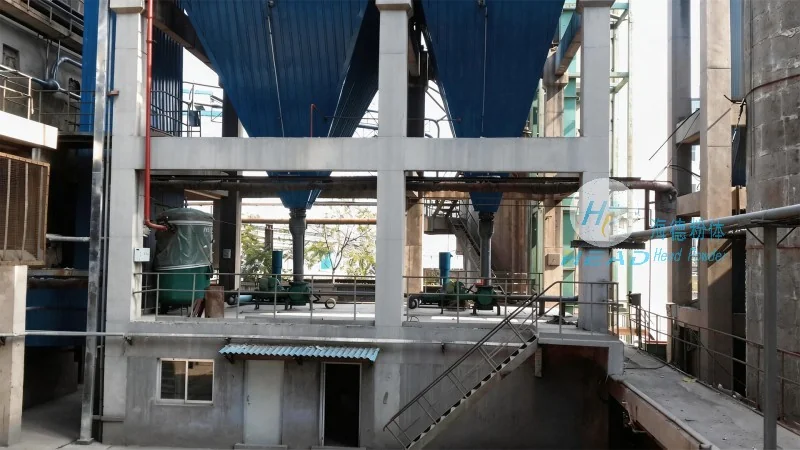
Principle of Pneumatic Conveying for Ammonium Nitrate
The core principle of pneumatic conveying involves the use of air or other gases to transport solid materials through a pipeline. In the case of ammonium nitrate, the system typically operates under positive pressure, where air is forced through the pipeline to move the material. The equipment consists of several key components, including a hopper for material storage, a rotary valve for controlled discharge, a conveyor line (often with multiple sections), and a dust collector or filter system to capture fine particles. The process begins with the material being fed into the hopper, where it is then discharged into the conveyor line via the rotary valve. As the air flows through the line at a high velocity, it creates a low-pressure zone that pulls the ammonium nitrate particles along, ensuring a continuous and controlled flow. The system is designed to maintain a consistent air velocity to prevent material settling or blockages, which could lead to system failures or safety hazards. The use of positive pressure systems is preferred for ammonium nitrate due to its sensitivity to moisture and the need to prevent dust explosions, as the equipment can be sealed and operated under controlled conditions.
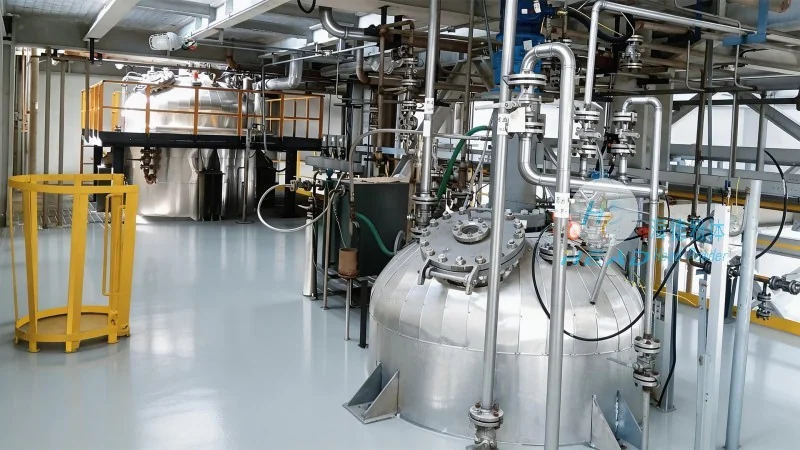
Working Scene Characteristics of Ammonium Nitrate Pneumatic Conveying Equipment
The working environments for ammonium nitrate pneumatic conveying systems are tailored to meet the specific demands of industrial applications. These systems are commonly found in fertilizer plants, chemical manufacturing facilities, and bulk material handling operations. The key characteristics of these working scenes include:
- Industrial Settings: The equipment is typically installed in large-scale production facilities where bulk handling of ammonium nitrate is required. These environments often involve high throughput rates, with systems capable of transporting several tons of material per hour. The design of the conveyor lines and components is optimized for durability and resistance to corrosion, as ammonium nitrate can be corrosive to certain materials under certain conditions.
- Process Integration: Pneumatic conveying systems are often integrated into larger production lines, connecting storage silos, processing units, and packaging equipment. This integration allows for seamless material flow from raw material storage to final product packaging, reducing manual handling and improving operational efficiency. The systems are designed to be compatible with existing infrastructure, minimizing the need for extensive modifications to the facility.
- Safety and Compliance: Given the hazardous nature of ammonium nitrate, the working scenes emphasize strict adherence to safety regulations and industry standards. The equipment is equipped with safety features such as explosion-proof motors, dust suppression systems, and pressure relief valves to mitigate risks. Regular maintenance and inspections are conducted to ensure the system operates within safe parameters, and personnel are trained to handle potential emergencies. The working environments are also designed to minimize dust exposure, with enclosed systems and filtration to protect both equipment and personnel.
- Environmental Considerations: Modern pneumatic conveying systems for ammonium nitrate are designed with environmental sustainability in mind. The use of energy-efficient air compressors and optimized air flow reduces energy consumption, contributing to lower operational costs and reduced carbon footprint. The dust collection systems are designed to capture and recycle fine particles, preventing environmental contamination and ensuring compliance with environmental regulations. The working scenes also prioritize waste management, with proper disposal of any byproducts or waste materials generated during the conveying process.
Applications and Benefits in Industrial Operations
The application of ammonium nitrate pneumatic conveying equipment in industrial operations brings several benefits that enhance overall productivity and safety. The primary advantages include:
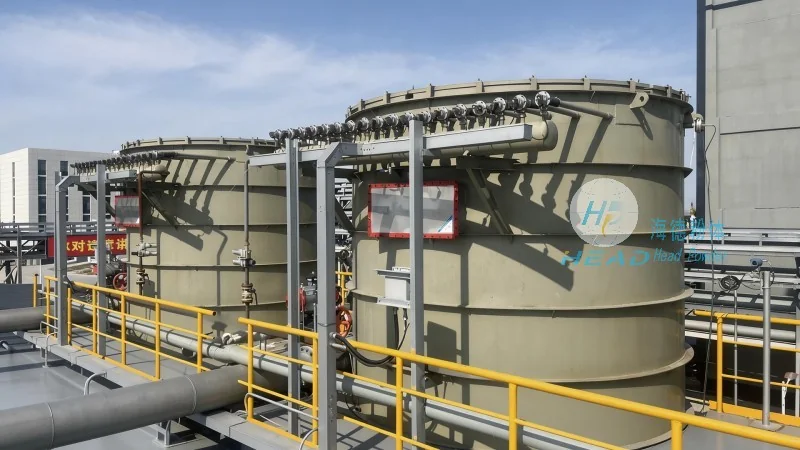
- Efficient Material Transport: Pneumatic conveying systems offer high throughput rates, allowing for the rapid and continuous transport of ammonium nitrate from storage to processing units. This efficiency reduces downtime and increases production capacity, making it ideal for high-volume operations.
- Reduced Labor and Manual Handling: By automating the material transport process, the systems minimize the need for manual handling, which can be hazardous when dealing with bulk materials like ammonium nitrate. This reduces the risk of accidents and improves workplace safety.
- Low Maintenance and Longevity: The equipment is designed with durable components that can withstand the abrasive nature of ammonium nitrate. The use of positive pressure systems and proper maintenance reduces the likelihood of system failures, resulting in lower maintenance costs and longer equipment lifespan.
- Flexibility and Scalability: Pneumatic conveying systems can be customized to meet the specific needs of different industrial applications. They can be scaled up or down to accommodate varying production volumes and can be integrated with other equipment to create a comprehensive material handling solution.
Conclusion
Ammonium nitrate pneumatic conveying equipment is a critical component in modern industrial operations, providing an efficient, safe, and reliable method for handling bulk ammonium nitrate. The principles of pneumatic conveying, combined with the specific characteristics of working environments, ensure that these systems meet the demands of various applications. As industrial processes continue to evolve, the importance of advanced material handling solutions like pneumatic conveying will only grow, making it essential for companies to invest in high-quality equipment from reputable manufacturers like Shandong HeadPowder Engineering Co., Ltd., based in China.