

Principle and Working Scene Characteristics of Calcium Oxide Pneumatic Conveying Equipment
Shandong HeadPowder Engineering Co., Ltd., commonly known as headpowder, is a professional manufacturer based in Shandong, China, specializing in the design and production of industrial pneumatic conveying equipment. The company focuses on providing efficient and reliable solutions for the transportation of calcium oxide and other bulk materials in various industrial applications.
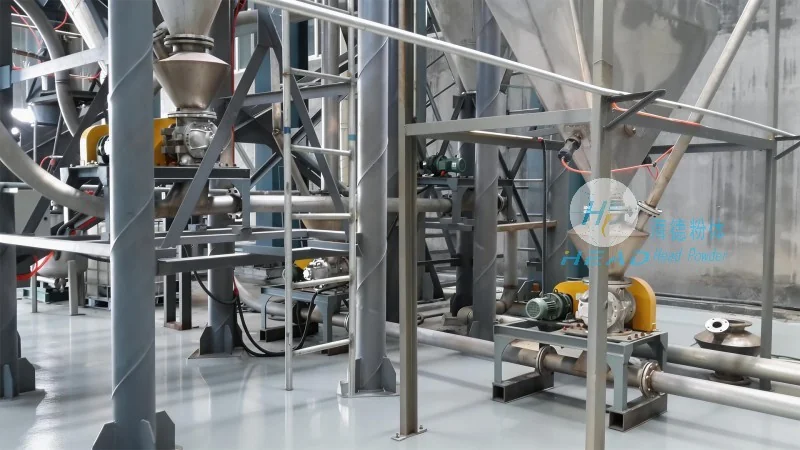
Principle of Pneumatic Conveying for Calcium Oxide
Pneumatic conveying equipment operates by using air or gas to transport bulk materials through a pipeline system. For calcium oxide, which is often in powder or fine granular form, the choice of conveying method—whether positive pressure, negative pressure, or a combination—depends on factors such as material properties, required distance, and system complexity. Positive pressure systems use a blower to push air and material through the pipeline, while negative pressure systems use a vacuum to draw material into the system. In the case of calcium oxide, which has a relatively high density and can be abrasive, the equipment must be designed to handle these characteristics without causing excessive wear or blockages. The system typically includes components like a hopper, feeder, conveying line, and receiver, all working in tandem to ensure smooth material flow.
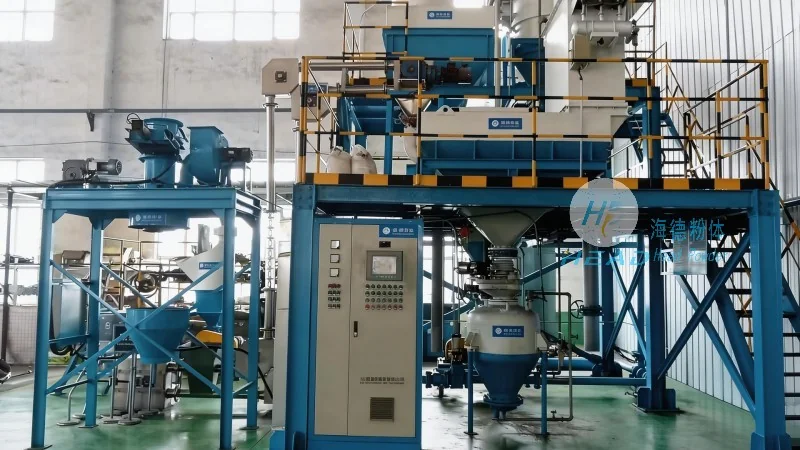
Key Working Scene Characteristics
The working scene characteristics of calcium oxide pneumatic conveying equipment are tailored to meet the demands of specific industrial environments. For instance, in chemical production facilities, the equipment must be able to handle the material's reactivity and potential dust generation, ensuring safety and compliance with environmental regulations. In construction material processing plants, the focus is on high throughput and durability, as calcium oxide is often used in large quantities for applications like cement production or soil stabilization. The equipment's design also considers factors like space constraints and integration with existing production lines, making it adaptable to different plant layouts. Additionally, the system's ability to maintain consistent material flow and minimize downtime is critical, as any interruptions can impact production efficiency and cost.
Application-Specific Features and Advantages
When applied in real-world scenarios, calcium oxide pneumatic conveying equipment from headpowder exhibits several key advantages. The equipment is engineered to handle the unique properties of calcium oxide, including its fine particle size and potential for caking, by incorporating features such as adjustable feed rates and anti-clogging mechanisms. This ensures that the material is conveyed efficiently without the risk of blockages or system failures. Furthermore, the system's energy efficiency is optimized through the use of high-performance blowers and efficient pipeline designs, reducing operational costs for the end-user. The durability of the equipment, with components made from corrosion-resistant materials, is another significant advantage, as it can withstand the harsh conditions often encountered in industrial settings. These features collectively contribute to the equipment's reliability and long-term performance, making it a preferred choice for businesses operating in the calcium oxide industry.
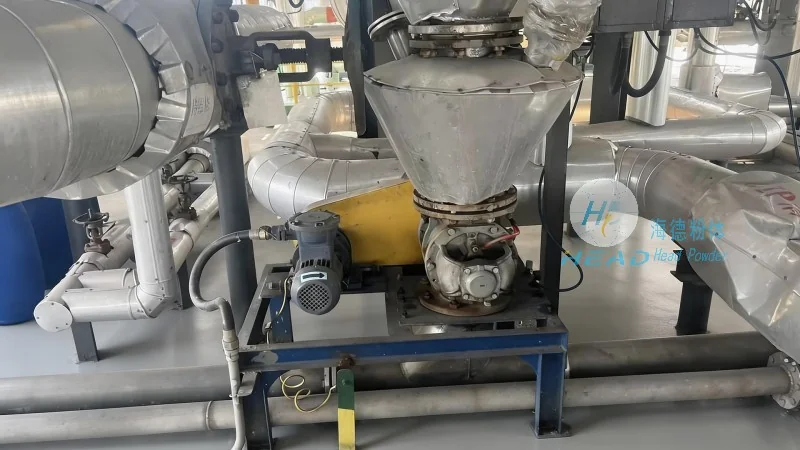
Conclusion on Working Scene Adaptability
In summary, the pneumatic conveying equipment for calcium oxide developed by Shandong HeadPowder Engineering Co., Ltd. combines advanced engineering principles with practical application considerations. By addressing the specific challenges of calcium oxide's physical and chemical properties, the equipment is designed to operate effectively in diverse working environments. Whether in a chemical plant, construction facility, or other industrial setting, the system's ability to deliver consistent, reliable performance makes it an essential component of modern material handling operations. The company's commitment to quality and innovation ensures that their equipment meets the evolving needs of the industry, providing customers with a robust solution for their calcium oxide transportation requirements.