

Principle and Working Scene Characteristics of Resin Powder Pneumatic Conveying Lines
Resin powder pneumatic conveying lines represent a sophisticated method for transporting resin powders in industrial settings. This technology is crucial for industries that rely on the efficient and safe movement of bulk materials, such as resin powders, which are often used in manufacturing processes. The system combines pneumatic principles with mechanical components to achieve seamless material transfer, minimizing manual handling and associated risks.
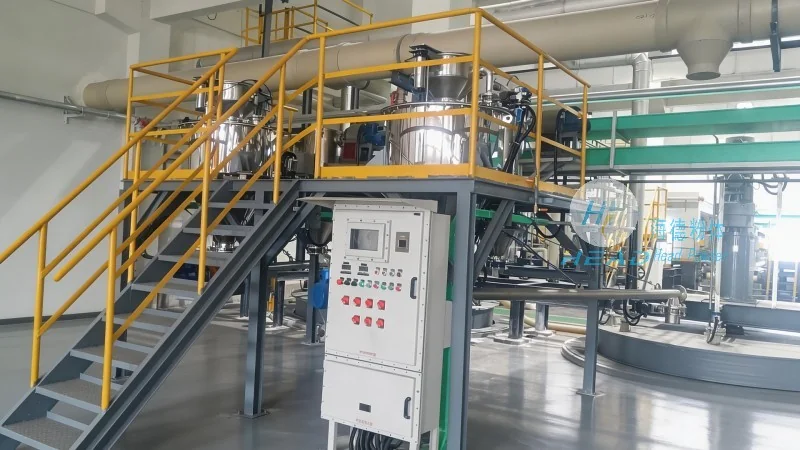
HeadPowder, a leading provider in this field, specializes in designing and implementing such systems. With a strong presence in Shandong, China, the company leverages years of experience to deliver tailored solutions that meet the unique demands of various industries. The company's commitment to quality and innovation ensures that its pneumatic conveying lines are not only efficient but also reliable and cost-effective.
Principle of Pneumatic Conveying for Resin Powders
The core principle of resin powder pneumatic conveying involves using air pressure to move the powder through a pipeline. There are two primary modes: positive pressure (or pressure) conveying and negative pressure (or vacuum) conveying. In positive pressure systems, air is blown into the pipeline, creating a pressure higher than the ambient air, which propels the powder forward. This method is ideal for long-distance or high-capacity applications. Negative pressure systems, on the other hand, use a vacuum to draw the powder into the pipeline, which is suitable for shorter distances or when the material needs to be collected from multiple sources.
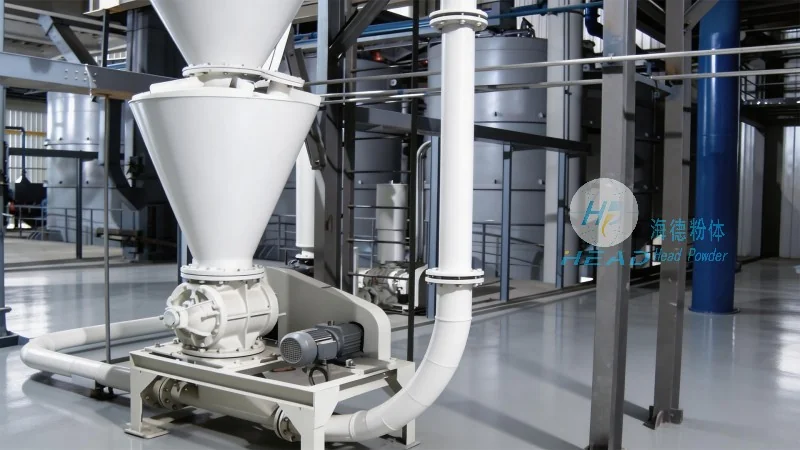
Key components of the system include the hopper (for material storage and feeding), the conveyor line (typically made of stainless steel or other corrosion-resistant materials to handle resin powders), and the control system (which regulates air flow and pressure). The hopper is equipped with a feeder that ensures a consistent flow of resin powder into the pipeline. The conveyor line may include bends, expansions, and filters to maintain the integrity of the powder and prevent blockages. The control system monitors parameters such as pressure, flow rate, and temperature, ensuring optimal operation and preventing system failures.
Working Scene Characteristics and Application Scenarios
The working scene characteristics of resin powder pneumatic conveying lines are defined by their adaptability to diverse industrial environments. These systems are widely used in sectors such as chemical manufacturing, pharmaceuticals, food processing, and plastics production. The key characteristics include high efficiency, low maintenance, and the ability to handle fine powders without degradation. For instance, in chemical plants, these lines are used to transport resin powders from storage to processing units, ensuring a continuous supply of raw materials. In pharmaceutical applications, the systems are designed to maintain sterile conditions, with filters and cleanroom-compatible materials to prevent contamination.
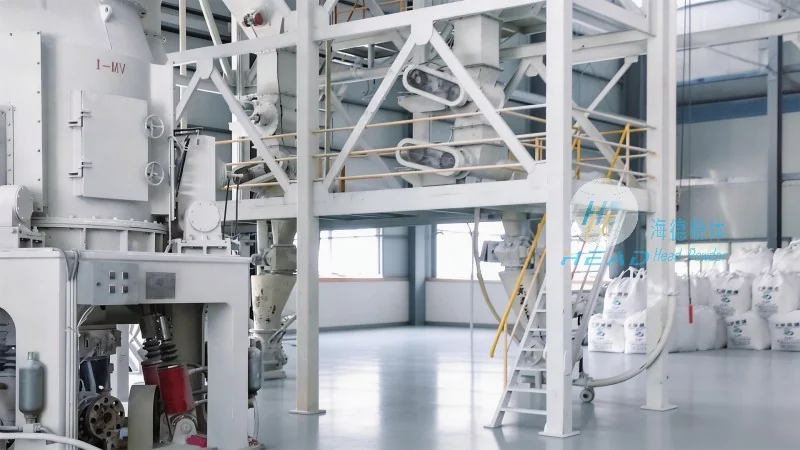
In food processing industries, the systems are constructed from food-grade materials to meet hygiene standards. The ability to handle fine powders without agglomeration is crucial, as resin powders used in food products need to remain free-flowing and consistent. The working scene also includes considerations for dust control and environmental compliance, as these systems are designed to minimize dust emissions and ensure safe operation in enclosed spaces.
Technical Advantages and Performance Features
Resin powder pneumatic conveying lines offer several technical advantages that make them superior to traditional methods like belt conveyors or bucket elevators. One of the primary advantages is the ability to handle fine powders without the need for mechanical contact, which reduces wear and tear on the material and the equipment. This results in longer equipment life and lower maintenance costs. Additionally, the systems are highly efficient in terms of energy consumption, as they use compressed air to move the material, which is more energy-efficient than mechanical systems for certain applications.
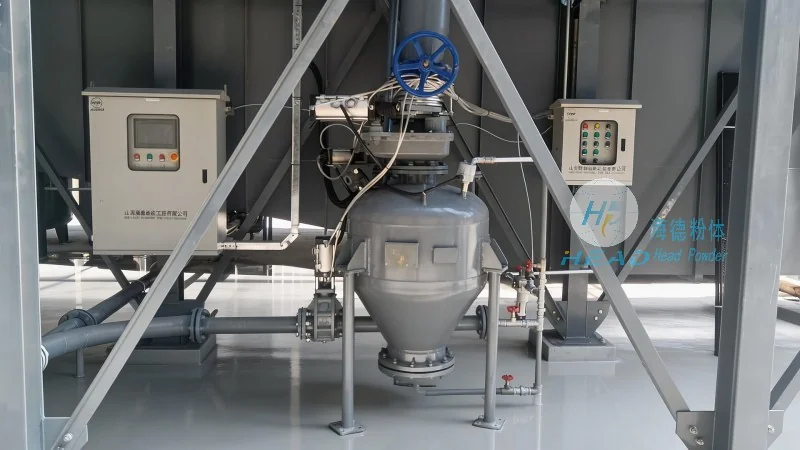
The flexibility of the system is another key feature. The pipeline can be easily reconfigured or extended to accommodate changes in production processes or facility layouts. This adaptability is particularly valuable in industries where production lines are frequently modified or expanded. The systems also provide real-time monitoring and data collection, allowing operators to optimize performance and identify potential issues before they become major problems.
Conclusion and Company Commitment
Resin powder pneumatic conveying lines are an essential technology for modern industrial operations, offering a reliable and efficient solution for material handling. HeadPowder, with its expertise and commitment to quality, provides comprehensive solutions that address the specific needs of its clients. By leveraging advanced engineering and a deep understanding of industrial processes, the company ensures that its systems are not only effective but also sustainable and environmentally friendly. The working scene characteristics and technical advantages of these lines make them a preferred choice for industries seeking to improve productivity, reduce costs, and enhance safety in their material handling operations.