

Principle and Working Scene Characteristics of Quartz Stone Pneumatic Conveying Lines
Quartz stone, a widely used material in the construction and manufacturing industries, often requires efficient and reliable transportation methods to move it from one location to another. Pneumatic conveying systems, particularly those designed for quartz stone, offer a solution that combines effectiveness with operational advantages. This article explores the fundamental principles behind quartz stone pneumatic conveying lines and highlights the key characteristics of their working scenarios, with a focus on the expertise of Shandong HeadPowder Engineering Co., Ltd., a leading provider in this field.
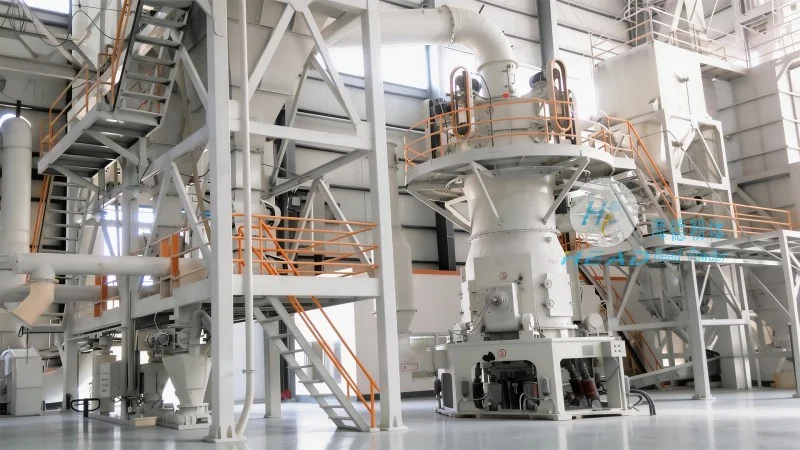
Introduction to Quartz Stone Pneumatic Conveying Systems
Pneumatic conveying, also known as air conveying, is a method of transporting bulk materials through a pipeline using air pressure. In the context of quartz stone, this technology is crucial for handling the material's properties, such as its density, particle size, and abrasiveness. Quartz stone, typically found in various forms like crushed or ground particles, demands a system that can manage these characteristics without compromising efficiency or safety. The systems designed for quartz stone often incorporate specialized components to ensure smooth and consistent material flow.
The Working Principle of Quartz Stone Pneumatic Conveying Lines
The core principle of quartz stone pneumatic conveying lines revolves around the use of air to move the material through a sealed pipeline. There are two primary types of pneumatic conveying systems: positive pressure (or pressure) systems and negative pressure (or vacuum) systems. Positive pressure systems use a blower to force air and material into the pipeline, while negative pressure systems use a vacuum to draw material into the pipeline. For quartz stone, both systems can be employed depending on the specific application and the distance over which the material needs to be conveyed.
Key components of a quartz stone pneumatic conveying line include the material feeder, which introduces the quartz stone into the system; the conveying pipeline, which transports the material; the separation and collection equipment, which separates the material from the air; and the air filtration system, which cleans the exhaust air. The material feeder is often designed to handle the abrasive nature of quartz stone, ensuring consistent feeding without causing wear and tear. The pipeline is typically made of durable materials like stainless steel or special alloys to withstand the abrasive particles. The separation equipment, such as cyclones or bag filters, efficiently separates the quartz stone from the air, allowing for clean material collection and air recycling.
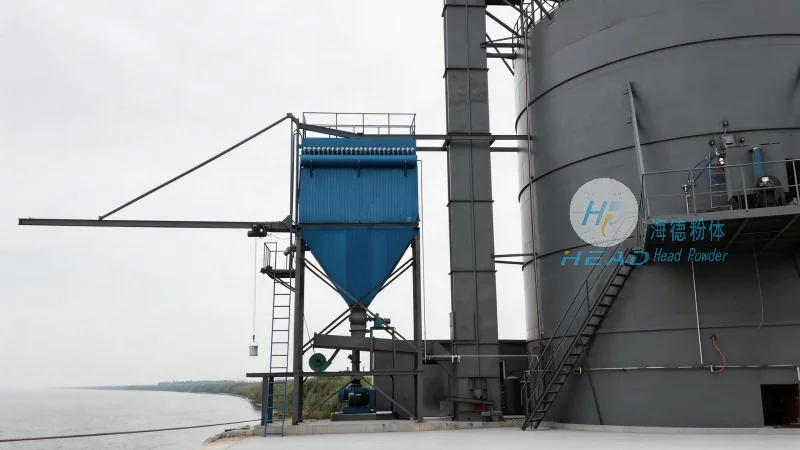
Key Characteristics of Working Scenarios for Quartz Stone Pneumatic Conveying
The working scenarios for quartz stone pneumatic conveying lines are diverse and tailored to the specific needs of the industry. These systems are commonly used in quartz stone processing plants, where they facilitate the movement of raw quartz stone from storage to processing equipment, such as crushers or grinders. In mining operations, pneumatic conveying can be used to transport crushed quartz from the mine to processing facilities, reducing the need for manual handling and improving safety. The construction industry also benefits from these systems, as they can transport quartz stone for use in building materials, such as countertops or tiles.
One of the primary advantages of quartz stone pneumatic conveying lines is their ability to operate in a clean and dust-free environment. Unlike traditional belt or bucket elevators, which can generate significant dust and require extensive dust control measures, pneumatic conveying systems keep the material contained within the pipeline, minimizing exposure to airborne particles. This not only improves workplace safety but also reduces the risk of contamination in the final product. Additionally, pneumatic conveying systems are highly efficient in terms of energy consumption, as they can transport large volumes of material over long distances with relatively low power input.
Another important characteristic is the flexibility of the system. Quartz stone pneumatic conveying lines can be configured to handle different particle sizes and flow rates, making them adaptable to various production requirements. The modular design of these systems allows for easy expansion or modification as production needs change. Furthermore, the systems are designed for low maintenance, with components that are easy to replace and service, reducing downtime and operational costs.
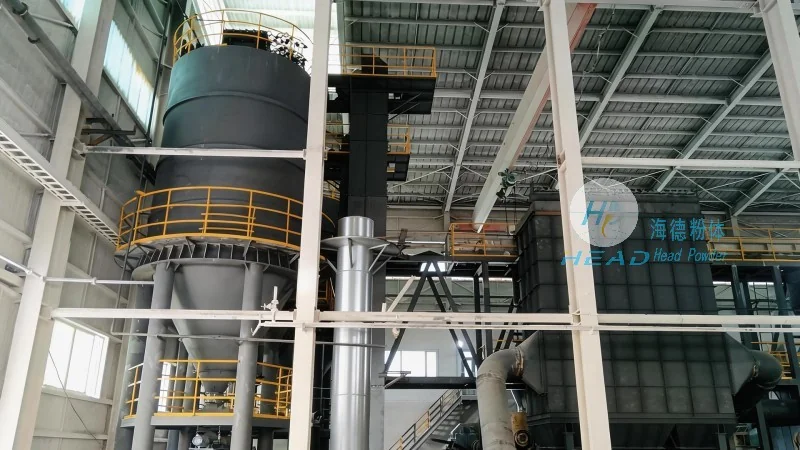
Application Examples and Operational Efficiency
Shandong HeadPowder Engineering Co., Ltd., a company based in China, specializes in the design and manufacturing of pneumatic conveying systems for various bulk materials, including quartz stone. The company's expertise lies in customizing systems to meet the specific needs of clients, ensuring optimal performance and reliability. For example, a quartz stone processing plant might use a positive pressure system to transport crushed quartz from a hopper to a grinding mill, while a mining operation might use a negative pressure system to move material from a conveyor belt to a storage silo.
The operational efficiency of quartz stone pneumatic conveying lines is enhanced by the integration of advanced control systems. These systems monitor parameters such as pressure, flow rate, and material level, allowing for real-time adjustments to maintain optimal performance. The use of sensors and automation technology ensures that the system operates smoothly and efficiently, minimizing the risk of blockages or other issues that could disrupt production. Additionally, the systems are designed to be compatible with existing infrastructure, reducing the need for major construction or modifications.
Conclusion and Industry Impact
Quartz stone pneumatic conveying lines represent a sophisticated solution for the efficient and safe transportation of quartz stone in various industrial applications. The principles behind these systems, combined with the specialized components and design considerations, ensure that they can handle the unique challenges posed by quartz stone. As the demand for quartz stone continues to grow, the importance of reliable and efficient conveying systems becomes increasingly critical. Companies like Shandong HeadPowder Engineering Co., Ltd. play a vital role in providing these systems, helping industries to improve their operational efficiency and maintain high standards of safety and quality.