

Principle and Operational Characteristics of Zinc Calcine Pneumatic Conveying Lines
Shandong HeadPowder Engineering Co., Ltd. is a professional enterprise dedicated to the design, manufacturing, and installation of industrial conveying systems. The company is headquartered in Shandong, China, and specializes in providing efficient and reliable solutions for material handling, particularly in the processing of zinc calcine and other bulk materials.
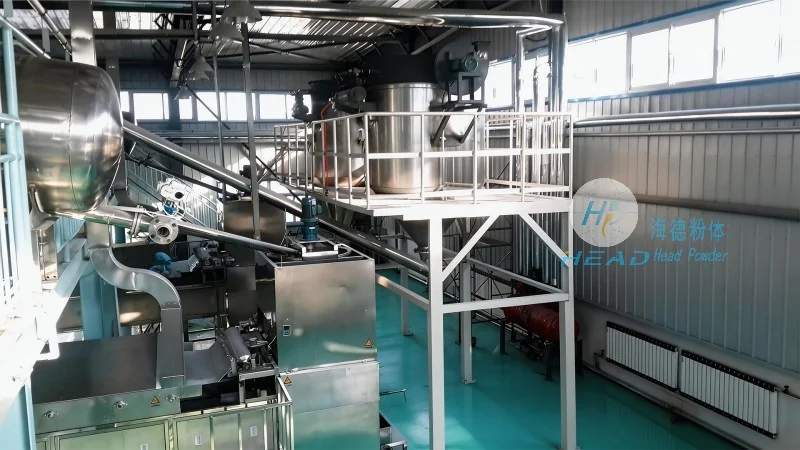
Zinc Calcine Pneumatic Conveying Lines: An Overview
As a core product, the zinc calcine pneumatic conveying line is engineered to transport zinc calcine—a crucial intermediate product in the zinc smelting process—from one processing stage to another. This system is designed to handle the specific physical properties of zinc calcine, such as its particle size, moisture content, and density, ensuring stable and efficient material flow. The line integrates advanced pneumatic conveying technology to meet the demands of modern zinc production facilities.
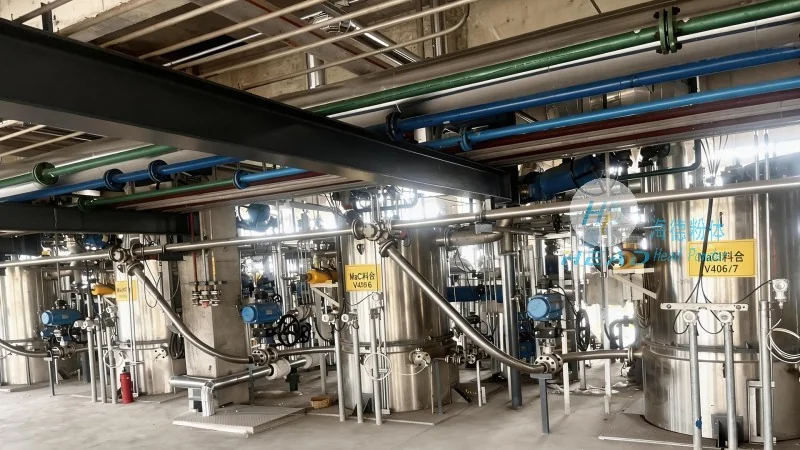
The Fundamental Principle of Pneumatic Conveying Systems
The zinc calcine pneumatic conveying line operates on the principle of using air or gas to transport bulk materials through a pipeline. There are two primary modes of pneumatic conveying: positive pressure and negative pressure. In positive pressure systems, air is forced into the conveying line at a higher pressure than the ambient air, pushing the material forward. Conversely, negative pressure systems create a vacuum in the line, drawing material into the pipeline. For zinc calcine, positive pressure is often preferred due to its ability to handle abrasive materials and maintain consistent flow rates. The system typically includes components such as a feeder, a blower or compressor, a pipeline network, and a receiver. The feeder ensures a controlled feed of zinc calcine into the line, while the blower provides the necessary air pressure to move the material. The pipeline network transports the material from the feeder to the receiver, which collects the material at the destination point. This closed-loop system minimizes material loss and contamination, making it ideal for industrial applications.
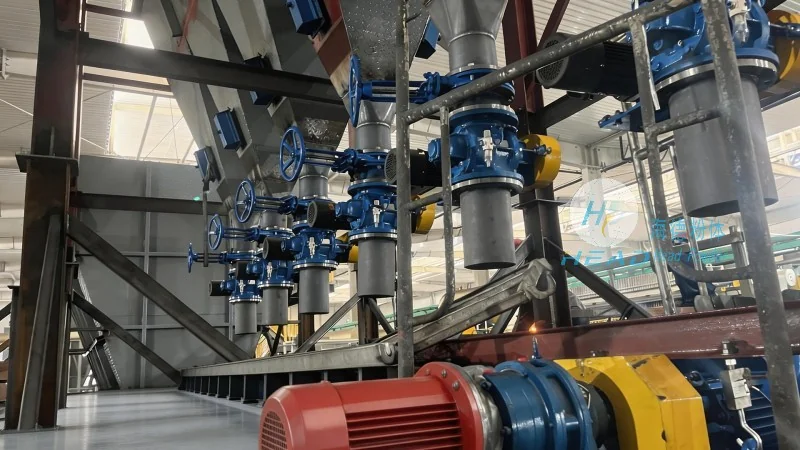
Operational Characteristics in Working Scenarios
The operational characteristics of the zinc calcine pneumatic conveying line are tailored to the specific requirements of industrial zinc processing plants. One key characteristic is its ability to handle high volumes of material with minimal downtime. The system is designed for continuous operation, allowing for efficient transfer of zinc calcine between stages such as roasting, leaching, or filtration. Another important feature is its adaptability to different process conditions. For example, the line can be adjusted to accommodate varying particle sizes of zinc calcine, ensuring that the conveying process remains stable even when material properties change. Additionally, the system is built with durability in mind, using corrosion-resistant materials to withstand the acidic and abrasive nature of zinc calcine. This ensures long-term reliability and reduces maintenance costs. The operational characteristics also include energy efficiency, as the system optimizes air usage to minimize energy consumption while maintaining effective material transport. This makes the line a cost-effective solution for zinc production facilities.