

Principle and Working Scene Characteristics of Magnesium Sulfate Pneumatic Conveying Lines
HeadPowder, a leading provider in the field of material handling solutions, specializes in the design, manufacturing, and installation of advanced pneumatic conveying systems. This article delves into the fundamental principles of magnesium sulfate pneumatic conveying lines and highlights the key characteristics of their operational environments. By understanding these aspects, industries involved in the processing and transportation of magnesium sulfate can optimize their material handling processes, enhance efficiency, and ensure safe and reliable operations.
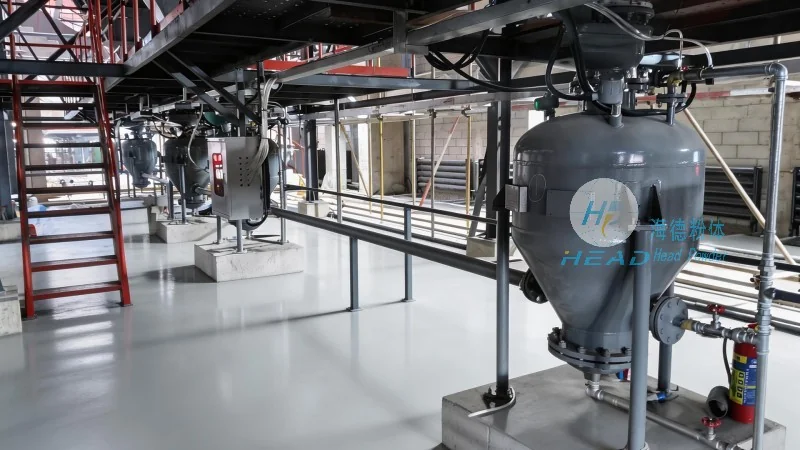
Overview of Magnesium Sulfate Pneumatic Conveying Systems
Magnesium sulfate, commonly known as Epsom salt, is a widely used chemical compound in various industries, including pharmaceuticals, agriculture, and water treatment. The pneumatic conveying line for magnesium sulfate is a sophisticated system that utilizes air or other gas streams to transport the material from one location to another. This method offers several advantages over traditional mechanical conveying systems, such as reduced equipment wear, lower maintenance costs, and the ability to handle fine powders without the risk of clogging or contamination.
The Core Principle of Pneumatic Conveying
The operation of a magnesium sulfate pneumatic conveying line is based on the principle of fluidization and particle suspension. The system typically consists of a hopper, a conveying line (often a pipeline), a venturi or airlock device, and a receiver. When air is introduced into the hopper at a controlled pressure, it creates a fluidized bed of magnesium sulfate particles. This fluidized state allows the particles to be entrained by the moving air stream as it travels through the pipeline. The air velocity is carefully regulated to maintain the particles in a suspended state, preventing them from settling or depositing on the pipeline walls. The venturi or airlock mechanism at the receiving end ensures that the material is discharged smoothly and without any backflow or pressure buildup.
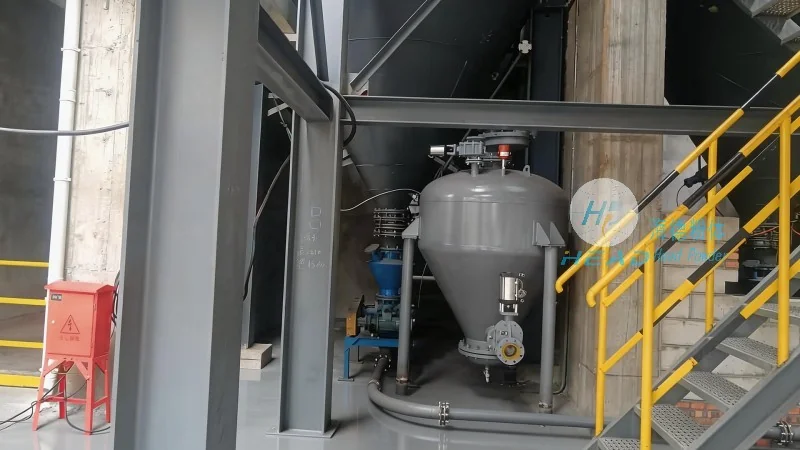
Key Working Scene Characteristics
The operational environment of magnesium sulfate pneumatic conveying lines is characterized by several critical factors that influence system performance and efficiency. These characteristics include:
1. Material Properties and Particle Size
The physical properties of magnesium sulfate, particularly its particle size distribution and flowability, play a crucial role in the design and operation of the conveying system. Fine powders, such as those with a particle size below 100 microns, are more prone to agglomeration and require higher air velocities to maintain suspension. Conversely, coarser particles can be conveyed at lower air speeds, reducing energy consumption. The system must be tailored to the specific particle size and density of the magnesium sulfate being handled to ensure optimal performance.
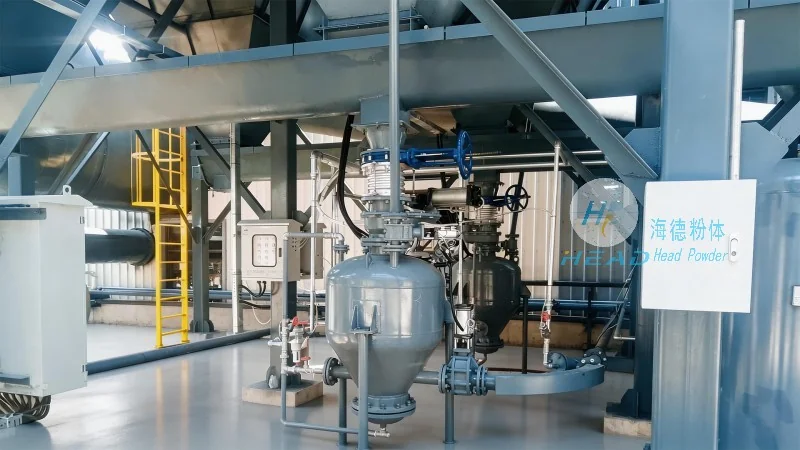
2. System Pressure and Air Flow Rates
The pressure and air flow rates within the pneumatic conveying line are critical parameters that determine the conveying capacity and distance. Higher pressure systems, often referred to as positive pressure systems, are suitable for longer conveying distances and higher material loads. These systems use a blower or compressor to generate the necessary air pressure, which is then used to transport the material. Negative pressure systems, on the other hand, are commonly used for shorter distances and lower material volumes, where the air is drawn from the receiving end to create a vacuum that pulls the material through the line. The choice between positive and negative pressure systems depends on the specific application requirements and the characteristics of the magnesium sulfate being conveyed.
3. Environmental and Safety Considerations
Due to the nature of magnesium sulfate as a fine powder, dust control and safety measures are paramount in the operational environment. The pneumatic conveying system must be equipped with appropriate dust collection and filtration systems to prevent the release of airborne particles into the workplace. This includes features such as cyclone separators, bag filters, and exhaust hoods to ensure compliance with occupational health and safety regulations. Additionally, the system should be designed to minimize the risk of explosion or fire, especially when handling materials that may be prone to ignition. Proper grounding and spark-proof equipment are essential to mitigate these risks and maintain a safe working environment.
4. Maintenance and Operational Flexibility
The working scene characteristics also include the ease of maintenance and operational flexibility of the pneumatic conveying line. A well-designed system should allow for easy access to components for cleaning, inspection, and repair. This includes features such as removable sections of the pipeline, quick-release connections, and accessible airlock and venturi devices. Operational flexibility is also important, as the system may need to handle varying material loads or be adapted to different processing requirements. The ability to adjust air pressure, flow rates, or conveying distances without significant modifications to the system enhances its versatility and long-term value.
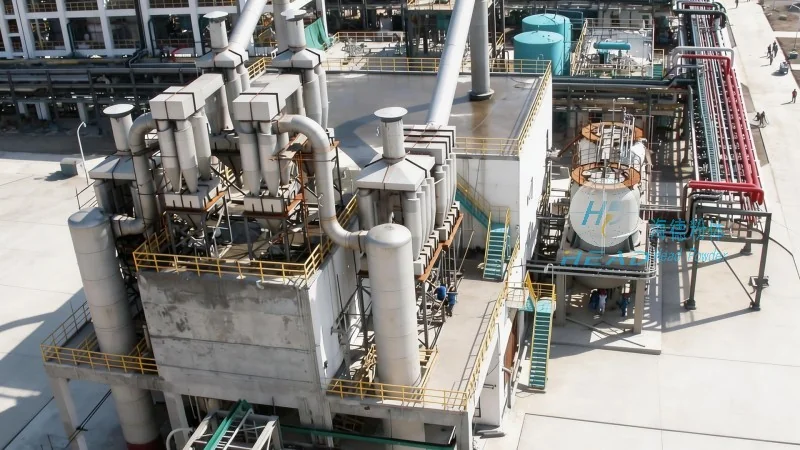
Applications and Industry Impact
Magnesium sulfate pneumatic conveying lines are widely used in various industrial applications where the efficient and safe transportation of fine powders is essential. In the pharmaceutical industry, for example, these systems are used to transport raw materials and finished products, ensuring that the material remains sterile and free from contamination. In agriculture, magnesium sulfate is used as a fertilizer, and the pneumatic conveying system facilitates its distribution from storage facilities to application sites. The water treatment industry also relies on these systems to transport magnesium sulfate for pH adjustment and other treatment processes. By optimizing the material handling process, these industries can improve their overall productivity, reduce operational costs, and enhance product quality.
Conclusion
In conclusion, the principle and working scene characteristics of magnesium sulfate pneumatic conveying lines are critical to the efficient and safe operation of material handling systems. The fluidization and particle suspension principle, combined with careful consideration of material properties, system pressure, environmental safety, and maintenance flexibility, ensures that these systems can effectively transport magnesium sulfate in various industrial applications. As a leading provider of material handling solutions, Shandong HeadPowder Engineering Co., Ltd. specializes in designing and implementing such systems, helping industries to optimize their processes and achieve their operational goals. With a focus on innovation and customer satisfaction, HeadPowder continues to deliver high-quality pneumatic conveying systems that meet the evolving needs of the industry.