

Principle and Working Scene Characteristics of Lithium Oxide Pneumatic Conveying Lines
HeadPowder, a leading provider in the field of material handling solutions, specializes in the design and implementation of advanced pneumatic conveying systems. This article focuses on the principle and working scene characteristics of lithium oxide pneumatic conveying lines, highlighting the technical aspects and practical applications of this specialized equipment.
Introduction to Lithium Oxide Pneumatic Conveying Systems
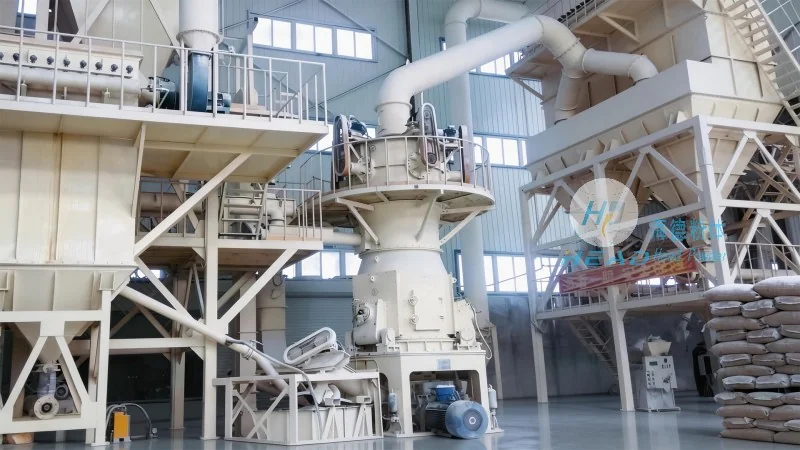
Lithium oxide, a critical chemical compound widely used in various industries such as battery manufacturing, pharmaceuticals, and chemical synthesis, requires efficient and reliable transportation methods to maintain product integrity and operational safety. Pneumatic conveying lines offer a solution by utilizing air pressure to transport solid materials like lithium oxide through a closed system. This method is particularly advantageous for handling powders and granules, ensuring minimal product degradation and reduced exposure to contaminants.
Principle of Pneumatic Conveying for Lithium Oxide
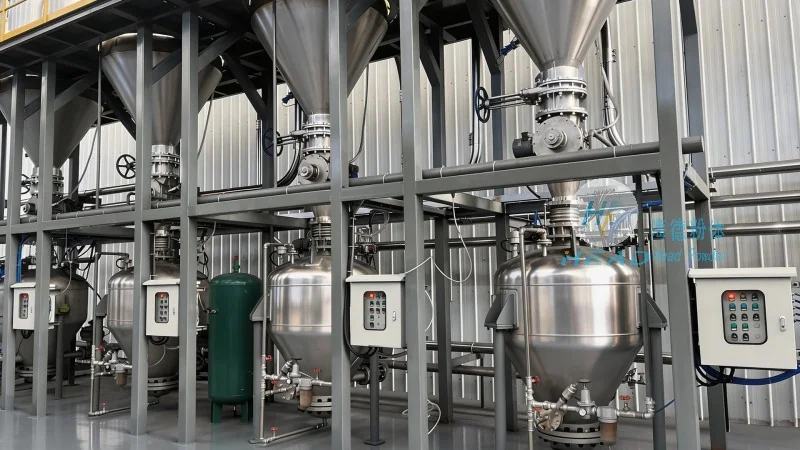
The core principle of pneumatic conveying involves the creation of a pressure differential within a pipeline system. In a positive pressure system, compressed air is introduced at the material inlet, pushing the lithium oxide particles forward through the pipeline. The air velocity is carefully controlled to ensure that the particles remain suspended and transported without clogging or degradation. This method is efficient for both short and long-distance transport, with the ability to handle varying particle sizes and flow rates. The system typically includes components such as a hopper, rotary valve, conveying line, and a receiver, all working in tandem to ensure smooth material transfer.
Key Components and Their Functions
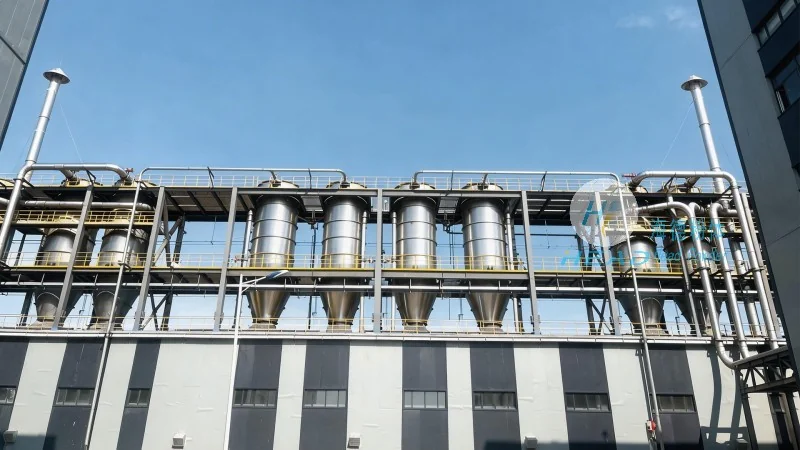
Several critical components are integral to the operation of lithium oxide pneumatic conveying lines. The hopper serves as the storage and feeding unit, where the lithium oxide is held before being introduced into the system. A rotary valve, often a star or vane type, controls the flow rate by regulating the amount of material discharged into the conveying line. The conveying line itself is usually made of stainless steel or other corrosion-resistant materials to prevent contamination and ensure durability. The air compressor provides the necessary pressure and volume of air, while the receiver collects the conveyed material at the end of the line. Each component is designed to handle the specific characteristics of lithium oxide, such as its reactivity and potential for dust generation.
Working Scene Characteristics and Applications
The working scene characteristics of lithium oxide pneumatic conveying lines are tailored to meet the demands of various industrial environments. In battery manufacturing facilities, for example, these systems are used to transport lithium oxide powders from storage to production lines, ensuring a continuous and controlled supply. The systems are also employed in pharmaceutical plants where the purity and sterility of the material are paramount. The ability to operate in a closed system minimizes dust exposure and cross-contamination, which is crucial for maintaining product quality and regulatory compliance. Additionally, the systems are suitable for applications requiring high-speed, low-loss transport, such as in chemical processing plants where the efficiency of material handling directly impacts overall production output.
Advantages and Considerations in Operational Scenarios
Operating lithium oxide pneumatic conveying lines offers several advantages, including high efficiency, reduced labor costs, and improved safety compared to traditional bulk handling methods. The closed system design prevents dust dispersion, protecting both personnel and the environment. However, certain considerations must be addressed, such as the need for regular maintenance to prevent blockages and ensure consistent air pressure. The system's performance is also influenced by factors like particle size distribution, moisture content, and the presence of contaminants, which can affect the conveying efficiency and material quality. Proper system design and regular monitoring are essential to mitigate these challenges and maintain optimal performance.
Conclusion and Company Overview
Shandong HeadPowder Engineering Co., Ltd., based in China, is a trusted provider of specialized material handling solutions, including lithium oxide pneumatic conveying lines. With a focus on innovation and customer satisfaction, HeadPowder designs systems that meet the unique requirements of industrial applications. The company's expertise in pneumatic conveying technology ensures that clients receive reliable, efficient, and safe equipment tailored to their specific needs. By understanding the principle and working scene characteristics of these systems, industries can enhance their operational efficiency and product quality, ultimately contributing to their long-term success.