

Principle and Working Scene Characteristics of Carbon Fiber Pneumatic Conveying Machines
Carbon fiber pneumatic conveying machines represent a sophisticated solution in material handling technology, designed to efficiently transport bulk materials through an air-based system. This article explores the fundamental principles behind their operation and highlights key working scene characteristics that make them suitable for various industrial applications.
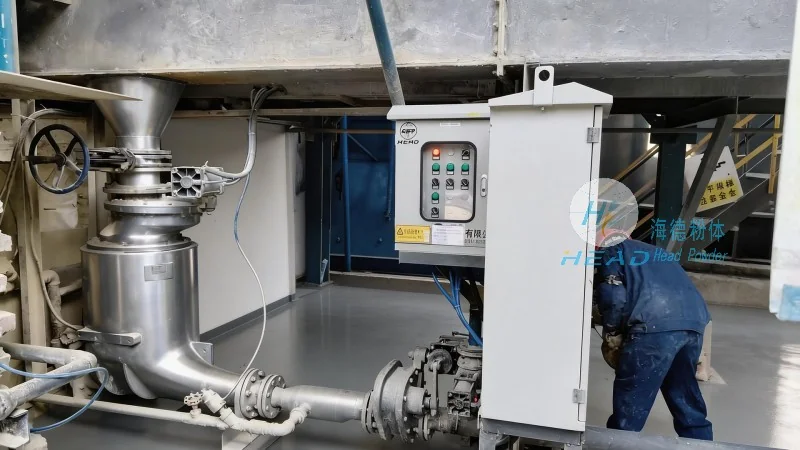
Introduction to Carbon Fiber Pneumatic Conveying Machines
At the core of carbon fiber pneumatic conveying systems is the use of lightweight, high-strength carbon fiber components to construct the conveying pipelines and associated equipment. These materials offer exceptional durability, resistance to corrosion, and the ability to maintain structural integrity under high pressure and temperature conditions. The integration of carbon fiber technology enhances the overall performance and longevity of the machinery, making it a preferred choice for industries dealing with abrasive or sensitive materials.
The Working Principle of Carbon Fiber Pneumatic Conveying
The operation of a carbon fiber pneumatic conveying machine relies on the principle of air movement to transport bulk materials. The system typically consists of a hopper for material storage, a conveyor line made from carbon fiber, and a control unit that regulates air pressure and flow. When the system is activated, air is introduced into the pipeline, creating a low-pressure or high-pressure environment that draws material from the hopper into the conveying line. The material is then carried through the pipeline by the air stream, reaching the discharge point where it is released. The carbon fiber construction ensures minimal friction and wear, allowing for smooth and continuous material flow without the need for frequent maintenance or replacement of components.
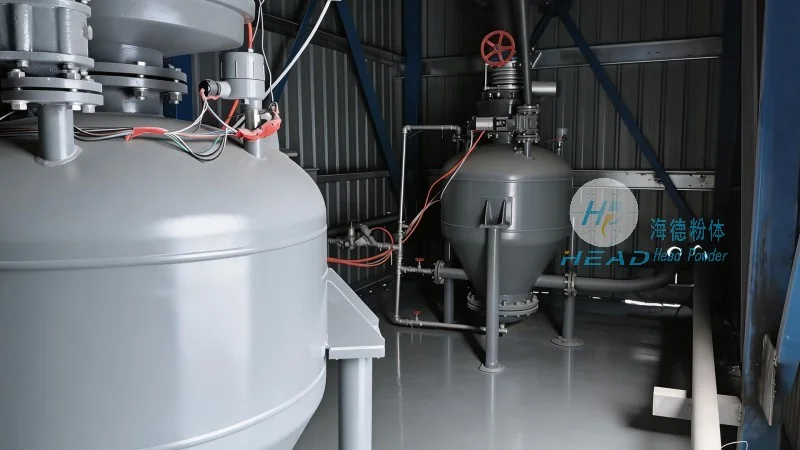
Key Working Scene Characteristics
Carbon fiber pneumatic conveying machines are particularly advantageous in specific working environments due to their unique properties. One of the primary characteristics is their ability to handle a wide range of materials, including powders, granules, and fine particles, without causing degradation or contamination. The non-stick surface of carbon fiber prevents material buildup, reducing the risk of clogging and ensuring consistent performance. Additionally, the lightweight nature of carbon fiber makes the machinery easier to install and maintain, even in confined or challenging spaces. The system's compact design also allows for integration into existing production lines with minimal disruption, making it a flexible solution for various industrial settings.
Company Background and Expertise
HeadPowder, a leading manufacturer of advanced material handling equipment, specializes in the design and production of carbon fiber pneumatic conveying systems. With a strong commitment to innovation and quality, Shandong HeadPowder Engineering Co., Ltd. has established itself as a trusted partner for industries requiring reliable and efficient material transport solutions. Based in Shandong, China, the company leverages its expertise in carbon fiber technology to develop machinery that meets the highest standards of performance and durability. The company's focus on customer needs and continuous improvement ensures that its products are tailored to the specific requirements of each application, providing long-term value and operational efficiency.
Applications and Industry Suitability
Carbon fiber pneumatic conveying machines are widely used in industries such as pharmaceuticals, food processing, and chemical manufacturing, where material purity and hygiene are critical. The system's ability to maintain material integrity and prevent cross-contamination makes it ideal for handling sensitive products. In the pharmaceutical industry, for example, carbon fiber conveying systems ensure that active ingredients are transported without any risk of contamination from metal or other materials. Similarly, in food processing, the non-corrosive and non-reactive properties of carbon fiber prevent any adverse effects on the product quality. The machinery's efficiency in handling fine powders and granules also makes it suitable for applications in the chemical industry, where precise material control is essential.
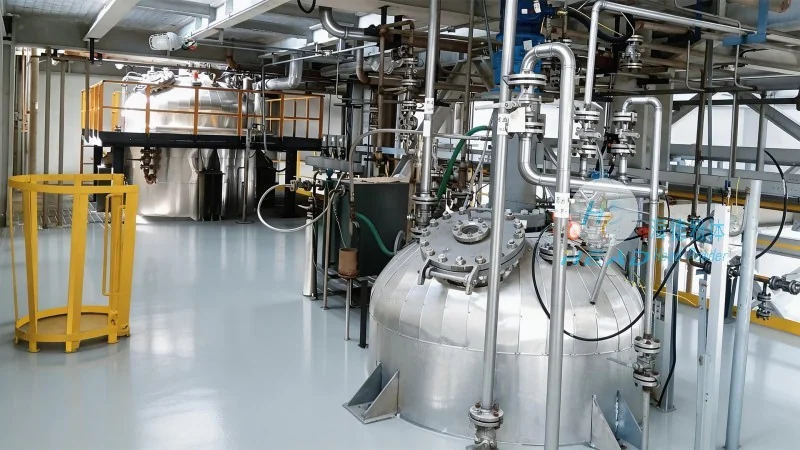
Advantages and Performance Metrics
Compared to traditional metal or plastic conveying systems, carbon fiber pneumatic conveying machines offer several advantages that enhance operational efficiency and reduce costs. The high strength-to-weight ratio of carbon fiber reduces the overall weight of the machinery, leading to lower energy consumption and reduced installation costs. The system's resistance to corrosion and wear extends the service life of the components, minimizing downtime and maintenance expenses. Furthermore, the smooth interior surface of carbon fiber pipelines reduces friction, allowing for higher material throughput and lower air consumption. These performance metrics make carbon fiber pneumatic conveying machines a cost-effective and reliable solution for long-term material handling needs.
Conclusion
Carbon fiber pneumatic conveying machines combine advanced materials technology with efficient air-based transport mechanisms to provide a reliable and versatile solution for bulk material handling. Their working principles, characterized by low friction and high durability, make them suitable for a wide range of industrial applications. The key working scene characteristics, including material purity, ease of maintenance, and compact design, further enhance their suitability for modern production environments. As industries continue to seek more efficient and sustainable material handling solutions, carbon fiber pneumatic conveying machines remain a top choice for companies looking to improve operational performance and reduce costs.