

Principle and Working Scene Characteristics of Calcite Pneumatic Conveying Equipment
Calcite, a common calcium carbonate mineral, is widely used in various industrial applications due to its chemical properties and physical characteristics. The efficient handling of calcite powder is crucial for many manufacturing processes, and pneumatic conveying systems offer a reliable solution for transporting this material. This article explores the principles behind calcite pneumatic conveying equipment, highlighting its operational mechanisms and typical application scenarios.
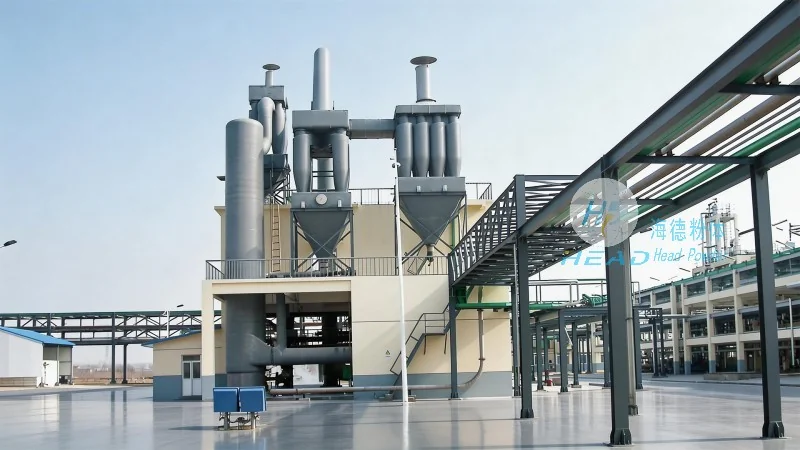
Company Overview: HeadPowder Engineering
HeadPowder, a leading manufacturer of material handling equipment, specializes in designing and producing advanced pneumatic conveying systems. With a strong focus on innovation and quality, the company has established itself as a trusted partner in the industry. HeadPowder Engineering Co., Ltd., based in Shandong, China, leverages decades of experience to deliver customized solutions that meet the unique demands of clients across different sectors.
The Principle of Pneumatic Conveying for Calcite
Pneumatic conveying systems utilize air or gas to transport bulk materials like calcite powder through a pipeline. The core principle involves creating a pressure differential to move the material from the source to the destination. There are two main types of pneumatic conveying: pressure and vacuum systems. For calcite, which is often fine and abrasive, pressure systems are commonly preferred as they provide consistent flow and reduce material degradation. The process typically starts with the material being fed into a hopper, where it is then introduced into the conveying line via a rotary valve or feeder. Compressed air is then introduced, creating a flow that propels the calcite particles through the pipeline. The system is designed to maintain a stable velocity and pressure to ensure efficient transport without clogging or excessive wear on components.
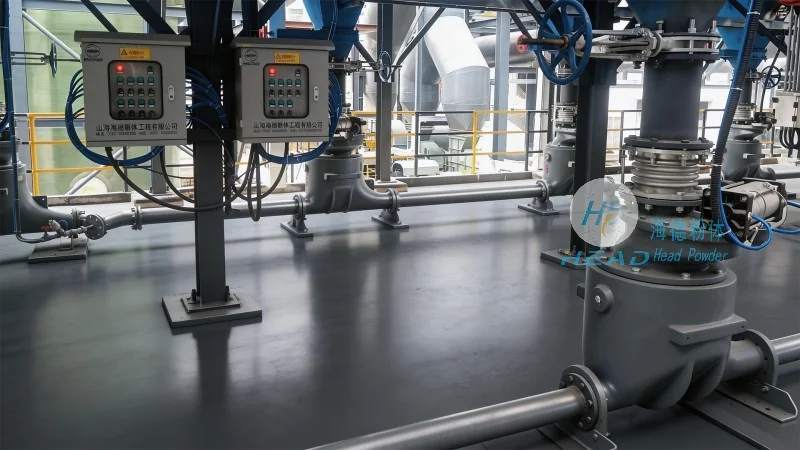
Key Components of Calcite Pneumatic Conveying Equipment
The effectiveness of a calcite pneumatic conveying system depends on several critical components. These include the hopper for material storage, the feeder to control the flow rate, the conveying line (usually made of stainless steel or other corrosion-resistant materials to handle calcite's chemical properties), and the receiver for depositing the material at the destination. Additionally, components such as cyclones, filters, and silos are often integrated to separate air from the material and store the processed calcite. The design of these components is tailored to handle the specific characteristics of calcite, such as its fine particle size and potential for static charge buildup, ensuring smooth and reliable operation.
Working Scene Characteristics: Industrial Applications
The working scene characteristics of calcite pneumatic conveying equipment vary based on the industry and specific application. In the chemical and pharmaceutical sectors, these systems are used to transport calcite for use as a filler or raw material in production processes. The need for clean, dust-free environments makes the design of these systems critical, with features like enclosed hoppers and filtration systems to prevent contamination. In the construction industry, calcite is used as a component in cement and concrete, and pneumatic conveying is employed to transport it from storage to mixing plants. The high volume and continuous operation required in construction sites make the reliability and durability of the equipment essential. Additionally, in the food and beverage industry, calcite may be used as a calcium supplement, and the systems must comply with sanitary standards, featuring easy-to-clean components and air filtration to maintain product quality.
Advantages of Using Pneumatic Conveying for Calcite
Compared to traditional methods like belt conveyors or bucket elevators, pneumatic conveying offers several advantages for calcite handling. One of the primary benefits is the ability to transport calcite in a closed system, which minimizes dust emissions and improves workplace safety. This is particularly important in industries where dust can be a health hazard or cause environmental issues. Another advantage is the flexibility of the system, as it can be easily reconfigured to handle different material types or process changes. The enclosed design also reduces material loss and contamination, ensuring that the calcite remains in a clean state throughout the transport process. Furthermore, pneumatic conveying systems are generally more energy-efficient than other methods, as they use less power to move the material over short to medium distances. This makes them a cost-effective solution for many industrial applications.
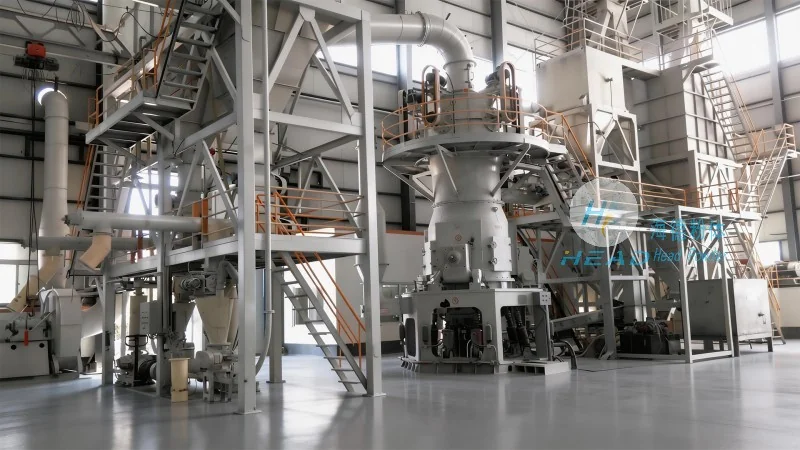
Challenges and Solutions in Calcite Pneumatic Conveying
While pneumatic conveying is highly effective, it also presents some challenges when handling calcite. One common issue is the potential for material buildup or clogging in the conveying line, especially with fine particles. To address this, HeadPowder Engineering incorporates features such as pulse jets or rotary valves that help maintain consistent flow and prevent blockages. Another challenge is the abrasive nature of calcite, which can cause wear on the conveying components over time. The company uses high-quality materials, such as stainless steel and wear-resistant coatings, to extend the lifespan of the equipment and reduce maintenance costs. Additionally, calcite can generate static electricity, which may affect the flow and cause dust accumulation. Anti-static measures, such as grounding and ionizers, are integrated into the system to mitigate these issues and ensure smooth operation.
Conclusion: The Role of Calcite Pneumatic Conveying in Modern Industry
Calcite pneumatic conveying equipment plays a vital role in the efficient and safe handling of this essential mineral. By leveraging the principles of pneumatic transport, these systems enable industries to meet their production demands while maintaining high standards of quality and safety. HeadPowder Engineering, with its expertise and commitment to innovation, continues to develop advanced solutions that address the unique challenges of calcite handling. As industries evolve and demand for efficient material transport increases, the importance of reliable pneumatic conveying systems will only grow, making them a cornerstone of modern industrial operations.