

Principle and Working Scene Characteristics of Calcium Carbonate Pneumatic Conveying Equipment
Calcium carbonate, a widely used industrial material, often requires efficient and reliable transport systems for various applications. The pneumatic conveying system, specifically designed for handling calcium carbonate powders, offers a solution that combines efficiency with operational flexibility. This article explores the fundamental principles behind calcium carbonate pneumatic conveyors and highlights key working scene characteristics that make them suitable for diverse industrial settings.
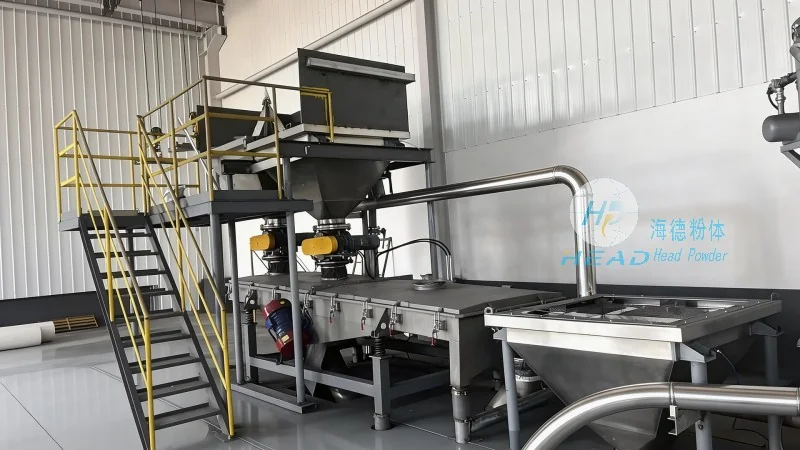
Core Principle of Pneumatic Conveying for Calcium Carbonate
The pneumatic conveying process for calcium carbonate operates on the principle of using air or gas as the conveying medium to transport particulate materials. In this system, the calcium carbonate powder is introduced into a pipeline, where it is entrained by a high-velocity air stream. The air flow, generated by a blower or fan, creates a pressure differential that propels the material through the pipeline. This method eliminates the need for mechanical components like belts or buckets, reducing maintenance requirements and improving safety. The design of the system, including the air velocity, pipeline diameter, and material flow rate, is crucial for ensuring efficient and stable conveying. The headpowder engineering team has optimized these parameters to deliver consistent performance for calcium carbonate handling.
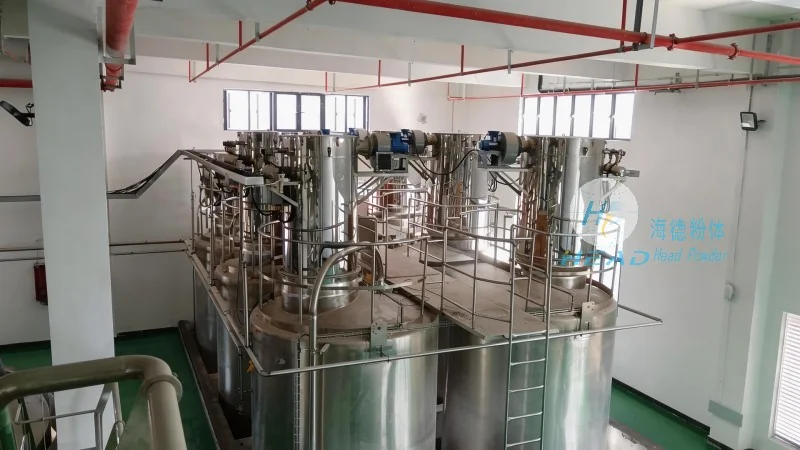
Key Working Scene Characteristics
The application of calcium carbonate pneumatic conveyors is characterized by several distinct working scene features that enhance their suitability for specific industrial environments. First, the system's ability to handle fine powders without clogging or degradation is critical, as calcium carbonate particles are often small and prone to agglomeration. The design incorporates features such as air classification and pulse jets to maintain particle integrity and prevent blockages. Second, the flexibility of the system allows for multiple discharge points, enabling material to be distributed to various processing units or storage locations. This is particularly beneficial in large-scale production facilities where calcium carbonate is used in multiple stages of manufacturing. Third, the system's compact design and low space requirements make it ideal for installations in confined areas, such as within production lines or in existing industrial facilities. The headpowder engineering approach emphasizes modular construction, allowing for easy integration and adaptation to existing infrastructure.
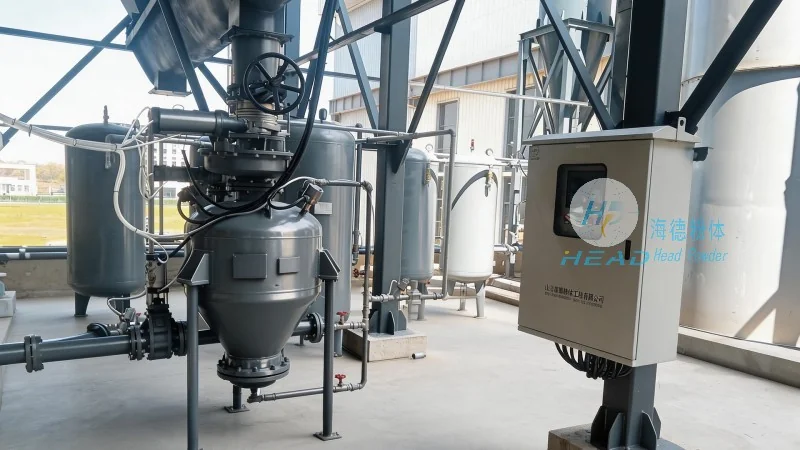
Operational Advantages in Industrial Applications
When deployed in industrial settings, calcium carbonate pneumatic conveyors offer several operational advantages that contribute to overall efficiency and cost-effectiveness. The primary benefit is the reduction in material handling time and labor costs. By automating the transport process, the system minimizes the need for manual handling, which not only improves safety but also increases production throughput. Additionally, the system's low maintenance requirements, due to the absence of moving parts in the conveying line, result in lower operational costs over the equipment's lifespan. The headpowder engineering team has focused on durability and reliability, ensuring that the equipment can withstand the demands of continuous operation in demanding industrial environments. Another key advantage is the ability to control the material flow rate precisely, which is essential for maintaining consistent quality in downstream processes. This control is achieved through adjustable air pressure and flow rate settings, allowing operators to optimize the conveying process based on specific production needs.
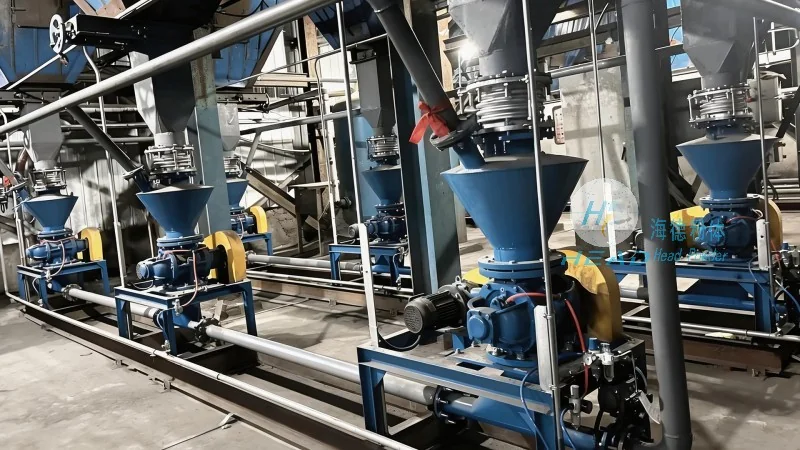
Company Background and Expertise
Shandong HeadPowder Engineering Co., Ltd., commonly known as headpowder, is a leading manufacturer specializing in the design and production of pneumatic conveying equipment for industrial applications. With a strong presence in China, particularly in Shandong, the company has built a reputation for delivering high-quality, customized solutions tailored to the unique needs of clients. The company's engineering team has extensive experience in handling diverse materials, including calcium carbonate, and has developed specialized designs that address the specific challenges associated with these powders. The company's commitment to innovation and customer satisfaction is reflected in its continuous investment in research and development, ensuring that its products remain at the forefront of industrial material handling technology. Headpowder's facilities in Shandong are equipped with advanced manufacturing capabilities, enabling the production of robust and reliable pneumatic conveying systems that meet international standards and client specifications.