

Principle and Working Scene Characteristics of Carburizing Slag Gas-Solid Transport System Equipment
Carburizing slag, a byproduct generated during the production of calcium carbide, poses significant challenges for handling and disposal. The gas-solid transport system equipment designed for carburizing slag purification is a critical solution that efficiently manages this material. This article explores the fundamental principles of such systems and highlights the key characteristics of their operational scenarios.
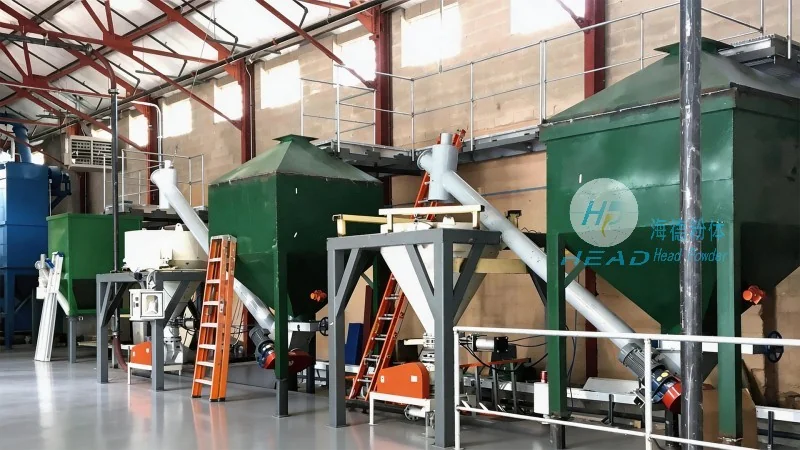
System Principle: How Gas-Solid Transport Works
The core principle of carburizing slag gas-solid transport systems is the use of air or other gases to convey solid particles through a pipeline. This method, known as pneumatic conveying, leverages the pressure or vacuum created by a fan or blower to move the material. The system typically consists of several key components: a feeding device to introduce the slag into the pipeline, a transport pipeline to carry the material, a separation unit to separate the solid from the gas, and a control system to regulate the operation. The choice between positive pressure (blow-through) and negative pressure (suction) systems depends on factors such as material properties, distance, and system complexity. Positive pressure systems are commonly used for long-distance or high-volume transport, as they can handle larger particles and are less prone to clogging. Negative pressure systems, on the other hand, are suitable for short-distance or dusty environments, as they minimize dust emissions at the source.
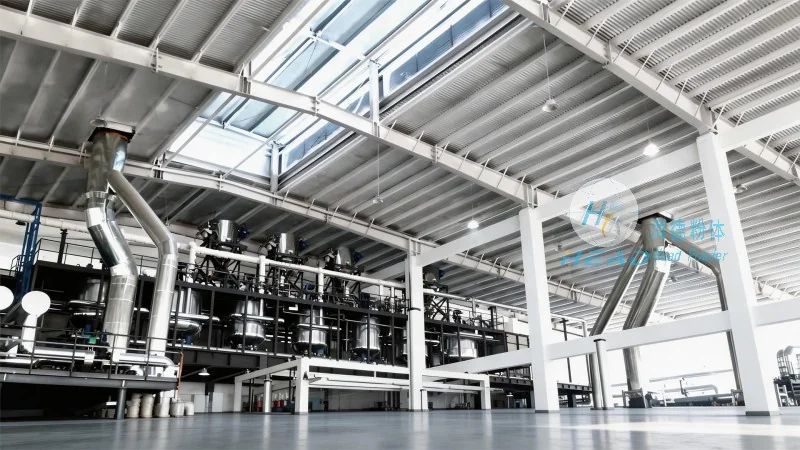
Working Scene Characteristics: Real-World Applications
The operational scenarios of carburizing slag gas-solid transport systems vary widely based on industrial requirements and site conditions. In the context of calcium carbide plants, these systems are often integrated into the slag treatment process, where they transport purified slag from the filtration or drying stages to storage or disposal sites. The efficiency of the system is crucial in such applications, as it directly impacts the overall production cycle and environmental compliance. For example, in a large-scale carbide production facility, the system may need to handle several tons of slag per hour, requiring robust equipment capable of maintaining consistent flow rates and preventing material buildup. Additionally, the system must be designed to handle the abrasive nature of carburizing slag, which can cause wear on components like pipelines and separation units. This necessitates the use of high-quality materials, such as stainless steel or special alloys, to ensure long-term durability and minimal maintenance.
Operational Advantages and Considerations
Implementing a carburizing slag gas-solid transport system offers several advantages over traditional methods, such as manual handling or mechanical conveyors. The primary benefit is the reduction in labor costs and the elimination of manual handling, which improves workplace safety. Additionally, pneumatic systems can transport materials over longer distances with less energy consumption compared to other methods, making them more cost-effective in the long run. However, there are also considerations to keep in mind. The system's performance is highly dependent on the moisture content and particle size of the slag, as high moisture levels can lead to clogging and reduced efficiency. Proper maintenance, including regular cleaning of the separation unit and inspection of the fan, is essential to ensure optimal operation. Furthermore, the system must comply with local environmental regulations regarding dust emissions, which may require additional filtration or dust collection equipment.
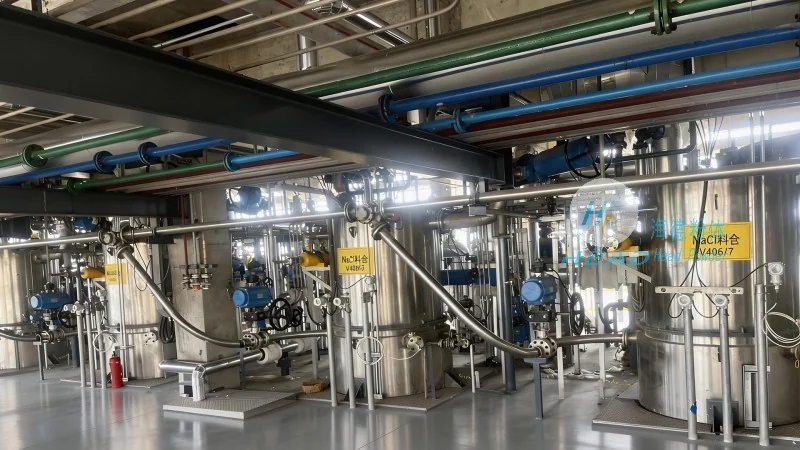
About Shandong HeadPowder Engineering Co., Ltd.
Shandong HeadPowder Engineering Co., Ltd., a leading manufacturer in the field of industrial material handling equipment, specializes in the design, development, and production of carburizing slag gas-solid transport systems. With years of experience and a commitment to innovation, the company has established itself as a trusted partner for clients in the calcium carbide and chemical industries. HeadPowder's products are engineered to meet the specific needs of each project, ensuring high performance, reliability, and durability. The company's team of engineers and technicians work closely with clients to understand their operational requirements and provide tailored solutions that enhance efficiency and reduce operational costs. HeadPowder's facilities are equipped with advanced manufacturing technologies and quality control systems, ensuring that every product meets the highest standards of performance and safety. Based in Shandong, China, the company leverages its local expertise and resources to deliver comprehensive support to clients worldwide.