

Principle and Working Scene Characteristics of Graphite Electrode Pneumatic Conveying System Equipme
Graphite electrode pneumatic conveying systems represent a critical component in the modern manufacturing and material handling processes, particularly within the graphite industry. These systems are engineered to efficiently transport graphite electrodes and related materials with precision and reliability. Understanding the underlying principles and the specific working scene characteristics of such equipment is essential for optimizing industrial operations and ensuring consistent product quality.
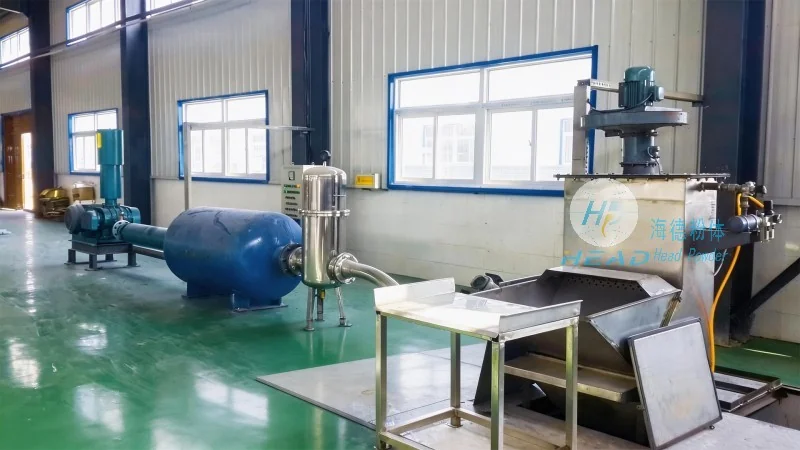
Core Principles of Graphite Electrode Pneumatic Conveying Systems
The fundamental principle of a pneumatic conveying system involves the use of compressed air or other gases to move bulk materials through a pipeline. In the context of graphite electrodes, this technology allows for the seamless transfer of materials from storage silos, processing units, or production lines to the next stage of manufacturing. The system typically comprises several key components, including a hopper, a rotary valve, a conveying line, and a receiver. The process begins when material is fed into the hopper, where it is then metered and released into the conveying line through the rotary valve. Compressed air is introduced at the inlet of the line, creating a pressure differential that propels the material forward. The design of the conveying line, including its diameter, length, and bends, is carefully optimized to minimize pressure loss and ensure smooth material flow. The receiver at the end of the line collects the conveyed material, which can then be discharged for further processing or packaging.
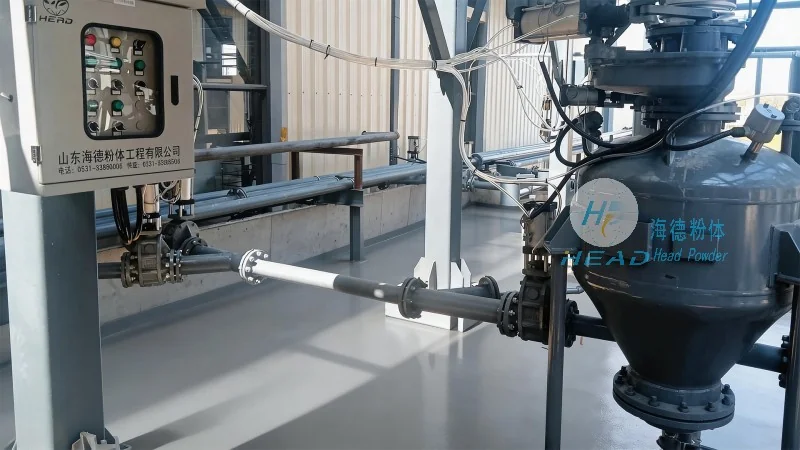
Working Scene Characteristics and Application Scenarios
Graphite electrode pneumatic conveying systems are deployed in diverse industrial environments, each with unique requirements that influence system design and performance. In manufacturing facilities for graphite electrodes, these systems are commonly used to transport raw graphite materials, such as graphite powder or granules, from raw material storage to the electrode production line. The working scene often involves high-volume material handling, where the system must maintain consistent flow rates and pressure levels to meet production demands. Another common application is in the transfer of finished graphite electrodes from the production line to quality control stations or storage areas. In such scenarios, the system must ensure that the electrodes are handled gently to prevent damage, as even minor abrasions can affect their electrical conductivity and overall performance.
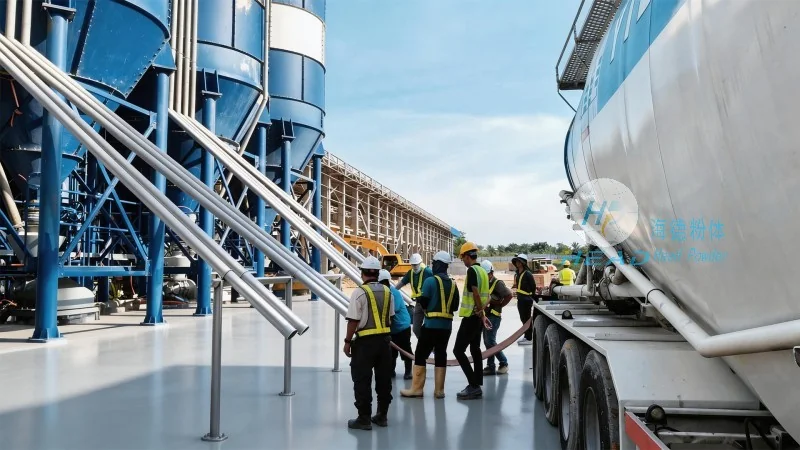
Key Features and Advantages of the System
Systems designed by Shandong HeadPowder Engineering Co., Ltd. incorporate several advanced features that enhance operational efficiency and product integrity. One notable advantage is the ability to handle abrasive materials like graphite without causing excessive wear to the system components. The use of high-quality materials for the conveying line and components ensures long-term durability and minimal maintenance requirements. Additionally, the system is equipped with pressure monitoring and control mechanisms that allow for real-time adjustments to maintain optimal conveying conditions. This feature is particularly valuable in dynamic production environments where material flow rates may vary. The system also supports integration with other industrial automation systems, enabling seamless coordination with production scheduling and quality control processes.
Company Background and Technical Expertise
Shandong HeadPowder Engineering Co., Ltd., a leading manufacturer in the field of material handling equipment, specializes in the design, development, and production of advanced pneumatic conveying systems. With a strong focus on innovation and customer-centric solutions, the company has established itself as a trusted partner for industries requiring reliable and efficient material transport solutions. HeadPowder's expertise lies in understanding the specific challenges of handling graphite electrodes and other similar materials, allowing them to tailor systems that meet the unique demands of each application. The company's facilities in Shandong, China, are equipped with state-of-the-art manufacturing capabilities and rigorous quality control processes to ensure that every system meets the highest industry standards.
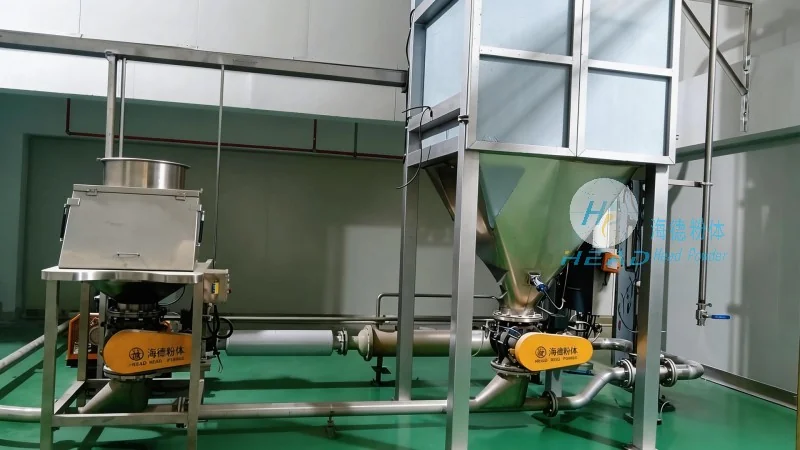
Conclusion and Practical Implications
In conclusion, graphite electrode pneumatic conveying systems are indispensable tools for modern graphite manufacturing operations. By leveraging the principles of pneumatic transport and incorporating advanced design features, these systems enhance productivity, reduce material handling costs, and improve overall product quality. The working scene characteristics, such as high-volume material transfer and the need for gentle handling, are effectively addressed through optimized system configurations. As industries continue to evolve and demand higher efficiency, the importance of reliable pneumatic conveying systems will only grow. For businesses seeking to enhance their material handling capabilities, partnering with a reputable manufacturer like Shandong HeadPowder Engineering Co., Ltd. can provide the expertise and solutions needed to achieve operational excellence.