

Principles and Application Scenarios of PVC Powder Conveying
HeadPowder, a leading provider in the field of powder handling technology, specializes in the efficient and reliable transport of PVC powders. This article delves into the fundamental principles of PVC powder conveying systems and highlights key operational characteristics across various industrial applications.
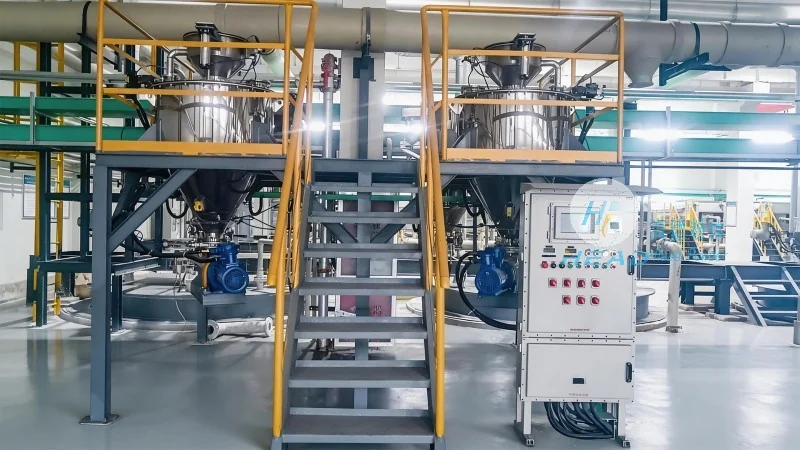
Understanding the Core Principles of PVC Powder Conveying
PVC powder conveying relies on several key principles to ensure smooth and efficient material movement. The primary goal is to maintain the integrity of the powder while minimizing issues such as caking, agglomeration, or degradation. Effective conveying systems must address the unique properties of PVC powders, which include their hygroscopic nature and potential for static charge buildup. By understanding these principles, industries can select the most appropriate conveying methods and equipment to optimize performance and safety.
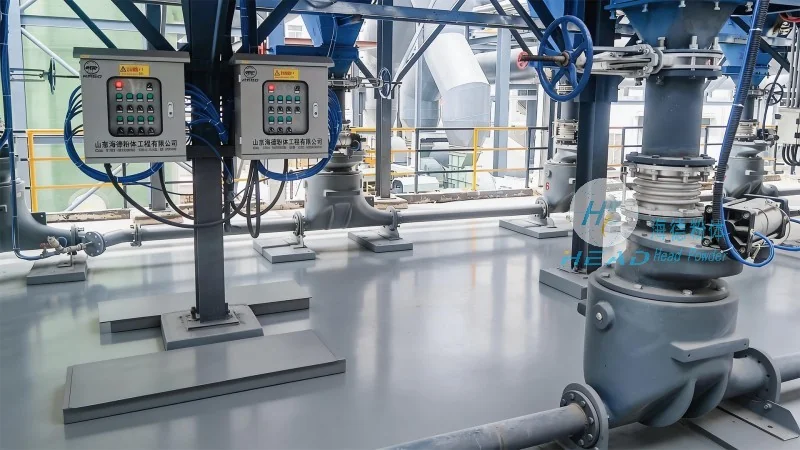
Key Components and Technologies in PVC Powder Conveying Systems
Modern PVC powder conveying systems typically incorporate a combination of components designed to handle the specific challenges of PVC materials. These components may include: feeders, which control the flow rate of the powder; conveyors, such as pneumatic or mechanical systems; and control mechanisms to regulate pressure, temperature, and flow. Pneumatic conveying, for instance, uses air or gas to transport the powder through pipelines, while mechanical conveyors like screw or belt systems rely on physical movement to move the material. The choice of technology depends on factors like the volume of material, the distance to be conveyed, and the required level of control over the process.
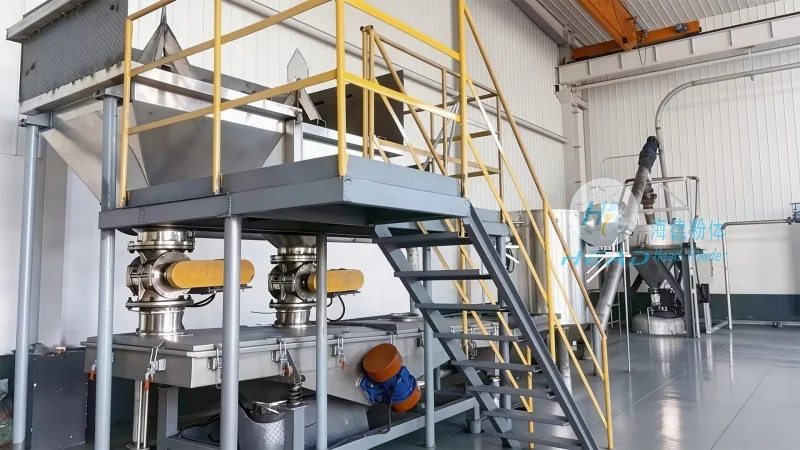
Application Scenarios and Operational Characteristics
HeadPowder's conveying solutions are tailored to a wide range of industrial applications, each with distinct operational characteristics. For example, in the manufacturing of PVC products, such as pipes or flooring, the conveying system must ensure consistent material quality and prevent contamination. In chemical processing facilities, the system may need to handle large volumes of PVC powder at high speeds while maintaining precise temperature control. Additionally, in recycling operations, the conveying system must be capable of handling mixed or contaminated powders without causing further degradation. Each application scenario requires careful consideration of factors like material flow rates, particle size distribution, and environmental conditions to ensure optimal performance.
Addressing Common Challenges in PVC Powder Conveying
Despite the advancements in conveying technology, several challenges remain in the handling of PVC powders. One of the most common issues is the formation of static charge, which can lead to material buildup on equipment or cause sparks in the presence of flammable materials. To mitigate this, many systems incorporate anti-static measures, such as grounding or the use of conductive materials. Another challenge is the tendency of PVC powders to cake or agglomerate, especially when exposed to moisture or high temperatures. Effective conveying systems often include drying or conditioning steps to prevent these issues and maintain the flowability of the material. Additionally, the risk of dust explosions in enclosed environments requires the implementation of explosion-proof designs and proper ventilation systems.
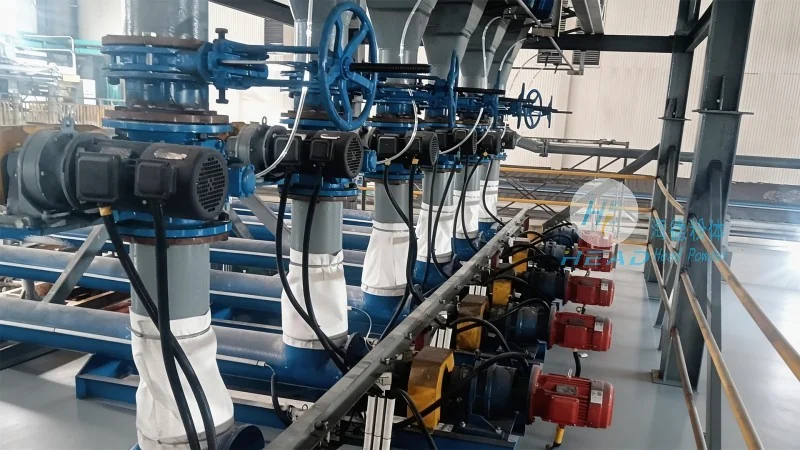
Conclusion and Company Overview
HeadPowder Engineering Co., Ltd., based in Shandong, China, is committed to providing innovative and reliable solutions for PVC powder conveying. With years of experience in the industry, the company has developed a deep understanding of the unique requirements of PVC materials and has tailored its products to meet the diverse needs of its clients. By focusing on the core principles of efficient material handling and addressing common challenges, HeadPowder ensures that its conveying systems deliver consistent performance and contribute to the overall success of industrial operations. Whether for manufacturing, processing, or recycling, the company's solutions are designed to enhance productivity, improve safety, and maintain the quality of PVC powders throughout the conveying process.