

Principles and Working Scene Characteristics of Bulk Material Conveying in Silos
HeadPowder, a leading engineering firm based in Shandong, China, specializes in the design and implementation of efficient bulk material conveying solutions for silo applications. The company's expertise lies in understanding the fundamental principles that govern the movement of powders and granular materials within storage silos, ensuring optimal performance and reliability in industrial settings. This article delves into the core principles of silo bulk material conveying and highlights the key characteristics of working scenarios where such systems are deployed.
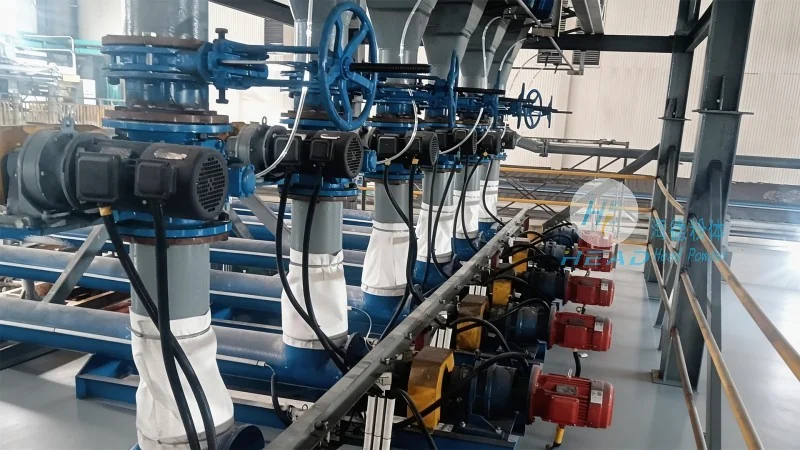
Principles of Bulk Material Conveying in Silos
The primary principle behind silo bulk material conveying is the controlled movement of powders or granular materials from a storage silo to a processing or discharge point. This process relies on several key mechanisms, including gravity, pneumatic pressure, and mechanical force. In gravity-based systems, materials flow from the top of the silo to the outlet due to the force of gravity, making them suitable for applications where the silo is elevated and the material is relatively free-flowing. Pneumatic conveying systems, on the other hand, use compressed air to transport materials through a pipeline network, enabling the movement of materials over longer distances and with greater control over flow rates. Mechanical conveying systems, such as screw conveyors or bucket elevators, utilize rotating components to move materials, providing flexibility in handling different material properties and flow characteristics.
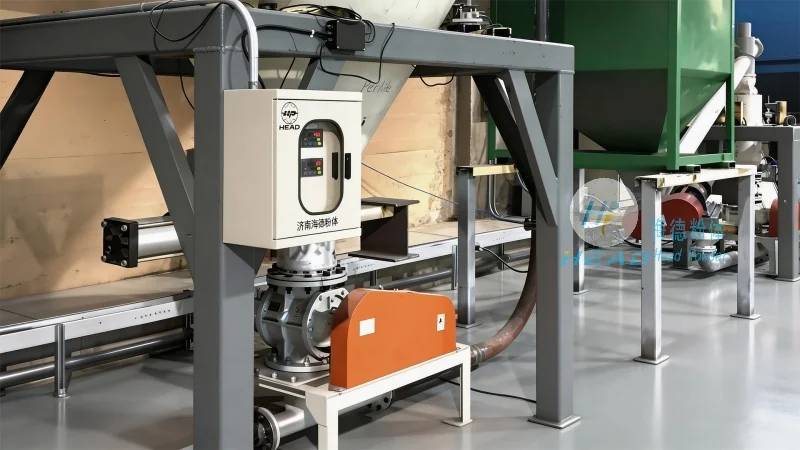
Working Scene Characteristics of Silo Conveying Systems
The working scene characteristics of silo bulk material conveying systems are influenced by several factors, including the type of material being handled, the silo design, and the operational requirements of the industrial process. For instance, in food processing facilities, conveying systems must adhere to strict hygiene standards, with materials like flour or sugar requiring gentle handling to prevent degradation or contamination. In contrast, in chemical or mining industries, systems may need to handle abrasive or corrosive materials, necessitating robust construction and specialized components to ensure durability and safety. The scale of the operation also plays a critical role; large-scale industrial plants may require multiple silos and integrated conveying networks to manage high material throughput, while smaller facilities might use single-silo systems with simpler conveying setups. Additionally, the environmental conditions, such as temperature and humidity, can impact the performance of the conveying system, as materials may become sticky or clumpy under certain conditions, affecting flow rates and system efficiency.
Applications and Industry-Specific Considerations
Silo bulk material conveying systems are widely used across various industries, including food and beverage, pharmaceuticals, chemicals, and mining. Each industry presents unique challenges and requirements that must be addressed in the system design. For example, in the pharmaceutical industry, conveying systems must maintain aseptic conditions and prevent cross-contamination, often incorporating stainless steel components and closed-loop systems. In the chemical industry, systems may need to handle hazardous materials, requiring explosion-proof designs and proper ventilation to ensure worker safety. The mining industry, particularly in the handling of bulk ores and minerals, relies on heavy-duty conveying systems capable of withstanding high wear and tear, with materials like rubber or special alloys used for the construction of components. Furthermore, the integration of automation and control systems in modern silo conveying solutions enhances operational efficiency, allowing for real-time monitoring of flow rates, pressure, and material levels, and enabling automated adjustments to maintain optimal performance.
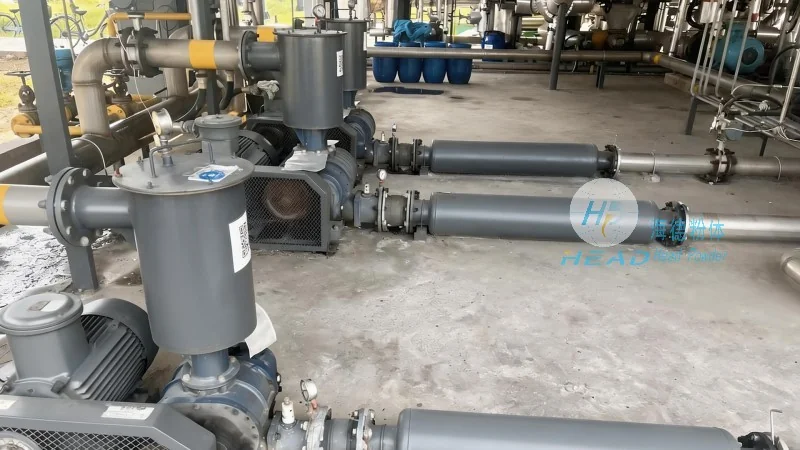
Key Features and Advantages of HeadPowder's Solutions
HeadPowder Engineering Co., Ltd., with its headquarters in Shandong, China, offers comprehensive solutions for silo bulk material conveying, tailored to meet the specific needs of each client. The company's approach focuses on understanding the unique characteristics of the material, the operational environment, and the client's production goals to design systems that are both efficient and reliable. Key features of HeadPowder's solutions include advanced material flow control, which ensures consistent and controlled discharge from silos, reducing the risk of overfilling or underfilling. The use of high-quality materials and components, such as stainless steel and corrosion-resistant alloys, enhances the longevity of the system and minimizes maintenance requirements. Additionally, the integration of monitoring and control technologies allows for real-time data collection and analysis, enabling proactive maintenance and optimization of system performance. The company's expertise in customizing systems to fit specific silo designs and material properties ensures that clients receive solutions that are tailored to their unique operational needs, providing a competitive edge in their respective industries.