

Principles and Application Scenarios of Barium Carbonate Powder Handling and Transport
Barium carbonate, a widely used inorganic chemical, is often handled and transported in powder form for various industrial applications. The efficient and safe management of barium carbonate powder is crucial for ensuring operational efficiency and compliance with safety standards. This article explores the fundamental principles underlying the handling and transport of barium carbonate powder, as well as the key characteristics of its application scenarios, with a focus on the expertise of Shandong HeadPowder Engineering Co., Ltd.
Introduction to Barium Carbonate Powder Handling
Barium carbonate (BaCO₃) is a white crystalline powder with a density of approximately 4.44 g/cm³. It is commonly used in industries such as glass manufacturing, ceramics, and as a precursor in the production of other barium compounds. The physical properties of barium carbonate, including its fine particle size and relatively high density, necessitate specialized handling and transport methods to prevent agglomeration, dust generation, and material loss. The company, Shandong HeadPowder Engineering Co., Ltd., specializes in providing tailored solutions for such powder handling challenges.
Core Principles of Powder Handling and Transport
The primary principles for handling and transporting barium carbonate powder revolve around maintaining material integrity, minimizing dust exposure, and ensuring process efficiency. Key considerations include:
- Containment and Dust Control: Barium carbonate is a fine powder that can easily generate dust during handling. Proper containment systems, such as sealed hoppers, dust collection systems, and enclosed conveyor belts, are essential to prevent inhalation risks and environmental contamination. This aligns with global occupational safety standards and environmental regulations.
- Flow Promotion: To ensure smooth material flow, anti-stick and anti-caking agents may be used, or the powder may be pre-conditioned with moisture to improve flowability. This is critical for preventing blockages in pipelines and silos, which can lead to costly downtime in industrial operations.
- Material Compatibility: The equipment used for handling barium carbonate must be compatible with the material. Materials like stainless steel or special alloys are often preferred to avoid chemical reactions or corrosion. This is particularly important in high-temperature environments like glass furnaces.
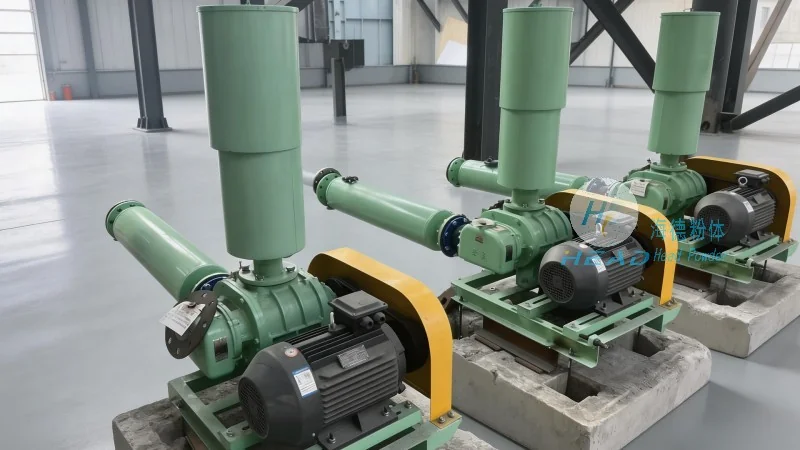
- Energy Efficiency: Efficient transport systems, such as pneumatic conveying or mechanical screw conveyors, are employed to minimize energy consumption while maintaining material integrity. The selection of the right conveying method depends on factors like material volume, distance, and operational requirements.
Application Scenarios and Operational Environments
The handling and transport of barium carbonate powder vary significantly across different industrial settings. Understanding these scenarios is vital for selecting the appropriate equipment and processes.
1. Glass Manufacturing Plants
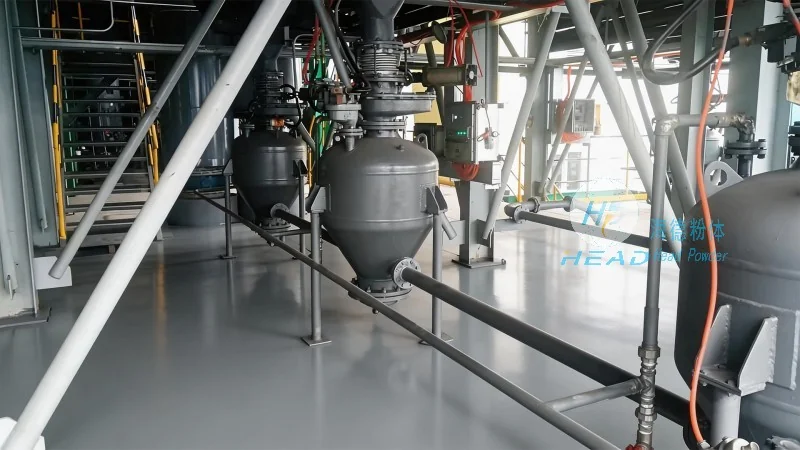
In glass production, barium carbonate is used as a flux to lower the melting point of silica and improve the optical properties of the glass. The powder is typically stored in large bulk containers and transported via pneumatic systems or belt conveyors to the melting furnaces. The operational environment in glass plants involves high temperatures and continuous material flow, requiring robust equipment that can withstand thermal stress and maintain consistent material feed rates. Shandong HeadPowder Engineering Co., Ltd. has extensive experience in designing and implementing such systems for glass manufacturers in China.
2. Ceramic and Tile Production Facilities
Barium carbonate is incorporated into ceramic and tile formulations to enhance their whiteness and opacity. The powder is often mixed with other raw materials in large mixing tanks and then transported to kilns for firing. The process in ceramic plants emphasizes uniform mixing and precise dosing, which is achieved through controlled conveyor systems and dosing equipment. The company's expertise in customizing mixing and dosing solutions ensures optimal performance in these applications.
3. Chemical Manufacturing and Processing Plants
Barium carbonate serves as an intermediate in the production of other barium compounds, such as barium sulfate and barium chloride. In chemical processing plants, the powder is processed in reactors and then transported to downstream units for further chemical reactions. The handling in these facilities involves careful control of moisture and temperature to prevent unwanted reactions and material degradation. The company provides specialized equipment for handling reactive powders, ensuring safety and efficiency.
4. Mining and Mineral Processing Operations
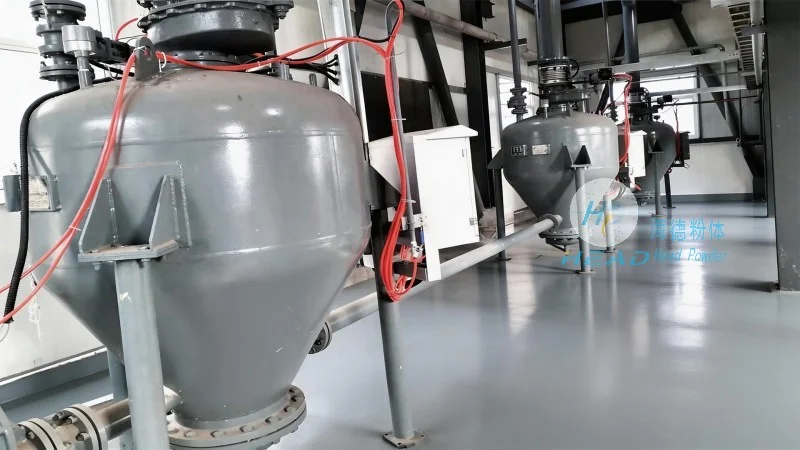
In some mining operations, barium carbonate is extracted from ores and then processed into a fine powder for downstream applications. The transport in mining sites often involves bulk handling systems, such as trucks and conveyor belts, to move the powder from extraction sites to processing plants. The operational environment in mining is characterized by rugged terrain and high material volumes, requiring durable and reliable transport solutions. Shandong HeadPowder Engineering Co., Ltd. has successfully implemented bulk handling solutions in mining operations across China.
Key Considerations for Safe and Efficient Handling
Ensuring the safety and efficiency of barium carbonate powder handling requires adherence to several best practices. These include regular maintenance of equipment to prevent malfunctions, proper training of personnel on handling procedures, and compliance with occupational safety and environmental regulations. Additionally, monitoring the flow rate and pressure in transport systems helps detect potential blockages or leaks early, minimizing downtime and material loss. The company emphasizes proactive maintenance and staff training as part of its service offerings.
Conclusion
The handling and transport of barium carbonate powder is a critical process in various industrial applications. By understanding the fundamental principles and application scenarios, industries can select appropriate equipment and processes to ensure safe, efficient, and cost-effective material management. The expertise of companies like Shandong HeadPowder Engineering Co., Ltd. in powder handling technology plays a vital role in optimizing these processes for different operational environments. With its headquarters in Shandong, China, the company leverages local industrial knowledge and advanced engineering to provide tailored solutions for the diverse needs of barium carbonate powder handling across various sectors.