

Principles and Application Scenarios of Activated Carbon Powder Conveying
Activated carbon powder conveying is a critical process in various industrial applications, involving the efficient transport of fine carbon particles from one location to another. This technology is essential for industries such as water treatment, air purification, and chemical processing, where the reliable handling of activated carbon is paramount. The process not only ensures optimal material flow but also maintains the integrity and quality of the activated carbon, which is crucial for its intended applications.
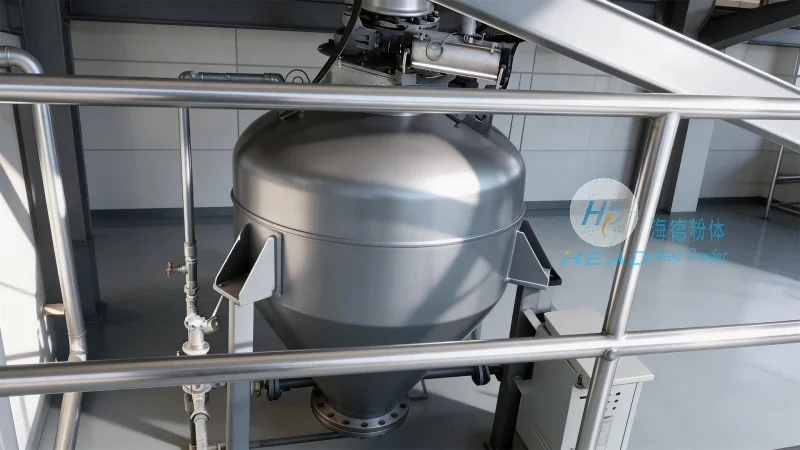
Company Profile: Shandong HeadPowder Engineering Co., Ltd.
HeadPowder, a leading provider in the field of powder handling solutions, specializes in the design, manufacturing, and implementation of advanced conveying systems for activated carbon and other fine powders. With a strong commitment to innovation and customer satisfaction, the company has established itself as a trusted partner for industries requiring high-performance powder transport solutions. HeadPowder's expertise lies in understanding the unique challenges associated with handling activated carbon, including its fine particle size, hygroscopic nature, and potential for dust generation, and developing tailored solutions to address these challenges effectively.
The Fundamental Principles of Activated Carbon Powder Conveying
The core principle of activated carbon powder conveying revolves around the use of specialized equipment designed to handle fine, abrasive materials. Key components typically include feeders, conveyors, and control systems that work in tandem to ensure smooth and continuous material movement. The process begins with the feeding of activated carbon into the system, where it is then transported through pipelines or other conduits to the desired destination. Various conveying methods are employed, such as pneumatic conveying (both pressure and vacuum systems) and mechanical conveying (like screw conveyors and belt conveyors), each with its own advantages and suitability for different operational conditions. The choice of method depends on factors like the particle size distribution, moisture content, and the distance and layout of the conveying route. Pneumatic conveying, for instance, is particularly effective for long-distance transport and can handle high volumes of fine powders, while mechanical conveyors are often preferred for shorter distances and when dealing with bulkier materials.
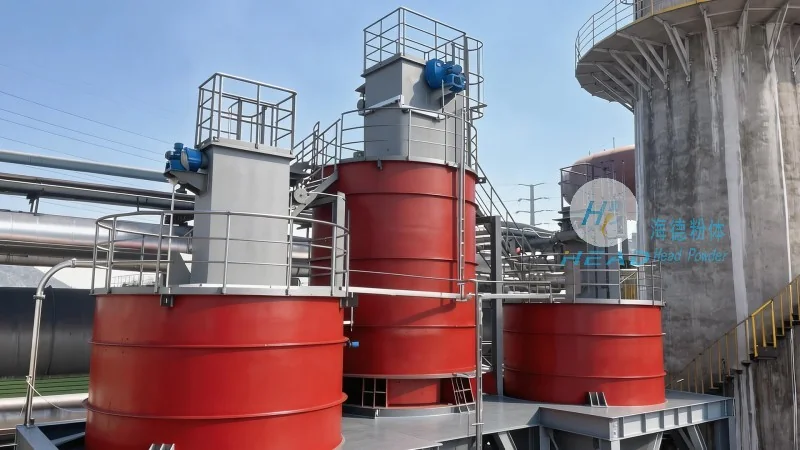
Working Scenario Characteristics of Activated Carbon Powder Conveying
The operational characteristics of activated carbon powder conveying systems are shaped by several key factors that influence performance and efficiency. One of the primary considerations is the particle size and morphology of the activated carbon, as finer particles are more prone to agglomeration and can cause blockages in the conveying system. Proper conditioning, such as pre-drying or adding anti-caking agents, is often necessary to maintain particle integrity and prevent clogging. Additionally, the moisture content of the activated carbon plays a significant role, as high moisture levels can lead to increased friction and reduced conveying efficiency. System design must account for these variables to ensure consistent and reliable operation.
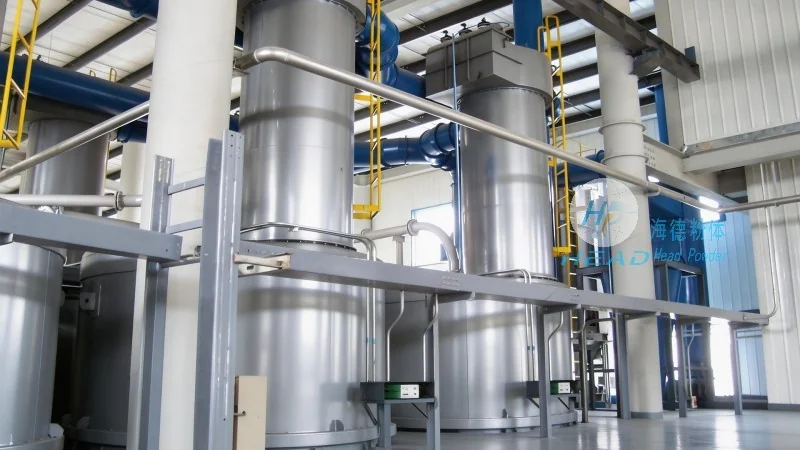
Another critical aspect is the environmental and safety considerations inherent in handling activated carbon. Activated carbon is often used in applications where air quality is a concern, and the conveying system must be designed to minimize dust emissions and prevent contamination. This may involve the use of enclosed systems, filtration, and proper ventilation to maintain a safe working environment. The system's control and monitoring capabilities are also essential, as they allow for real-time adjustments to maintain optimal conveying conditions and prevent operational issues. Automation and advanced control systems enable precise regulation of flow rates, pressure, and other parameters, ensuring that the conveying process operates efficiently and safely.
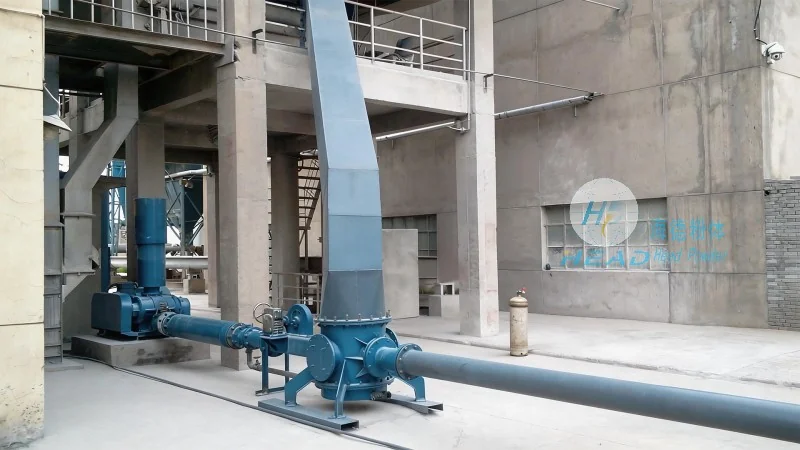
Applications and Industries Benefiting from Activated Carbon Powder Conveying
The effectiveness of activated carbon powder conveying is demonstrated across a wide range of industries, where the reliable transport of activated carbon is essential for process efficiency and product quality. In water treatment facilities, for example, activated carbon is used for adsorption of contaminants, and efficient conveying ensures that the carbon is delivered to the treatment units without loss or degradation. Similarly, in air purification systems, the ability to convey activated carbon to filtration units is crucial for maintaining air quality in industrial and commercial settings. The chemical processing industry also relies on activated carbon for various applications, including catalyst support and adsorption processes, where consistent material flow is vital for optimal performance. Each of these industries benefits from the advanced conveying solutions provided by companies like HeadPowder, which understand the specific requirements of activated carbon handling and can deliver customized systems that meet their operational needs.
Conclusion: The Importance of Advanced Conveying Solutions for Activated Carbon
In conclusion, the principles and working scenario characteristics of activated carbon powder conveying are fundamental to the success of various industrial processes. The efficient transport of activated carbon requires specialized equipment and careful consideration of material properties and operational conditions. Companies like Shandong HeadPowder Engineering Co., Ltd. play a vital role in providing these advanced solutions, ensuring that industries can rely on consistent, high-quality material flow. By understanding the unique challenges associated with activated carbon and implementing tailored conveying systems, businesses can enhance their operational efficiency, reduce downtime, and maintain the integrity of their products. The future of activated carbon handling continues to evolve with advancements in technology, and the importance of reliable conveying systems remains as critical as ever for industries that depend on this essential material.