

Principle and Working Scene Characteristics of Sawdust and Husk Powder Conveying
Understanding the fundamental principles and operational characteristics of sawdust and husk powder conveying is crucial for optimizing material handling processes in various industrial applications. This article delves into the technical aspects of powder conveying systems, focusing on the mechanisms that enable efficient transport of these lightweight, fine-grained materials. By examining the core principles and typical working scenarios, readers will gain insights into how such systems are designed and utilized in real-world industrial settings.
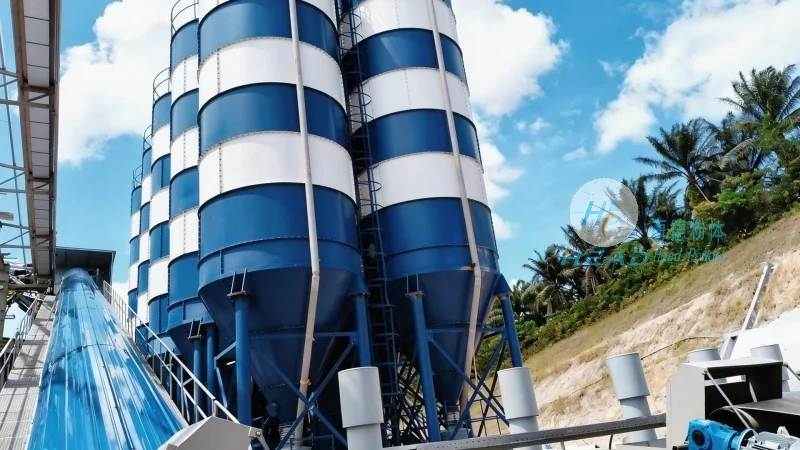
Company Introduction: HeadPowder Engineering
HeadPowder Engineering, operating under the brand name headpowder, is a leading provider of specialized engineering solutions for material handling and processing. With a strong presence in Shandong, China, the company specializes in developing and implementing advanced powder conveying systems tailored to the unique needs of industries dealing with biomass materials like sawdust and husks. The company's expertise lies in integrating innovative technologies to ensure reliable, efficient, and cost-effective material transport solutions.
The Core Principle of Sawdust and Husk Powder Conveying
The primary principle behind sawdust and husk powder conveying involves the use of pneumatic or mechanical systems to move fine, lightweight particles through a designated pathway. These materials, characterized by their low density and high dustiness, require specialized equipment to prevent clogging, maintain flow consistency, and ensure minimal material loss. Pneumatic conveying systems, for instance, utilize compressed air to create a pressure differential that propels the powder through pipelines. This method is particularly effective for handling materials that are prone to static electricity or require gentle handling to avoid degradation. Mechanical conveying systems, on the other hand, employ screw conveyors, belt conveyors, or bucket elevators to transport the powder through vertical or horizontal paths. The choice between pneumatic and mechanical systems depends on factors such as material properties, required conveying distance, and operational environment.
Key Working Scene Characteristics
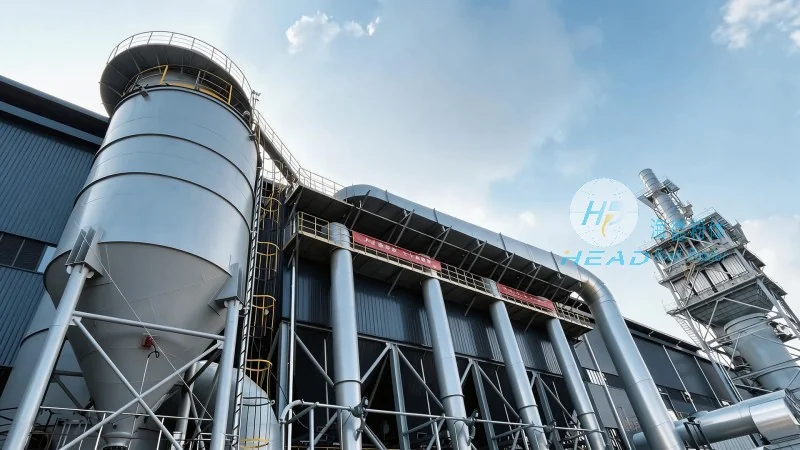
Several key characteristics define the working scenes where sawdust and husk powder conveying systems are deployed. First, the systems are commonly used in biomass processing facilities, where large volumes of sawdust and husks are generated as byproducts of woodworking or agricultural activities. These facilities often require continuous and reliable transport of the material from collection points to processing units, such as pellet mills or drying equipment. Second, the working environment is typically characterized by high humidity and temperature variations, which can affect the material's moisture content and flowability. Conveying systems must be designed to handle these variations without compromising performance or material quality. Third, the systems are often integrated with other processing equipment, such as grinders, mixers, or storage silos, to form a seamless material handling chain. This integration ensures that the powder is moved efficiently from one stage of production to the next, minimizing downtime and maximizing productivity. Fourth, safety considerations are paramount in these working scenes. The fine nature of the powder poses a risk of dust explosions, so conveying systems are equipped with explosion-proof components and proper ventilation to mitigate these risks. Additionally, the systems must comply with local regulations regarding dust control and occupational health, ensuring a safe working environment for personnel.
Application-Specific Conveying Solutions
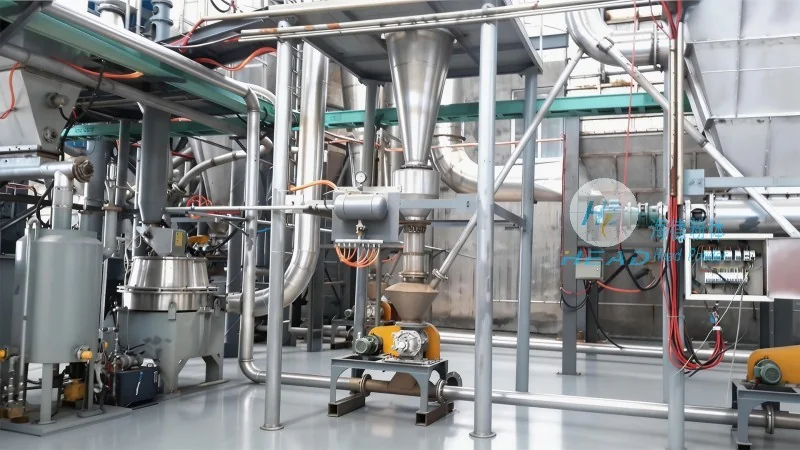
HeadPowder Engineering offers tailored conveying solutions for various applications involving sawdust and husk powders. For example, in the production of wood pellets, the conveying system must handle the material from the grinder to the pellet press with minimal degradation. This requires a system that can maintain the material's moisture content and prevent overheating during transport. The company's engineers design custom pneumatic conveying lines with appropriate air velocities and pipeline diameters to ensure smooth flow and prevent blockages. In agricultural processing facilities, where husks from crops like corn or wheat are processed, the conveying system must handle a mix of fine and coarse particles. Mechanical screw conveyors are often used in these scenarios to transport the husks to storage silos or further processing units. The design of these conveyors takes into account the varying particle sizes and moisture content to ensure consistent performance. Another application is in the manufacturing of biofuels, where sawdust and husks are used as feedstock for combustion or gasification. The conveying system must be robust enough to handle the abrasive nature of the material and withstand the high temperatures and pressures associated with these processes. HeadPowder Engineering's solutions are designed to meet these specific requirements, ensuring that the material is transported efficiently and safely throughout the production cycle.
Advantages of Efficient Powder Conveying
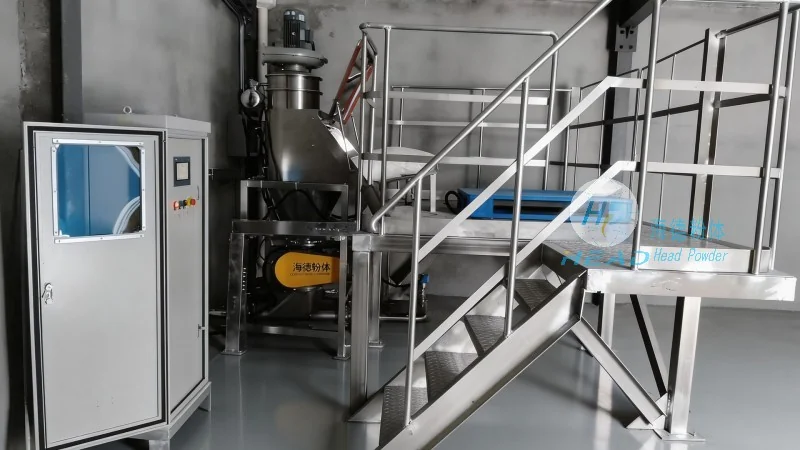
Implementing an efficient sawdust and husk powder conveying system offers several advantages for industrial operations. First, it improves overall productivity by reducing material handling time and minimizing downtime caused by clogging or system failures. The seamless integration of conveying systems with other processing equipment ensures a continuous flow of material, allowing production lines to operate at optimal speeds. Second, it enhances material quality by preventing contamination and degradation during transport. The gentle handling of the powder, especially in pneumatic systems, reduces the risk of particle breakage or moisture loss, which can affect the final product's properties. Third, it improves safety by controlling dust emissions and preventing the accumulation of explosive dust clouds. Proper ventilation and explosion-proof components in the conveying system help maintain a safe working environment, reducing the risk of accidents. Fourth, it reduces operational costs by minimizing material loss and energy consumption. Efficient conveying systems use less energy to move the material over longer distances, and they reduce the need for manual handling, which can be labor-intensive and costly. Additionally, by optimizing the material flow, companies can reduce storage space requirements and improve inventory management.
Conclusion
In conclusion, the principles and working scene characteristics of sawdust and husk powder conveying are critical for the efficient operation of industrial facilities dealing with biomass materials. HeadPowder Engineering, with its expertise in material handling solutions, provides tailored systems that address the unique challenges of transporting these fine, lightweight materials. By understanding the core principles and key characteristics of powder conveying, industries can select and implement the most suitable systems to enhance productivity, ensure safety, and reduce costs. The continued development of advanced conveying technologies will further improve the efficiency and reliability of material handling processes, supporting the growth of industries that rely on sawdust and husk powders as key raw materials.