

Principle and Working Scene Characteristics of Cement Clinker Powder Conveying Systems
Understanding the fundamental principles and operational characteristics of cement clinker powder conveying systems is crucial for optimizing material handling in industrial settings. These systems are designed to efficiently transport bulk cement clinker, a critical component in cement production, from storage silos or production lines to various processing units. The technology behind such systems combines mechanical engineering principles with material flow dynamics to ensure reliable, low-loss, and high-capacity transport. This article, presented by Shandong HeadPowder Engineering Co., Ltd. (headpowder), delves into the core mechanisms of these systems and highlights key working scene characteristics that define their application in real-world industrial environments.
Key Components and Working Principle
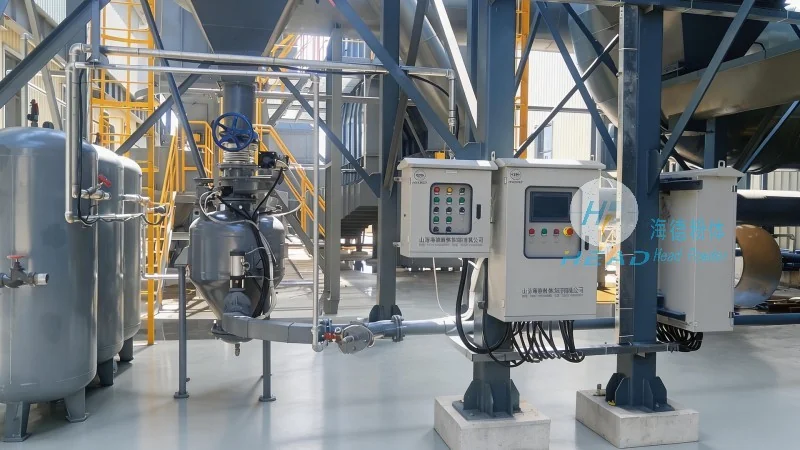
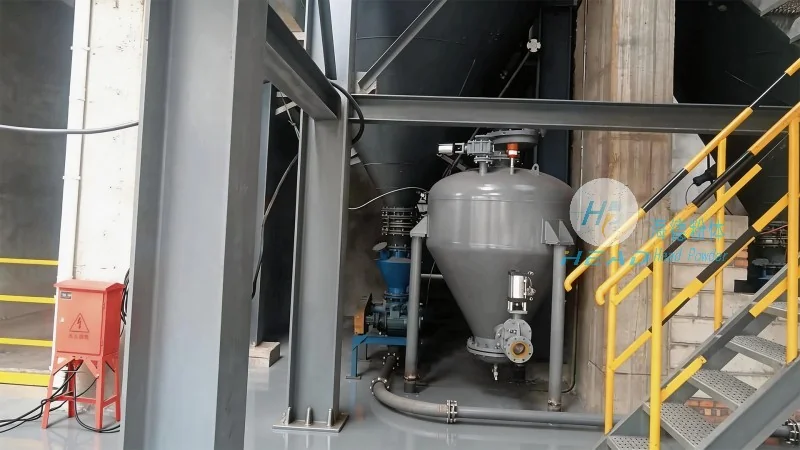
The operation of cement clinker powder conveying systems relies on a series of interconnected components that work in tandem to achieve effective material transport. At the heart of the system is the material feed mechanism, which typically includes a hopper or feeder that regulates the flow of clinker from the source. This is followed by a conveying device, such as a pneumatic or mechanical conveyor, that moves the material through the system. Pneumatic conveying systems, for instance, utilize compressed air to create a pressure differential that propels the clinker particles through pipelines. Mechanical conveyors, on the other hand, employ rotating components like screws or belts to transport the material. The system also includes control valves, sensors, and monitoring equipment to ensure precise regulation of flow rates and pressure. The working principle is centered on maintaining a consistent material flow while minimizing energy consumption and material degradation. By integrating these components, the system ensures that cement clinker is transported efficiently and safely, meeting the demands of modern cement production processes.
Working Scene Characteristics and Applications
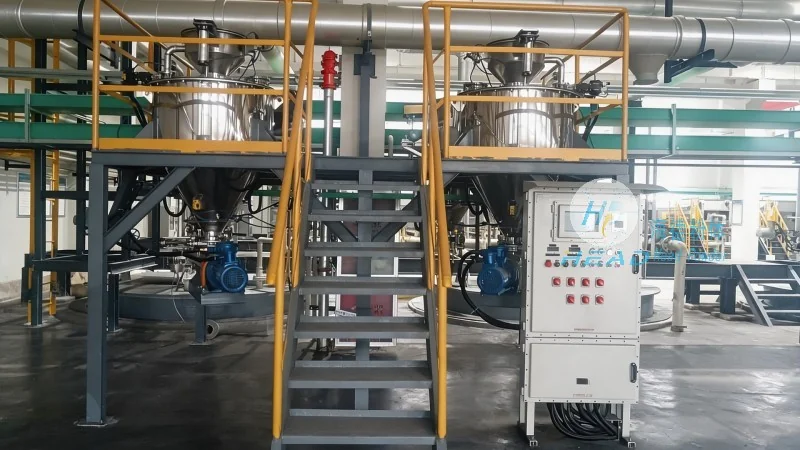
The working scene characteristics of cement clinker powder conveying systems are tailored to meet the specific requirements of different industrial environments. In cement manufacturing plants, these systems are commonly used to transfer clinker from storage silos to grinding units or packaging facilities. The key characteristics include high capacity, low maintenance, and the ability to handle abrasive materials without causing excessive wear. The systems are designed to operate in harsh conditions, such as high temperatures and dust environments, which are prevalent in cement production. Another important characteristic is the flexibility to adapt to varying production rates, allowing for seamless integration with other production processes. In addition, the systems are often equipped with dust control measures to ensure compliance with environmental regulations. The working scene also includes considerations for space constraints, as many cement plants have limited floor space. The systems are designed to be compact and modular, allowing for easy installation and expansion. These characteristics make cement clinker powder conveying systems suitable for a wide range of applications, from small-scale production lines to large-scale industrial facilities.
Advantages and Practical Considerations
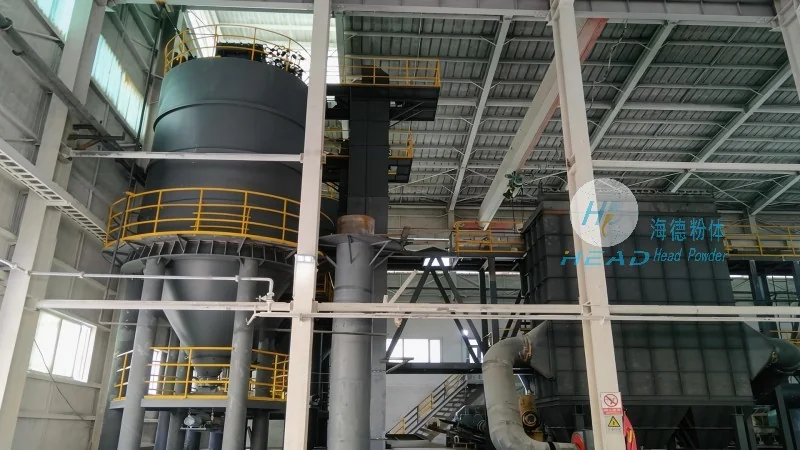
Implementing cement clinker powder conveying systems offers several advantages that enhance operational efficiency and reduce costs. One of the primary benefits is the reduction in material loss and dust generation, which improves safety and environmental compliance. The systems also contribute to energy savings by optimizing the use of compressed air or mechanical power. Another advantage is the ability to maintain consistent material quality, as the system minimizes exposure to external contaminants. Practical considerations, however, include the need for regular maintenance to ensure optimal performance. This includes cleaning of pipelines, replacement of worn components, and calibration of control systems. The systems also require proper training for operators to handle potential issues such as blockages or pressure fluctuations. Additionally, the choice between pneumatic and mechanical conveyors depends on factors like material characteristics, distance, and budget. Pneumatic systems are generally more suitable for long-distance transport, while mechanical systems are preferred for shorter distances or when handling highly abrasive materials. Overall, the advantages of cement clinker powder conveying systems make them a vital component in modern cement production, contributing to improved productivity and sustainability.