

Principle and Working Scene Characteristics of Continuous Quantitative Powder Handling Equipment
Continuous quantitative powder handling equipment is a specialized system designed to transport and measure powders in a continuous flow. This technology is crucial in industries where precise and consistent powder delivery is essential for production processes. The equipment operates by integrating feeding, conveying, and metering mechanisms to ensure accurate and reliable powder transfer. By understanding its core principles and typical application scenarios, users can better appreciate its role in modern industrial operations.
Core Principles of the Equipment
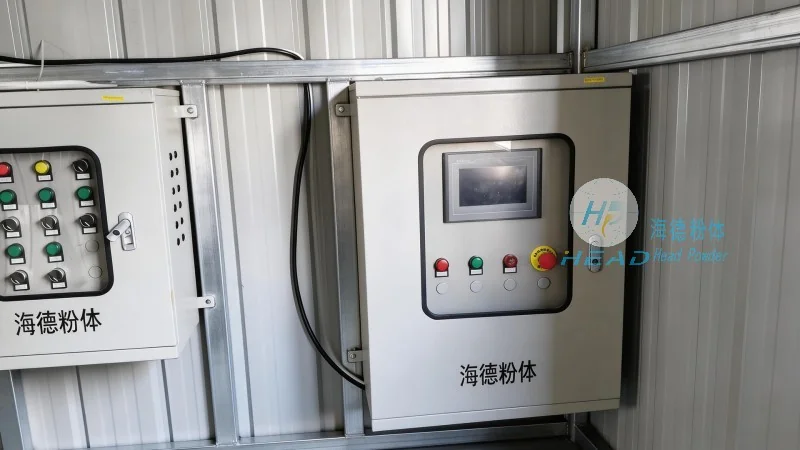
The fundamental principle of continuous quantitative powder handling equipment revolves around the precise control of powder flow rate. It typically consists of components such as a hopper for material storage, a feeder to regulate the initial flow, and a conveyor system to transport the powder to the discharge point. The metering unit, often integrated with sensors or variable speed drives, ensures that the output matches the required dosage. This closed-loop system allows for real-time adjustments, maintaining consistent performance even under varying material conditions or operational demands. The design emphasizes efficiency, minimizing material loss and energy consumption while maximizing throughput accuracy.
Working Scene Characteristics and Application Scenarios
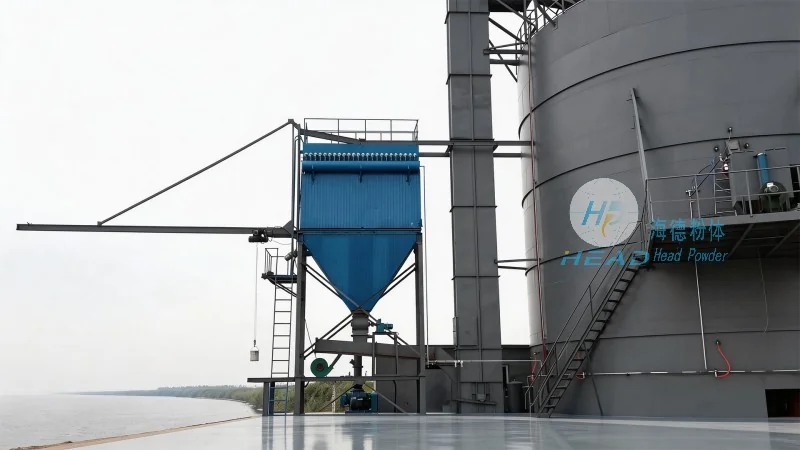
Continuous quantitative powder handling equipment is widely used across various industrial sectors, each with distinct operational requirements. In pharmaceutical manufacturing, for example, the equipment ensures that active pharmaceutical ingredients (APIs) are delivered with high precision, meeting stringent regulatory standards for dosage consistency. In food processing, it facilitates the accurate addition of ingredients like flour, sugar, or spices to maintain product quality and flavor uniformity. The equipment is also essential in chemical and mineral processing industries, where it handles raw materials such as minerals, fertilizers, or chemicals, ensuring proper blending and processing. The working scene characteristics include high demand for accuracy, often in high-volume production lines, and the need for easy integration with existing production systems. Additionally, the equipment is designed to handle a wide range of powder properties, from fine powders that are prone to caking to coarse materials that require robust handling mechanisms.
Key Features and Advantages
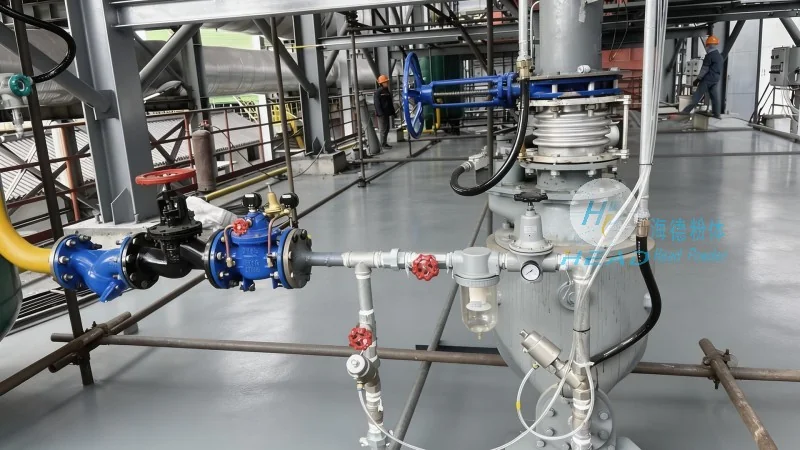
Several key features make continuous quantitative powder handling equipment a preferred choice in industrial applications. The integration of advanced control systems allows for automated operation, reducing the need for manual intervention and minimizing human error. The equipment is built with durable materials to withstand harsh operating conditions, including high temperatures or corrosive environments. Its modular design enables easy maintenance and component replacement, extending the equipment's service life. The ability to handle different powder types and flow rates makes it versatile, adapting to various production needs. Furthermore, the equipment's compact footprint and energy-efficient operation contribute to cost savings and environmental sustainability. These features collectively enhance operational efficiency and product quality, making it a valuable asset in modern manufacturing environments.
Conclusion
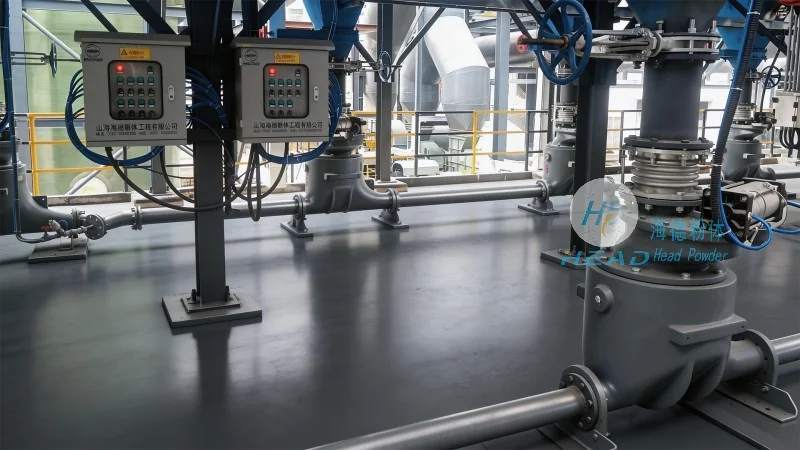
Continuous quantitative powder handling equipment plays a vital role in industries requiring precise and consistent powder transfer. By leveraging advanced technology and robust design, it ensures reliable performance across diverse application scenarios. The equipment's ability to adapt to different material properties and operational conditions makes it an indispensable tool for manufacturers seeking to maintain high standards of product quality and efficiency. As industrial demands continue to evolve, the continued development and refinement of such equipment will remain critical in supporting production processes and meeting market requirements.