

Principle and Working Scene Characteristics of Dry Powder Mortar Powder Conveying Machine
Dry powder mortar powder conveying machines are essential equipment in the construction industry, designed to efficiently transport dry powder materials such as mortar, cement, and other fine powders. These machines play a crucial role in ensuring the smooth operation of production lines and construction sites by providing reliable and efficient material handling solutions. The following content will explore the fundamental principles behind these machines and the specific working scene characteristics that define their application in various industrial settings.
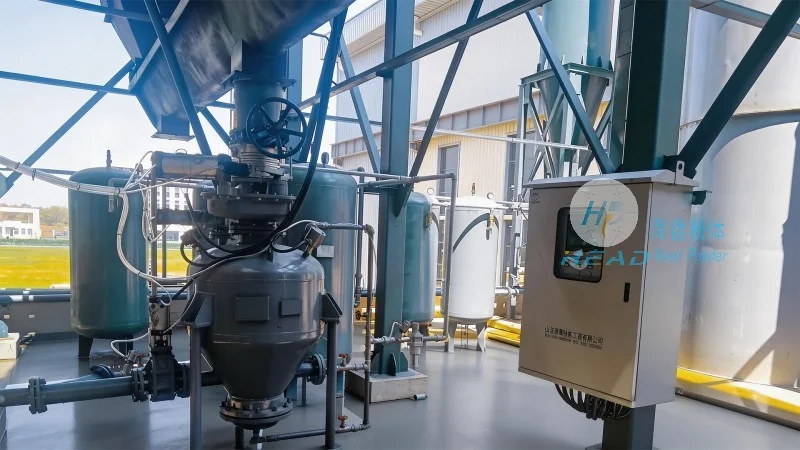
Core Working Principle of Dry Powder Mortar Powder Conveying Machines
The operation of dry powder mortar powder conveying machines is based on the principle of pneumatic conveying, which utilizes compressed air to move dry powder materials through a pipeline system. The machine typically consists of a hopper for material storage, a blower or air compressor to generate the necessary air pressure, and a pipeline network that transports the powder from the source to the destination. The key components include the feeding system, which ensures a consistent flow of powder into the conveying line, the air distribution system that maintains optimal air flow rates, and the control system that regulates the entire conveying process. By creating a pressure differential between the inlet and outlet of the pipeline, the machine can effectively move the powder without the need for mechanical components that might cause wear or blockages. This pneumatic approach not only enhances the efficiency of material transport but also reduces the risk of material degradation or contamination, making it suitable for a wide range of construction applications.
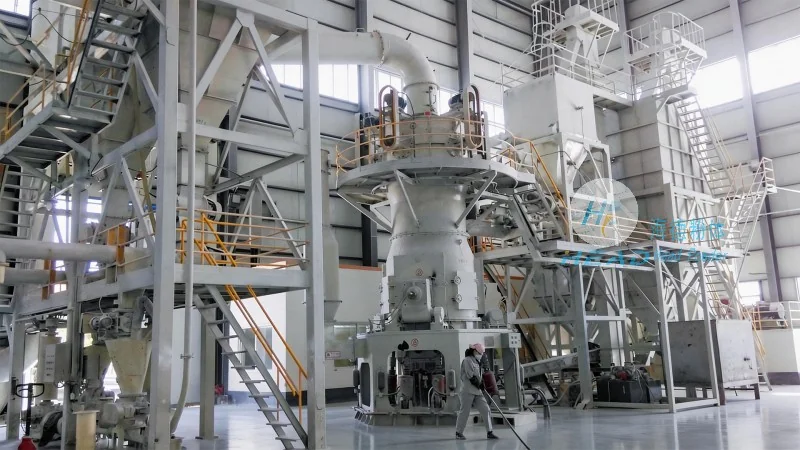
Key Working Scene Characteristics and Applications
Dry powder mortar powder conveying machines are widely used in various working scenes, each with distinct characteristics that influence their design and functionality. In construction sites, these machines are often employed to transport mortar and cement from storage silos or mixing stations to the work area, ensuring a continuous supply of materials for building projects. The working scene characteristics in this context include the need for high material throughput, as large volumes of mortar are required for concrete production and wall construction. Additionally, the machines must be able to handle different powder types, such as Portland cement, fly ash, and lime, which may have varying particle sizes and moisture content. This adaptability is crucial for maintaining the quality of the final construction product and preventing issues like caking or agglomeration during transport.
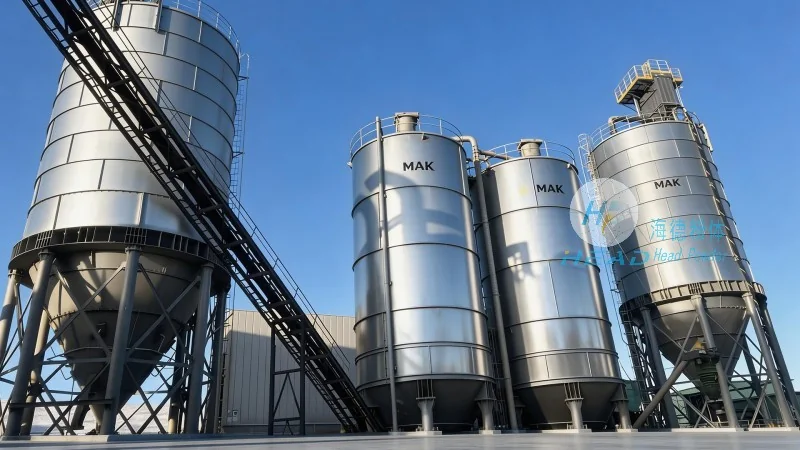
Industrial Production Lines and Material Handling
In industrial production lines, dry powder mortar powder conveying machines are integrated into automated systems to facilitate the transfer of raw materials between different processing stages. For example, in the manufacturing of dry mortar products, these machines can transport the primary ingredients from storage bins to the mixing and packaging units. The working scene characteristics in this setting emphasize the need for precision and consistency in material delivery, as any variations in powder flow can affect the final product's quality and performance. The machines are also designed to operate in environments with high dust levels, as they are equipped with dust collection systems and air filtration units to maintain air quality and comply with safety regulations. This ensures that the conveying process is not only efficient but also safe for operators and the surrounding environment.
Advantages and Benefits in Different Working Scenarios
The use of dry powder mortar powder conveying machines offers several advantages that make them a preferred choice in various working scenes. One of the primary benefits is the reduction in labor costs, as these machines automate the material handling process, eliminating the need for manual loading and unloading of heavy powder containers. This not only increases productivity but also improves workplace safety by minimizing the risk of accidents associated with manual handling. Another advantage is the ability to handle large volumes of material with minimal space requirements, as the pneumatic conveying system uses a compact pipeline network that can be installed in tight spaces without compromising performance. Additionally, the machines are energy-efficient, as they consume less power compared to traditional mechanical conveyors, which contributes to lower operational costs and reduced environmental impact. These benefits make dry powder mortar powder conveying machines suitable for both small-scale construction projects and large-scale industrial operations.
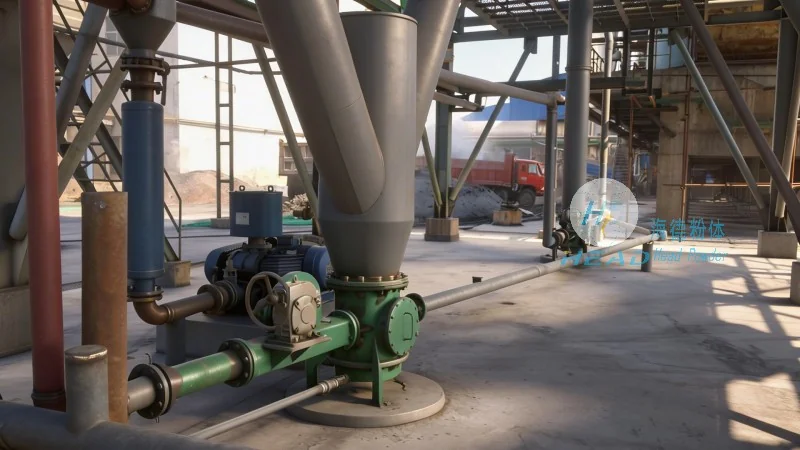
Conclusion and Company Information
Dry powder mortar powder conveying machines are indispensable equipment in the construction and industrial sectors, offering efficient and reliable solutions for the transport of dry powder materials. The working scene characteristics and applications of these machines highlight their versatility and adaptability to different operational needs. As a leading manufacturer in this field, Shandong HeadPowder Engineering Co., Ltd. specializes in providing high-quality conveying machines tailored to the specific requirements of various industries. With a focus on innovation and customer satisfaction, HeadPowder ensures that their products meet the highest standards of performance and durability, contributing to the success of construction projects and industrial production lines worldwide.