

Principles and Working Scene Characteristics of Coal and Coke Material Handling
For industrial operations dealing with coal and coke, efficient material handling is crucial to maintaining productivity and operational safety. The principles and working scene characteristics of coal and coke material handling systems are essential for understanding how these processes are executed in various industrial settings.
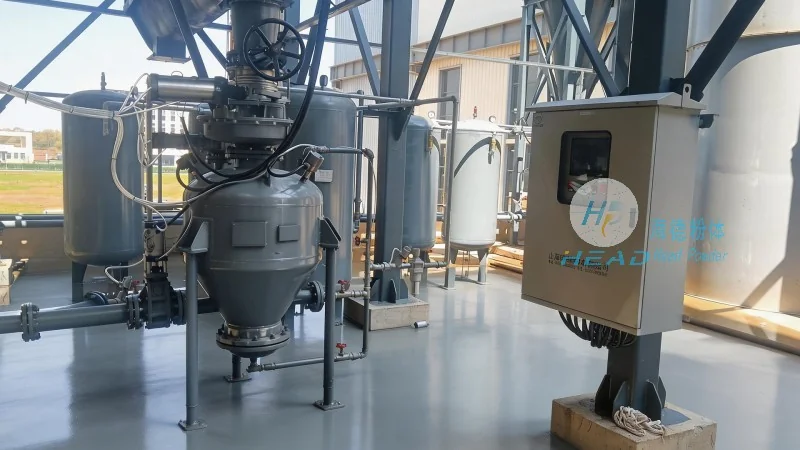
Principles of Coal and Coke Material Handling
The core principles of coal and coke material handling revolve around the efficient movement of bulk materials from one location to another within industrial facilities. This involves the use of specialized equipment designed to handle the unique properties of coal and coke, such as their bulk density, abrasiveness, and tendency to generate dust. The primary goals are to ensure smooth, continuous material flow, minimize downtime, and enhance overall operational efficiency.
Key principles include the selection of appropriate equipment based on material characteristics, the design of systems that can handle varying loads and flow rates, and the implementation of safety measures to prevent accidents and environmental contamination. For example, conveyor systems are commonly used for transporting coal and coke over short to medium distances, while pneumatic conveying systems are suitable for longer distances or when dust control is a priority.
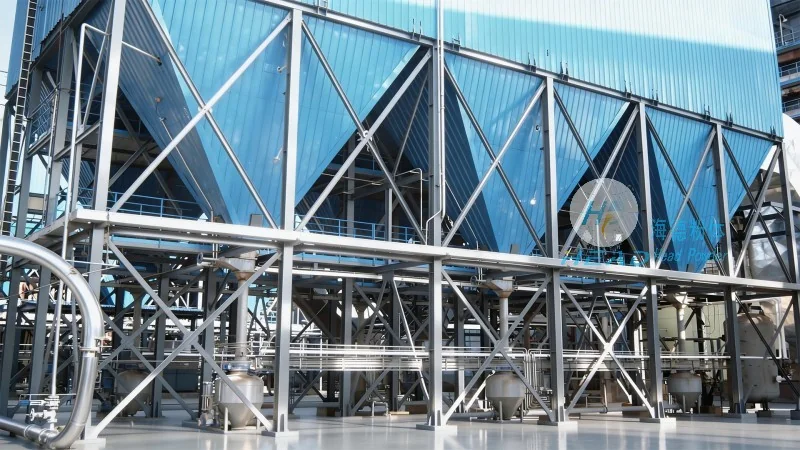
Working Scene Characteristics of Coal and Coke Material Handling
The working scenes where coal and coke material handling is applied vary widely, from mining operations to power plants and steel mills. Each scene presents unique challenges and requirements that influence the choice of equipment and system design.
In mining sites, material handling systems are often integrated with extraction processes, requiring robust equipment that can withstand harsh environmental conditions and heavy loads. The systems must be capable of handling large volumes of raw coal and coke, often in open-pit or underground settings. This involves the use of heavy-duty conveyors, crushers, and screening equipment to process and transport the materials efficiently.
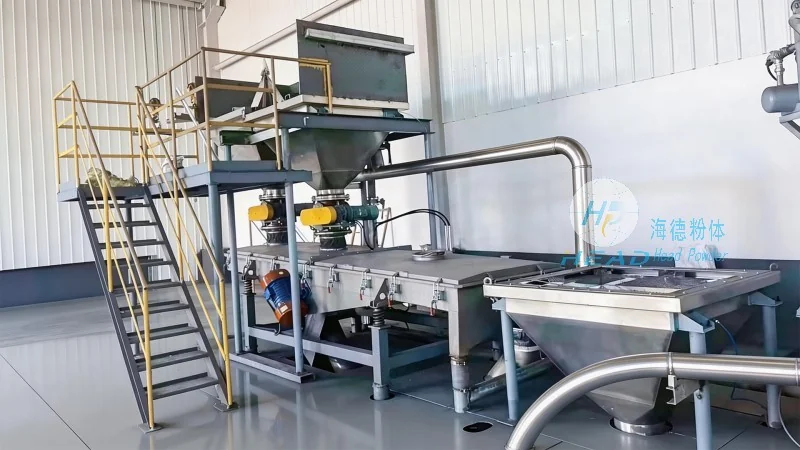
In power plants and steel mills, the focus shifts to the efficient delivery of coal and coke to combustion or reduction processes. Here, the material handling systems need to ensure a steady supply of fuel while maintaining precise control over flow rates and moisture content. This may involve the use of belt conveyors, bucket elevators, and storage silos to manage the material inventory and feeding processes.
In addition, the working scenes may involve the handling of byproducts or waste materials, requiring systems that can handle different material types and ensure proper segregation and disposal. The design of these systems must consider factors such as space constraints, environmental regulations, and the need for dust suppression to minimize health and safety risks.
Company Profile: Shandong HeadPowder Engineering Co., Ltd.
Shandong HeadPowder Engineering Co., Ltd., operating under the brand name headpowder, specializes in the design, manufacturing, and installation of advanced material handling systems tailored for coal and coke applications. With a focus on innovation and customer-centric solutions, the company has established itself as a leading provider in the industry.
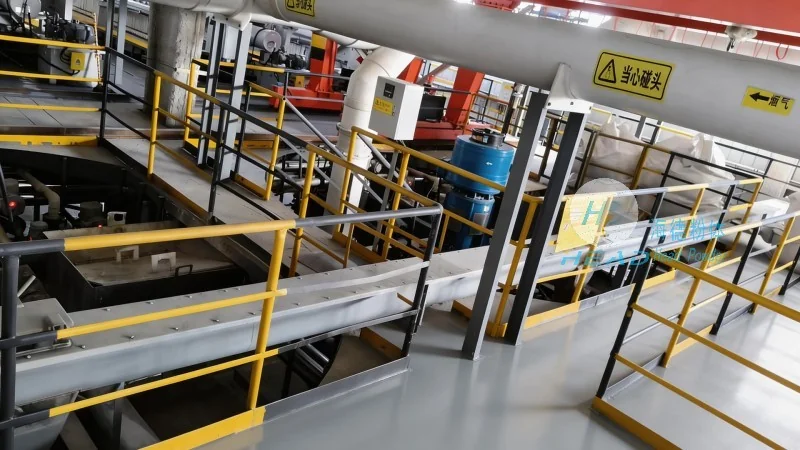
HeadPowder's expertise lies in understanding the specific challenges of coal and coke material handling and developing customized solutions that meet the unique needs of each client. The company's team of engineers and technicians work closely with clients to assess their operational requirements, material characteristics, and site conditions to design systems that optimize performance and reliability.
HeadPowder's facilities are located in Shandong, China, where the company leverages local resources and expertise to deliver high-quality products and services. The company adheres to international standards and best practices in material handling, ensuring that its systems are durable, efficient, and compliant with environmental regulations.