

Principles and Application Scenarios of Dry Sludge Material Conveying
Understanding the principles and working scenarios of dry sludge material conveying is crucial for efficient material handling in various industrial applications. This article delves into the core mechanisms and practical applications of transporting dry sludge, providing insights into how such systems operate and where they are commonly utilized.
Core Principles of Dry Sludge Material Conveying
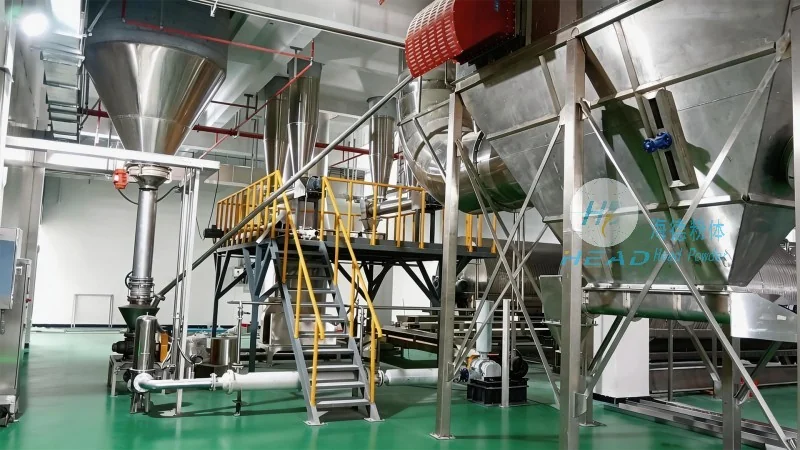
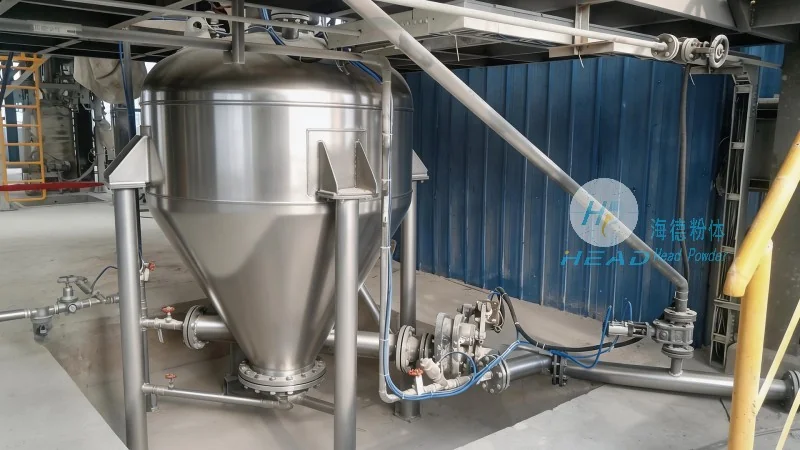
Dry sludge material conveying operates on fundamental principles that ensure efficient and reliable transport of solid waste. The process begins with the preparation of the sludge, which involves dewatering and drying to reduce moisture content, typically to below 20% for optimal handling. This step is critical as high moisture content can lead to clogging and reduced conveyor efficiency. Once dried, the sludge is converted into a dry, free-flowing material suitable for transport. Mechanical conveyors, such as screw conveyors, are commonly used for horizontal or slight incline transport due to their ability to handle abrasive materials and maintain consistent flow. Screw conveyors are particularly effective for transporting dry sludge with high solid content, as they can handle both granular and fibrous materials without significant wear. Belt conveyors, on the other hand, are ideal for longer horizontal distances and larger volumes, offering high throughput and low maintenance costs. Pneumatic systems, including vacuum and pressure conveyors, are employed for vertical or long-distance transport, where mechanical systems may be impractical. Vacuum conveyors use suction to draw sludge from a source to a destination, while pressure conveyors use compressed air to push the material. These systems are advantageous for transporting fine particles or materials that are difficult to handle mechanically, as they minimize material degradation and contamination.
Working Scene Characteristics
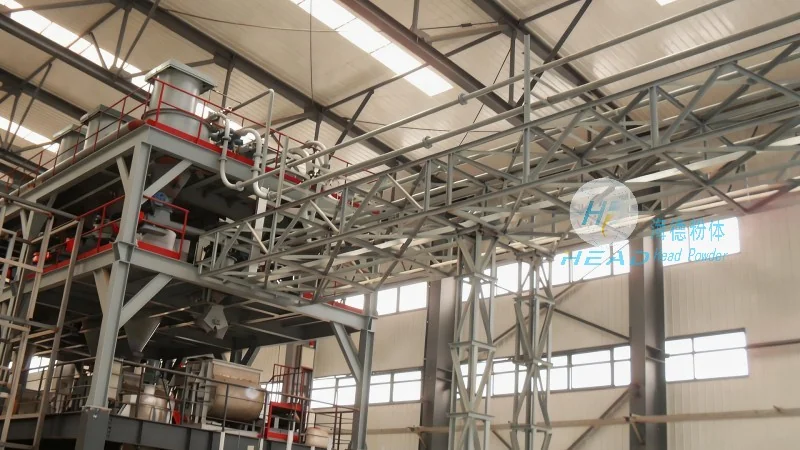
The working scenarios of dry sludge material conveying are diverse and span multiple industries, each with specific requirements for material transport. In wastewater treatment plants, the primary goal is to transport dry sludge from sedimentation tanks to storage or disposal facilities. These plants often handle large volumes of sludge, making efficient conveying systems essential to maintain operational efficiency. The sludge in these plants typically has a high moisture content, requiring dewatering and drying processes before transport. The conveying systems must be designed to handle the varying consistency of the sludge, which can change throughout the day due to fluctuations in wastewater flow. In mining operations, dry sludge from tailings or ore processing is conveyed to disposal sites or recycling facilities. The sludge in mining applications often contains heavy metals or other hazardous materials, necessitating systems that prevent contamination and ensure compliance with environmental regulations. The conveying systems must be robust and able to handle abrasive materials, as the sludge may contain rocks and other debris. In food processing and pharmaceutical industries, dry sludge from waste streams is handled to ensure compliance with environmental regulations and to recover valuable materials. The sludge in these industries is often more homogeneous and less abrasive than in mining or wastewater treatment, but it still requires careful handling to prevent contamination. The working scenarios also vary based on the location of the sludge source and destination, with some applications requiring vertical transport and others requiring horizontal or inclined transport.
Company Profile: Shandong HeadPowder Engineering Co., Ltd.
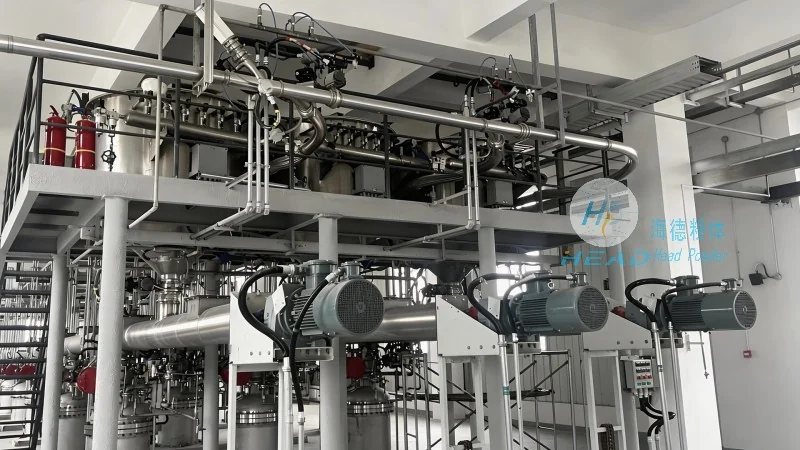
Shandong HeadPowder Engineering Co., Ltd. is a prominent player in the material handling industry, dedicated to providing innovative and efficient solutions for dry sludge material conveying. The company specializes in designing and manufacturing customized systems tailored to the unique needs of industrial clients. HeadPowder's team of engineers and technicians leverages advanced technology and extensive experience to develop solutions that optimize sludge transport while minimizing environmental impact and operational costs. The company's product line includes a range of mechanical and pneumatic conveyors, as well as accessories such as hoppers, feeders, and control systems. Each system is designed to meet specific requirements, such as throughput capacity, distance to be covered, and material characteristics. HeadPowder's commitment to quality and customer satisfaction has earned it a reputation as a trusted partner in the industry. The company's headquarters is located in Shandong, China, where it maintains a state-of-the-art manufacturing facility and a research and development center. HeadPowder serves clients globally, with a focus on providing solutions for wastewater treatment, mining, and other industrial sectors. The company's mission is to contribute to sustainable development by improving material handling efficiency and reducing environmental impact.