

Principles and Working Scene Characteristics of Dusty Fly Ash Material Conveying
Understanding the principles and working characteristics of dusty fly ash material conveying is crucial for efficient industrial operations, particularly in environments where fly ash management is a key concern. This article explores the fundamental mechanisms behind the transport of dusty fly ash, alongside the specific scenarios where such systems are most effectively applied.
Introduction to Dusty Fly Ash Material Conveying
Dusty fly ash, a byproduct of coal combustion in power plants, poses unique challenges for material handling due to its fine particle size and tendency to generate dust. Effective conveying systems must address these challenges while ensuring safety, efficiency, and compliance with environmental regulations. The core principle of dusty fly ash conveying involves the use of specialized equipment designed to handle abrasive, dusty materials without compromising performance or worker safety.
Key Principles of Dusty Fly Ash Conveying Systems
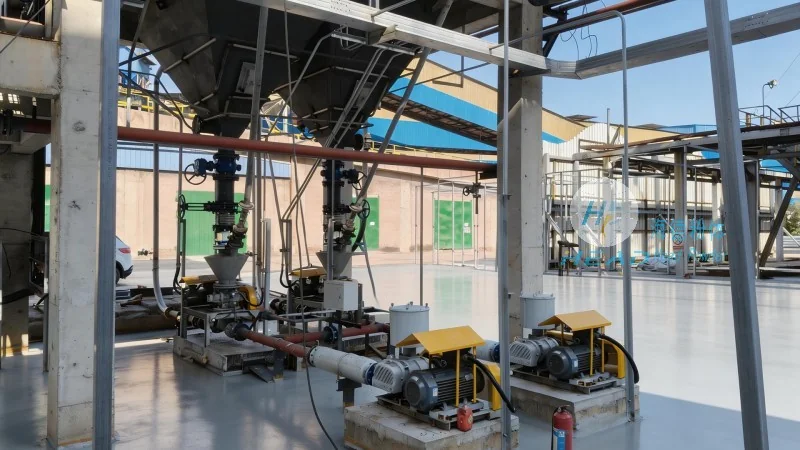
The primary principle behind dusty fly ash material conveying is the utilization of air or mechanical forces to transport fine particles. Air-based systems, such as pneumatic conveyors, rely on compressed air to create a flow that carries the fly ash through pipelines. This method is particularly effective for short to medium distances and can handle high volumes of material with minimal maintenance. Mechanical systems, including screw conveyors and belt conveyors, use rotating components to move the material along a path, often with the addition of dust suppression measures to control airborne particles.
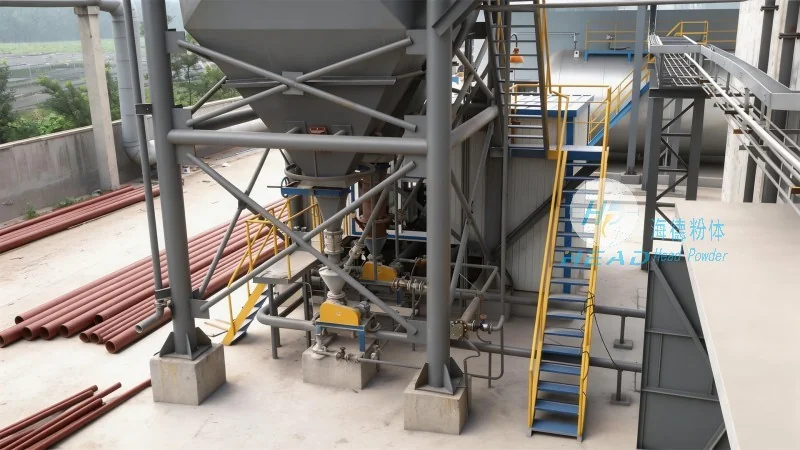
Another critical principle is the integration of dust control measures into the conveying process. Since dusty fly ash is prone to creating airborne dust, systems typically incorporate features like sealed housings, dust collection hoods, and filtration systems. These components help maintain a safe working environment by preventing dust from escaping into the air and reducing the risk of respiratory issues for personnel. The design of these systems also considers the abrasive nature of fly ash, which can wear down components over time, necessitating the use of durable materials like stainless steel or specialized coatings.
Working Scene Characteristics and Application Scenarios
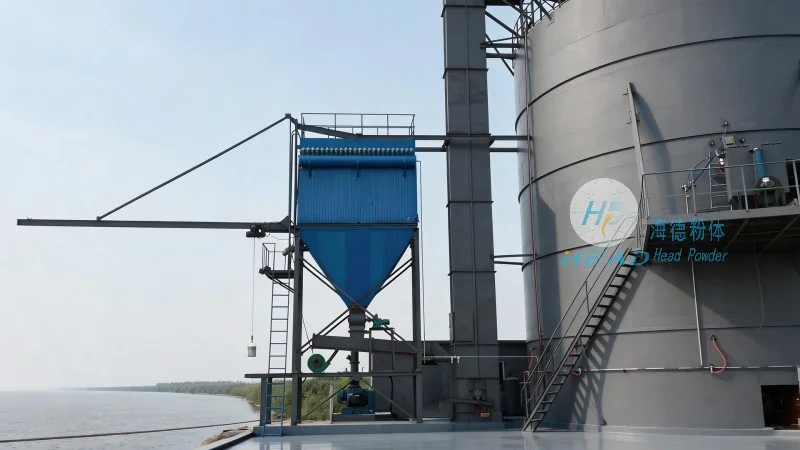
Dusty fly ash material conveying systems are most commonly applied in industrial settings where large volumes of fly ash need to be transported from collection points to disposal or utilization sites. For instance, in power plant facilities, these systems are used to move fly ash from the electrostatic precipitators or baghouse filters to storage silos or off-site disposal locations. The working environment in such scenarios is characterized by high dust concentrations, requiring robust equipment capable of withstanding continuous operation and frequent maintenance.
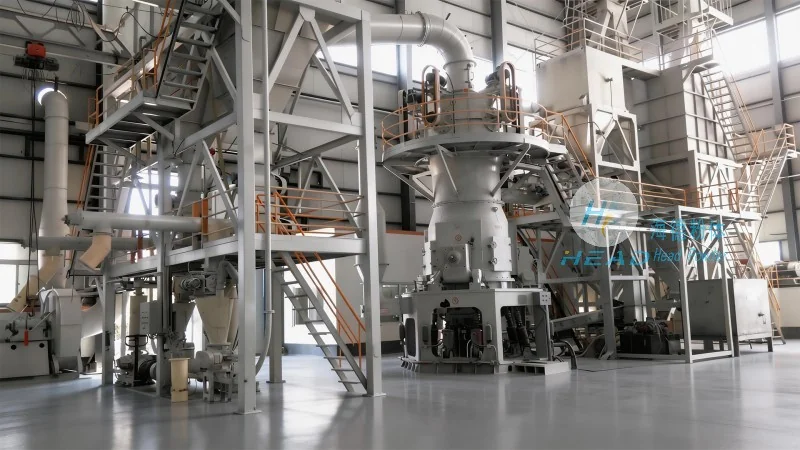
In addition to power plants, dusty fly ash conveying is also relevant in industrial facilities that process or utilize fly ash as a raw material for cement production or other construction materials. These applications demand systems that can handle varying material compositions and moisture levels, as the properties of fly ash can change depending on the source and processing conditions. The working scene in these cases often involves integration with existing production lines, requiring flexible and adaptable conveying solutions that can be easily integrated without disrupting ongoing operations.
Company Overview: Shandong HeadPowder Engineering Co., Ltd.
Shandong HeadPowder Engineering Co., Ltd., commonly known as headpowder, is a leading provider of specialized material handling solutions tailored for dusty fly ash and similar fine materials. With operations based in Shandong, China, the company has extensive experience in designing, manufacturing, and installing conveying systems that meet the demanding requirements of industrial clients. headpowder’s expertise lies in creating customized solutions that balance efficiency, durability, and safety, ensuring that clients can effectively manage their fly ash disposal or utilization processes while adhering to regulatory standards.
The company’s approach to dusty fly ash material conveying emphasizes a comprehensive understanding of the material’s properties and the operational environment. By leveraging advanced engineering techniques and durable materials, headpowder develops systems that are resilient to the abrasive and dusty nature of fly ash. This includes the use of sealed conveyor designs, effective dust suppression technologies, and regular maintenance protocols to minimize downtime and maximize operational efficiency. Clients of headpowder benefit from tailored solutions that address their specific needs, whether it involves short-distance transport within a facility or long-distance off-site disposal.
Conclusion: Efficient and Safe Dusty Fly Ash Conveying Solutions
In conclusion, the principles and working characteristics of dusty fly ash material conveying are centered on effective material transport while mitigating the risks associated with dust and abrasion. The application of air and mechanical forces, combined with robust dust control measures, enables the efficient handling of fly ash in various industrial scenarios. Companies like Shandong HeadPowder Engineering Co., Ltd. play a vital role in providing the specialized equipment and expertise needed to implement these systems, ensuring that industrial operations can manage their fly ash byproducts safely and effectively. By prioritizing durability, safety, and customization, such solutions contribute to the overall efficiency and sustainability of industrial processes.