

Principles and Application Scenarios of Wheat Flour Material Handling
Wheat flour material handling is a critical process in the flour milling industry, ensuring efficient and reliable transport of raw materials and finished products. Understanding the underlying principles and application scenarios is essential for optimizing operational efficiency and maintaining product quality. This article explores the fundamental principles of wheat flour material handling systems and highlights key characteristics of their working environments.
Company Overview and Expertise
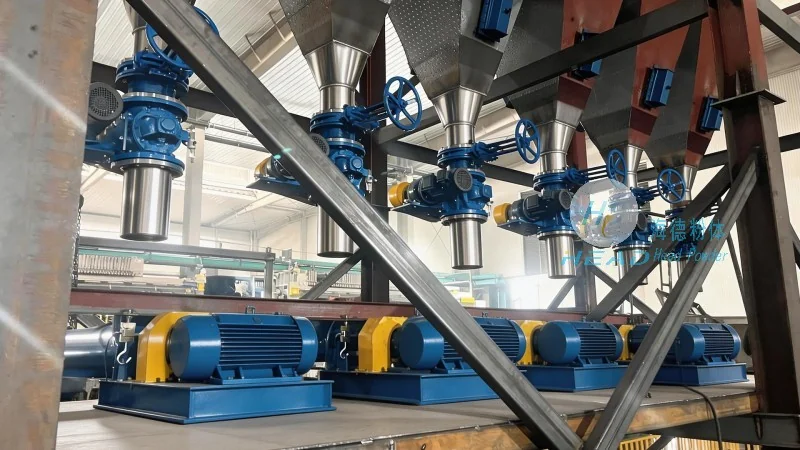
Shandong HeadPowder Engineering Co., Ltd., a leading provider in the field, specializes in designing and implementing advanced material handling solutions tailored to the unique demands of the flour processing sector. With a strong presence in China, particularly in Shandong province, the company leverages years of industry experience to deliver robust and efficient systems for wheat flour handling. Their expertise encompasses the entire spectrum of material handling, from raw wheat intake to the final flour packaging, ensuring seamless integration into existing production lines.
The Core Principles of Wheat Flour Material Handling
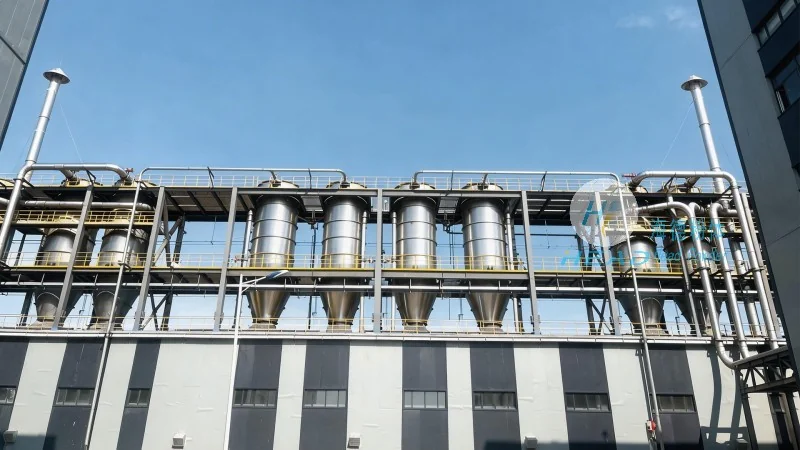
Effective wheat flour material handling relies on several key principles that ensure safety, efficiency, and product integrity. First, the design of the system must consider the physical properties of wheat flour, such as its fine particle size and tendency to create dust, which can impact air quality and equipment performance. Advanced dust control measures, including sealed conveying systems and filtration units, are integral to maintaining a clean and safe working environment. Second, the system must prioritize energy efficiency and low maintenance requirements, as continuous operation in flour mills demands reliable and cost-effective solutions. This involves the use of high-quality components, such as durable belts, robust hoppers, and precise control mechanisms, which reduce downtime and operational costs. Third, the system must be adaptable to varying production volumes and product types, allowing for flexibility in handling different flour grades and processing stages. This adaptability is achieved through modular designs and adjustable speed controls, enabling the system to meet the dynamic needs of modern flour mills.
Key Working Scenarios and Application Characteristics
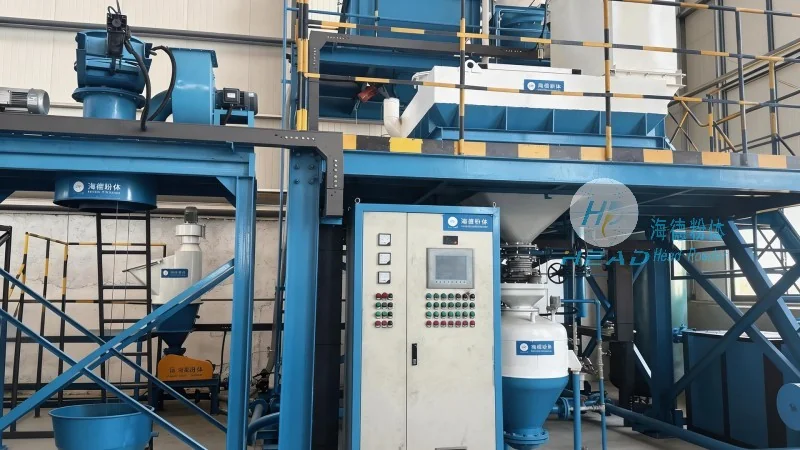
The working scenarios of wheat flour material handling systems vary significantly based on the scale and type of flour mill. In large-scale industrial mills, the system typically involves multiple stages, including raw wheat reception, cleaning, grinding, and flour separation. The material handling equipment in these scenarios must handle high volumes of material, often exceeding several tons per hour, while maintaining consistent quality. This requires high-capacity conveyors, such as bucket elevators and pneumatic conveyors, which are designed to transport flour efficiently over long distances with minimal loss. In contrast, smaller or specialty mills may focus on specific flour types, such as whole wheat or organic flour, where the material handling system must be more precise and gentle to preserve the product's characteristics. For example, in the production of whole grain flour, the system may use low-speed conveyors to avoid damaging the bran and germ, ensuring the final product retains its nutritional value and texture. Additionally, the working environment in flour mills is often characterized by high humidity and temperature fluctuations, which can affect the performance of material handling equipment. Therefore, the systems are designed with corrosion-resistant materials and temperature-controlled components to maintain optimal operation under varying conditions.
Integration and Operational Efficiency
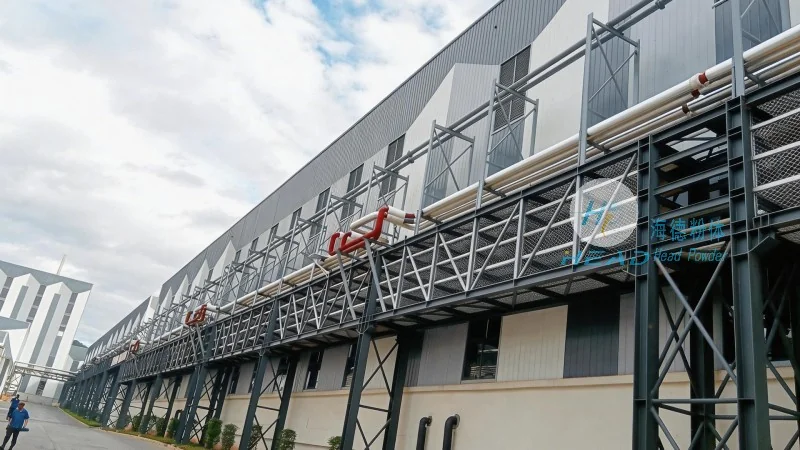
Effective integration of wheat flour material handling systems with the overall production line is crucial for maximizing operational efficiency. The system must be seamlessly connected to upstream processes, such as wheat cleaning and grinding, and downstream processes, like flour packaging and storage. This integration ensures a smooth flow of materials, reducing bottlenecks and minimizing waste. For instance, in a typical flour mill, the material handling system may start with a receiving hopper that collects raw wheat, then transport it to a cleaning unit, followed by a grinding mill. The ground flour is then conveyed to a sifting and classification system, and finally to a packaging line. The efficiency of each stage depends on the performance of the material handling equipment, which must operate in sync with the other components. Advanced control systems, such as PLC (Programmable Logic Controllers), are used to monitor and adjust the system's parameters in real-time, ensuring optimal performance and minimizing energy consumption. These systems also provide data on material flow, allowing operators to identify and address any inefficiencies promptly. Furthermore, the system's design must consider the space constraints of the mill, as flour mills often have limited floor space. Compact and modular equipment is preferred to maximize the use of available space while maintaining the required capacity. This is particularly important in urban or densely populated areas where mill facilities are often located in smaller plots of land.