

Principle and Working Scene Characteristics of Phenolic Resin Powder Material Handling
Shandong HeadPowder Engineering Co., Ltd., commonly known as HeadPowder, is a professional manufacturer specializing in material handling solutions for various industrial applications. With a focus on phenolic resin powder, the company provides efficient and reliable systems tailored to meet the unique demands of different industries. HeadPowder is headquartered in Shandong, China, and has established itself as a trusted partner in the field of powder processing and transportation.
Understanding Phenolic Resin Powder
Phenolic resin powder is a type of thermosetting plastic powder widely used in industrial applications due to its excellent mechanical properties, chemical resistance, and thermal stability. This material is commonly used in the production of composites, adhesives, and coatings. The unique characteristics of phenolic resin powder, such as its fine particle size and high density, make it challenging to handle and transport compared to other bulk materials. Effective material handling is crucial to ensure the quality and consistency of the final products, as well as to maintain operational efficiency in manufacturing processes.
The Principle of Phenolic Resin Powder Material Handling
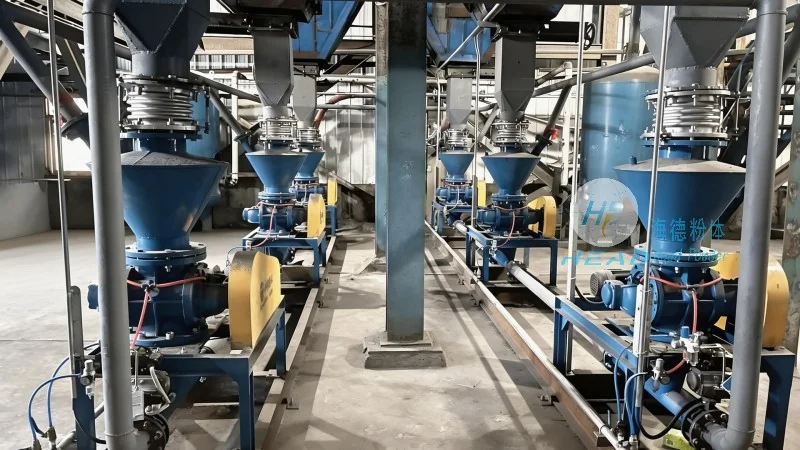
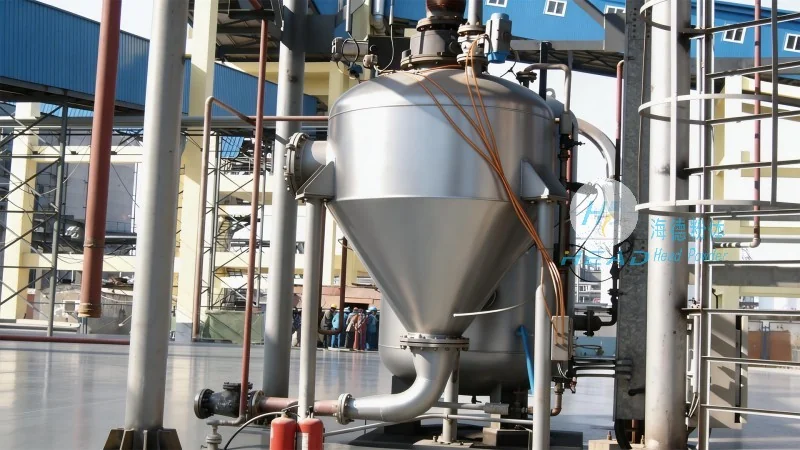
The core principle of phenolic resin powder material handling involves the use of specialized equipment and systems designed to manage the flow, storage, and transportation of the powder. Key components include hoppers, feeders, conveyors, and storage silos. The process typically starts with the storage of the powder in a silo, where it is held under controlled conditions to prevent caking or agglomeration. From the silo, the powder is fed into a feeder, which regulates the flow rate and ensures a consistent supply to the downstream equipment. Conveyors, such as screw conveyors or pneumatic systems, are then used to transport the powder to the processing or packaging areas. The entire system is designed to minimize material loss, prevent contamination, and maintain the integrity of the powder throughout the handling process.
Working Scene Characteristics and Applications
Phenolic resin powder material handling systems are employed in a variety of industrial settings, each with distinct characteristics that influence the design and operation of the equipment. In the automotive industry, for example, phenolic resin is used in the production of interior components and structural parts. The material handling systems in this sector must be capable of handling large volumes of powder while maintaining high precision to ensure the quality of the final parts. In the electrical and electronics industry, phenolic resin is used in the manufacturing of insulating materials and components. Here, the systems need to be equipped with features that prevent static buildup and ensure the powder remains free-flowing to avoid defects in the finished products.
Key Features and Technical Advantages
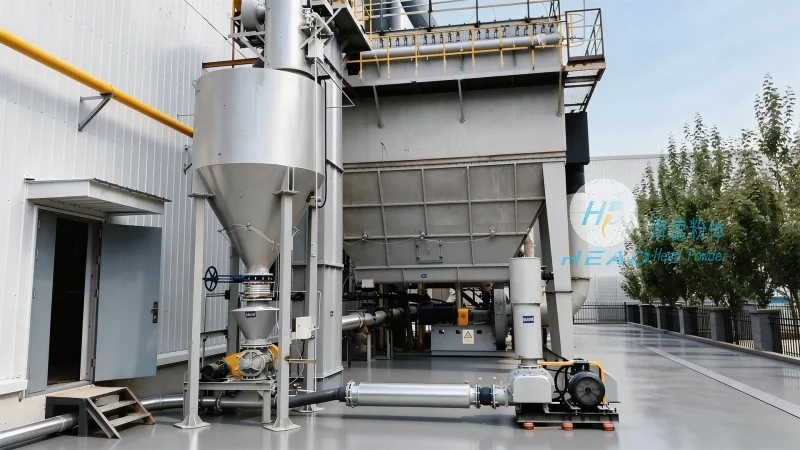
HeadPowder's material handling solutions for phenolic resin powder are designed with several key features that enhance performance and reliability. One of the primary advantages is the use of advanced feeding mechanisms, such as vibratory feeders and rotary valves, which ensure consistent and controlled material flow. These systems are equipped with sensors and controls that monitor the powder level, flow rate, and pressure, allowing for real-time adjustments to maintain optimal operation. Additionally, the equipment is constructed from materials that are resistant to the corrosive and abrasive nature of phenolic resin, ensuring long-term durability and minimal maintenance. The company also emphasizes the importance of dust control and environmental safety, incorporating features like enclosed systems and filtration to comply with industrial regulations and protect the workforce.