

Principles and Working Scene Characteristics of Carboxymethyl Cellulose Material Handling
Carboxymethyl cellulose (CMC) is a widely used chemical additive in various industrial applications, particularly in material handling and processing. Understanding the principles and working characteristics of CMC in material transport is crucial for optimizing operational efficiency and ensuring consistent performance in different industrial settings. This article provides an in-depth exploration of the mechanisms behind CMC's role in material handling, along with key characteristics that define its effectiveness in diverse working environments.
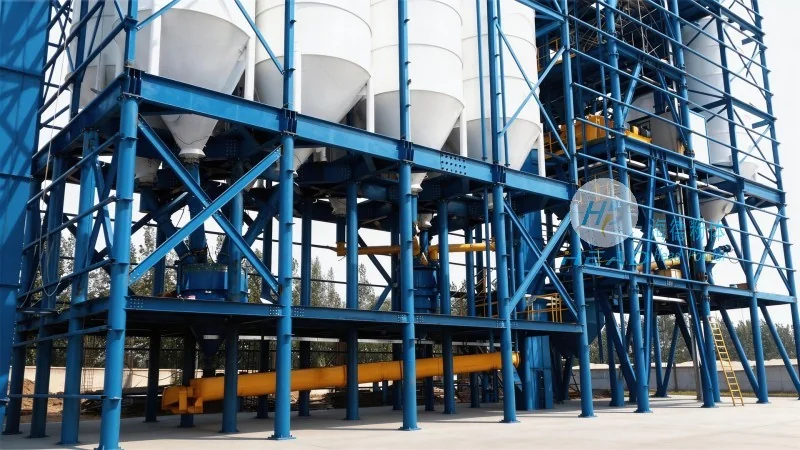
The Fundamental Principles of Carboxymethyl Cellulose in Material Transport
Carboxymethyl cellulose functions as a thickening and stabilizing agent in material handling processes. Its primary mechanism involves the formation of a viscous solution when dissolved in water, which helps in suspending and transporting particulate materials. The polymer's ability to form a network structure through hydrogen bonding and electrostatic interactions enables it to maintain the stability of the material mixture, preventing settling or caking. This property is particularly valuable in applications where uniform distribution of materials is critical, such as in pharmaceutical manufacturing, food processing, and chemical production. The viscosity of CMC solutions can be adjusted by varying the concentration and molecular weight, allowing for tailored performance to meet specific operational requirements.
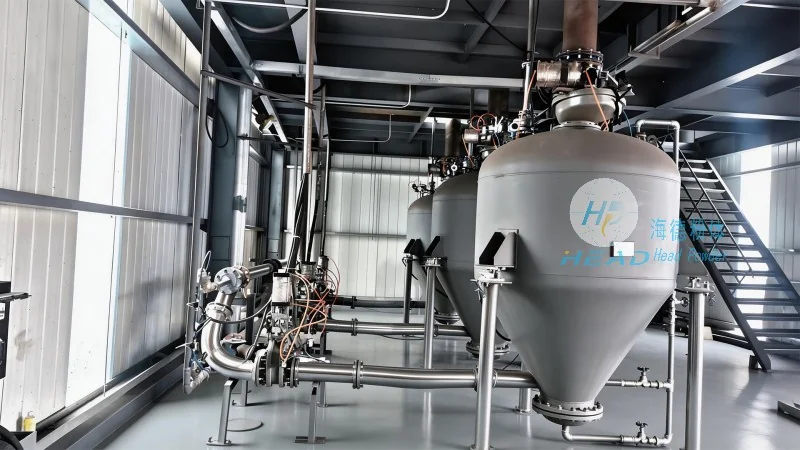
Key Working Scene Characteristics of Carboxymethyl Cellulose Material Handling
Carboxymethyl cellulose material handling exhibits several distinct characteristics that make it suitable for a wide range of industrial applications. One of the most notable features is its excellent water solubility, which allows for easy integration into existing processing systems without the need for complex equipment modifications. The material is also non-toxic and biodegradable, making it an environmentally friendly choice for industries that prioritize sustainability. Additionally, CMC can be formulated to provide shear-thinning properties, meaning the viscosity decreases under shear stress, which facilitates smooth flow through pipelines and processing equipment. This characteristic is especially beneficial in high-speed production lines where efficient material transport is essential. Another key characteristic is the ability of CMC to improve the flowability of cohesive or powdery materials, reducing blockages and ensuring consistent throughput. These attributes collectively contribute to the reliability and efficiency of CMC-based material handling systems.
Application Scenarios and Practical Implementation of Carboxymethyl Cellulose Material Handling
Carboxymethyl cellulose is widely utilized in various industrial sectors, including pharmaceuticals, food and beverage, chemicals, and construction. In pharmaceutical manufacturing, CMC is used to stabilize active ingredients and improve the flow of powders during tablet and capsule production. The material helps maintain uniform particle size distribution and prevents agglomeration, ensuring consistent product quality. In the food industry, CMC is employed in the production of dairy products, beverages, and confectionery items, where it enhances the texture and stability of the final products. For example, in ice cream manufacturing, CMC acts as an emulsifier and stabilizer, preventing ice crystals from forming and maintaining a smooth texture. In the chemical industry, CMC is used in the processing of pigments, dyes, and other fine chemicals, where it aids in the dispersion and transport of these materials. The construction industry also benefits from CMC in the production of adhesives, coatings, and other building materials, where it improves the workability and durability of the products. Practical implementation of CMC material handling involves proper dosing and mixing to achieve the desired viscosity and flow properties. The use of CMC in these applications demonstrates its versatility and effectiveness in enhancing operational efficiency and product quality.
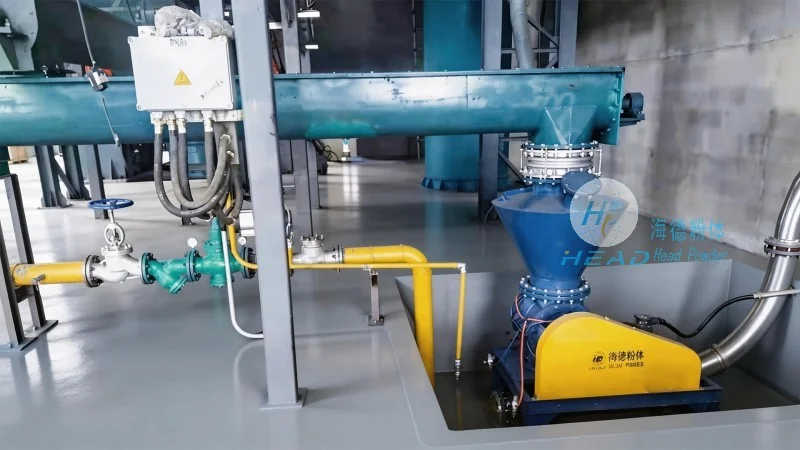
Technical Advantages and Practical Benefits of Using Carboxymethyl Cellulose for Material Transport
The adoption of carboxymethyl cellulose in material handling offers several technical advantages and practical benefits. One of the primary benefits is the improvement in process control and consistency. By maintaining a stable viscosity, CMC ensures that the material flow remains consistent throughout the production process, reducing variations in product quality. This leads to higher yields and lower waste, as materials are transported efficiently without clogging or settling. Another advantage is the reduction in equipment wear and tear. The smooth flow facilitated by CMC reduces friction and abrasion on pipelines and processing equipment, extending their operational life and reducing maintenance costs. Furthermore, CMC's ability to enhance the flowability of difficult-to-handle materials, such as fine powders or cohesive substances, minimizes the need for additional processing steps, such as pre-mixing or agglomeration. This simplifies the production process and lowers overall operational costs. The environmental benefits of using CMC are also significant, as it is biodegradable and non-toxic, reducing the impact on ecosystems and meeting stringent environmental regulations. These technical advantages and practical benefits make carboxymethyl cellulose a preferred choice for industries seeking to optimize their material handling processes and improve overall operational performance.