

Principles and Application Scenarios of Intelligent Centralized Material Handling Systems
Intelligent centralized material handling systems represent a sophisticated approach to optimizing material flow within industrial and manufacturing environments. These systems integrate advanced technologies such as automation, robotics, and real-time data processing to streamline the movement of goods from storage to processing points. The core principle revolves around centralizing control and coordination, enabling seamless and efficient material transfer across various operational stages.
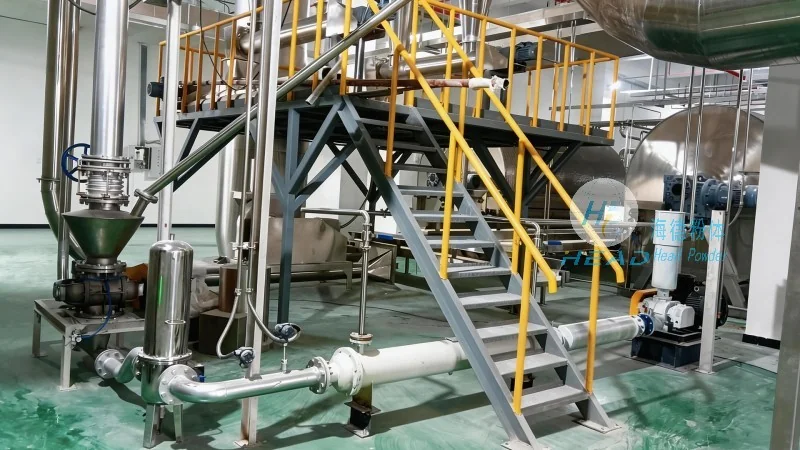
Key Principles Underpinning Intelligent Centralized Material Handling
The fundamental principles of these systems focus on enhancing operational efficiency, reducing downtime, and improving overall productivity. By leveraging centralized control, the system can dynamically allocate resources based on real-time demand, ensuring that materials are delivered precisely when and where they are needed. This approach minimizes manual intervention, reduces human error, and optimizes the use of available space and equipment. Additionally, the integration of predictive analytics allows for proactive maintenance and resource planning, further enhancing system reliability and performance.
Core Components and Functional Mechanisms
At the heart of intelligent centralized material handling systems are several key components that work in concert to achieve seamless material transfer. These include automated guided vehicles (AGVs), conveyor systems, robotic arms, and advanced software platforms for control and monitoring. The AGVs, equipped with sensors and navigation systems, can autonomously transport materials between different locations, adapting to changes in the operational environment. Conveyor systems, often integrated with sortation technologies, ensure that materials are directed to the correct processing or storage points. Robotic arms may be employed for tasks requiring precision, such as picking and placing items from shelves or workstations. The central control software acts as the brain of the system, coordinating the actions of all components, managing inventory levels, and providing real-time visibility into the material flow.
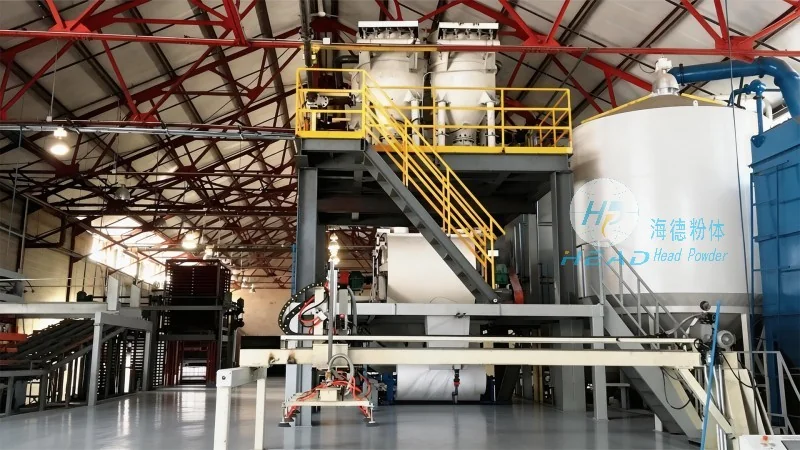
Application Scenarios and Operational Benefits
Intelligent centralized material handling systems find widespread application across diverse industries, including logistics, manufacturing, and warehousing. In logistics operations, these systems enhance the efficiency of order fulfillment by ensuring that packages are routed and transferred quickly and accurately. In manufacturing environments, they support just-in-time production by delivering raw materials and components to assembly lines as needed, reducing inventory holding costs and minimizing waste. Warehousing applications benefit from optimized storage and retrieval processes, with systems capable of dynamically adjusting storage locations based on demand patterns. The operational benefits extend beyond efficiency gains; these systems also contribute to improved safety by reducing the need for manual handling of heavy or hazardous materials, thereby minimizing workplace accidents.
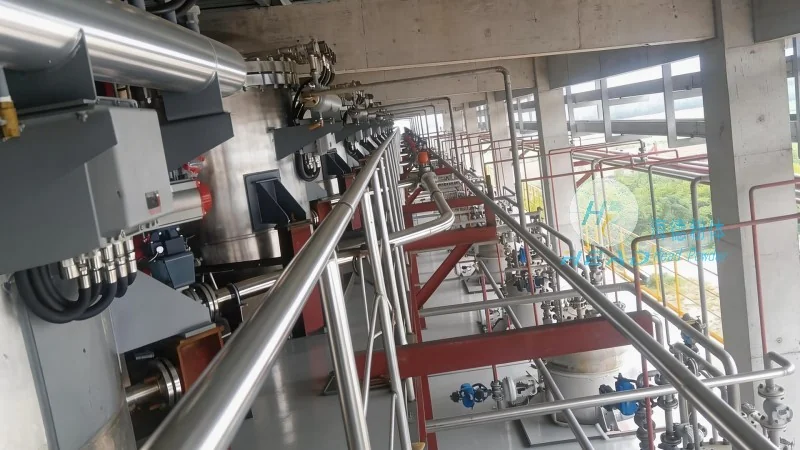
Case Study: Implementation in a Manufacturing Facility
Shandong HeadPowder Engineering Co., Ltd., a leading provider of material handling solutions, has successfully implemented an intelligent centralized material handling system in a manufacturing facility located in China. The system was designed to streamline the movement of raw materials and finished products within the plant, reducing the time required for material transfer from hours to minutes. The implementation involved integrating AGVs with existing conveyor systems and robotic picking stations, all controlled by a centralized software platform. The results were significant: production throughput increased by 25%, while labor costs associated with material handling were reduced by 30%. The system also provided real-time visibility into inventory levels, enabling better demand forecasting and inventory management. This case study highlights the practical advantages of intelligent centralized material handling systems in enhancing operational efficiency and competitiveness.
Conclusion and Future Outlook
Intelligent centralized material handling systems represent a transformative solution for modern industrial and manufacturing operations. By integrating advanced technologies and centralized control, these systems offer substantial improvements in efficiency, productivity, and safety. As industries continue to evolve, the demand for such systems is expected to grow, driven by the need to optimize resource utilization and adapt to changing market demands. Shandong HeadPowder Engineering Co., Ltd. remains at the forefront of this technological advancement, providing tailored solutions that meet the specific needs of clients while adhering to the highest standards of quality and reliability.