

Principle and Working Scene Characteristics of Automatic Tonne Bag Feeding Material Conveying System
Automatic tonne bag feeding material conveying systems are advanced industrial solutions that automate the process of handling bulk materials from large bulk bags. These systems are critical in modern manufacturing and processing facilities, where efficient material transfer is essential for maintaining production efficiency and safety. The primary objective of such systems is to reduce manual labor, minimize material loss, and ensure a consistent flow of raw materials into downstream processes. By integrating mechanical, electrical, and control components, these systems provide a reliable and scalable solution for industries dealing with large volumes of bulk materials.
Core Principles and Operational Mechanisms
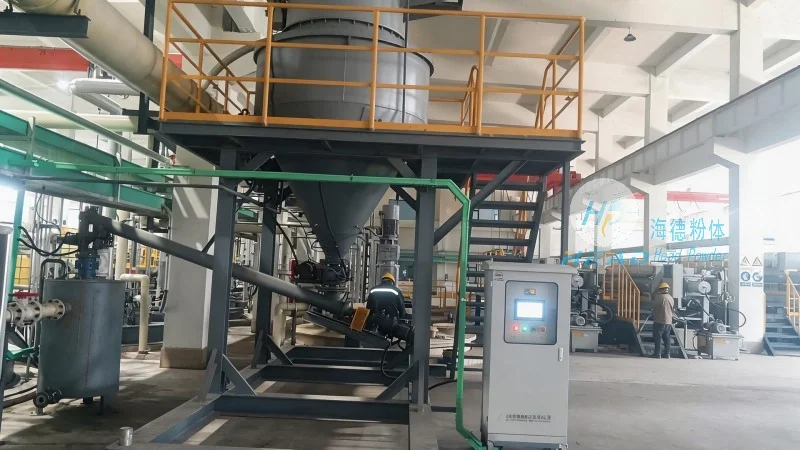
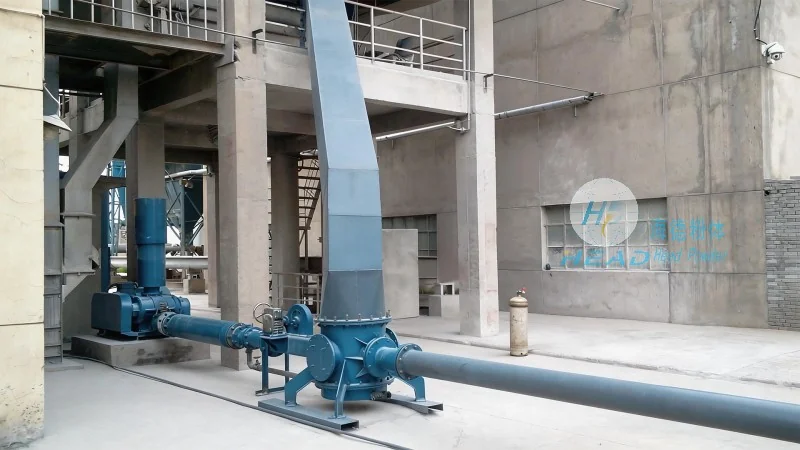
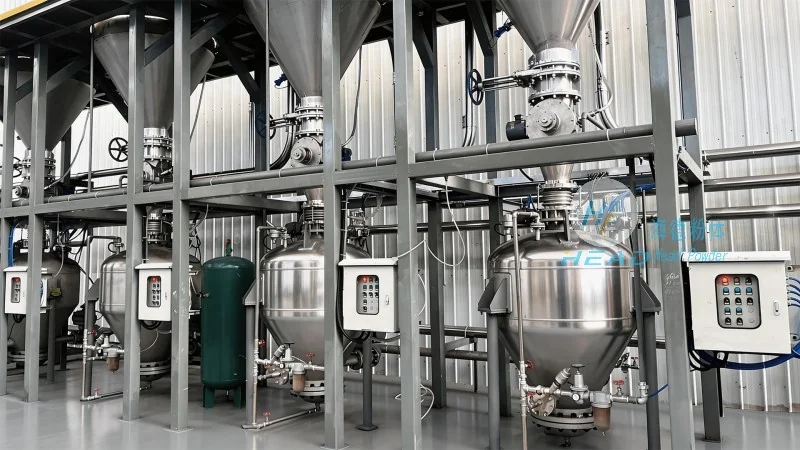
The core principle of an automatic tonne bag feeding material conveying system is to automate the entire material handling process from bag opening to material delivery. The system typically consists of several key components: a bag opening device, a receiving hopper or container, a conveying mechanism (such as a screw conveyor, belt conveyor, or pneumatic system), and a feeding control system. The bag opening mechanism, often a valve or a cutting device, is designed to safely and efficiently release the material from the tonne bag. The receiving hopper collects the material and may include features like a level sensor to monitor the material level. The conveying system then transports the material from the hopper to the desired location, such as a storage silo or a processing machine. The feeding control system regulates the flow rate, ensuring that the material is delivered at a consistent rate to avoid overloading or underfeeding. Additionally, the system may incorporate sensors and alarms to detect blockages, overfilling, or other operational issues, providing real-time monitoring and control.
Working Scene Characteristics and Applications
The working scene characteristics of automatic tonne bag feeding material conveying systems are tailored to meet the diverse needs of various industrial sectors. In the chemical industry, these systems are used to handle powders and granules, ensuring a clean and controlled transfer process. In the food and pharmaceutical industries, they are designed with sanitary features to maintain product purity and compliance with regulatory standards. The mining and construction sectors benefit from these systems by efficiently handling aggregates, ores, and other bulk solids, reducing the time and labor required for material transfer. The systems are also suitable for retrofitting into existing facilities, providing an upgrade path for older manual handling processes. Furthermore, the adaptability of these systems allows them to handle different material types, including abrasive or corrosive materials, with appropriate material of construction for the components in contact with the material.