

Principle and Working Scene Characteristics of Polycrystalline Silicon Material Handling Systems
Polycrystalline silicon material handling systems are critical components in the manufacturing and processing industries, particularly in the solar energy sector where silicon is a primary raw material for photovoltaic cells. These systems are designed to efficiently transport, store, and manage polycrystalline silicon, ensuring smooth operations from raw material reception to processing and packaging. The complexity of these systems lies in their ability to handle bulk materials while maintaining precision and safety, which are essential for high-quality silicon production.
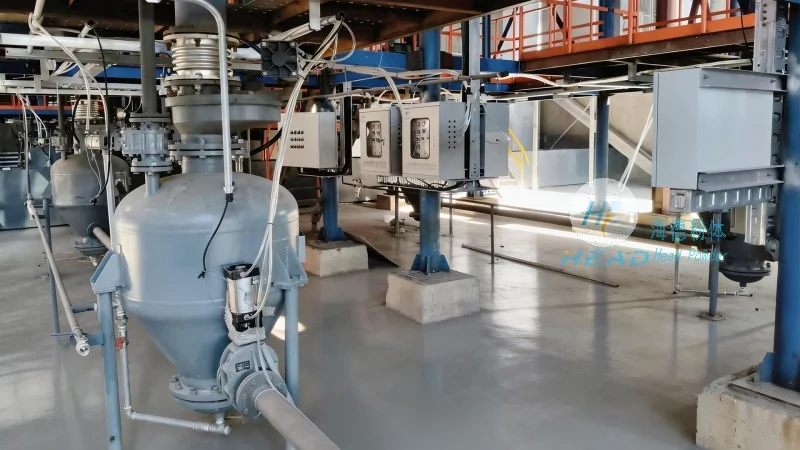
Core Principles of Polycrystalline Silicon Material Handling Systems
The fundamental principle of a polycrystalline silicon material handling system revolves around the integration of several key components, including conveyors, storage silos, feeding mechanisms, and control systems. Each component plays a specific role in the overall workflow, working in tandem to achieve optimal material flow. For instance, conveyors, such as belt conveyors or screw conveyors, are used to transport silicon from storage areas to processing units. Storage silos are designed to hold large quantities of raw material, providing a buffer to regulate the flow and prevent bottlenecks. Feeding mechanisms, like rotary valves or vibratory feeders, ensure that the material is delivered at a consistent rate to the next stage of processing. Control systems, often integrated with sensors and automation technology, monitor the entire process, adjusting parameters in real-time to maintain efficiency and prevent equipment damage.
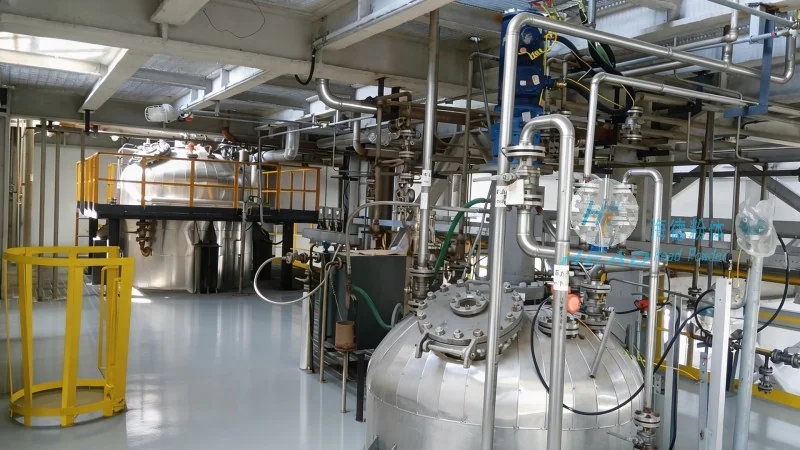
Working Scene Characteristics and Applications
The working scene characteristics of polycrystalline silicon material handling systems are tailored to the specific requirements of industrial environments where they are deployed. These systems are commonly found in solar panel manufacturing facilities, where large volumes of silicon wafers are produced. The key characteristics include high throughput capacity, as these systems are designed to handle thousands of tons of material per day. They also require high precision in material handling to avoid contamination or damage to the silicon, which could affect the quality of the final solar cells. Additionally, these systems must be robust and durable, as they operate in harsh industrial conditions with high temperatures and dust. The working scenes may vary from indoor processing plants to outdoor storage areas, requiring systems that can adapt to different environmental conditions while maintaining operational reliability.
System Integration and Operational Efficiency
Effective integration of various components is crucial for the operational efficiency of polycrystalline silicon material handling systems. The coordination between conveyors, storage silos, and feeding mechanisms is managed through advanced control systems that use real-time data to optimize the workflow. For example, sensors can detect the level of material in the silos and adjust the conveyor speed accordingly, preventing overfilling or underfilling. Automation technology also plays a vital role in reducing human intervention, minimizing errors and improving safety. The systems are designed to be scalable, allowing them to be expanded or modified as production needs change. This flexibility ensures that the system can adapt to increasing production demands without significant downtime or additional capital investment.
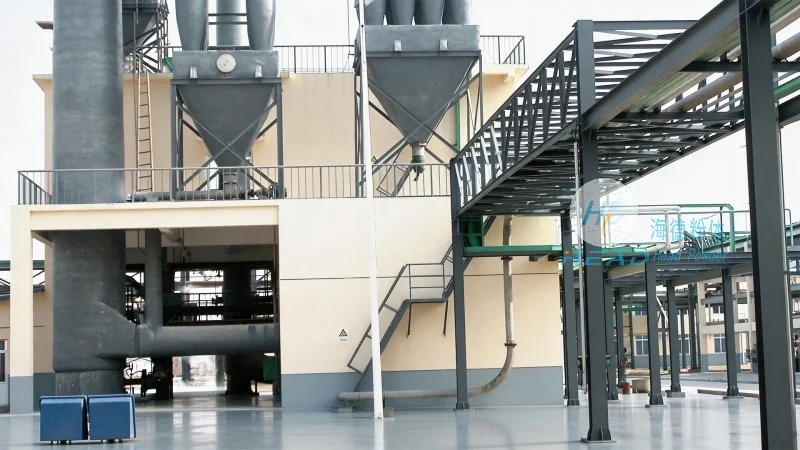
Company Information and Service Overview
HeadPowder, a leading provider of engineering solutions, specializes in the design, manufacturing, and installation of polycrystalline silicon material handling systems. With a focus on precision and reliability, HeadPowder's systems are tailored to meet the unique needs of clients in the solar energy industry. The company is headquartered in Shandong, China, and serves clients globally with customized solutions that enhance operational efficiency and product quality. HeadPowder's expertise in material handling technology ensures that clients receive systems that are not only efficient but also compliant with industry standards and safety regulations.