

Principles and Working Scene Characteristics of Glucose Material Transport Systems
Glucose material transport systems are critical components in various industrial and pharmaceutical applications, designed to efficiently handle and move glucose-based materials. Understanding the underlying principles and operational characteristics of these systems is essential for optimizing processes and ensuring consistent performance in production environments.
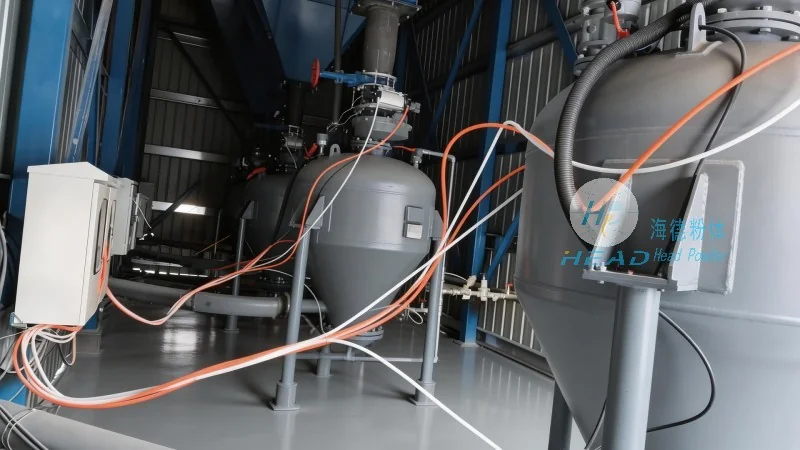
Core Principles of Glucose Material Handling
The fundamental principles of glucose material transport systems revolve around the efficient transfer of granular or powdered glucose from one location to another within a facility. These systems typically employ mechanical means such as conveyor belts, screw conveyors, or pneumatic transport mechanisms to move the material. The design of the system must consider factors like material flow rate, particle size distribution, and the need for contamination control, which are crucial in pharmaceutical and food processing industries where glucose is commonly used as an ingredient or raw material.
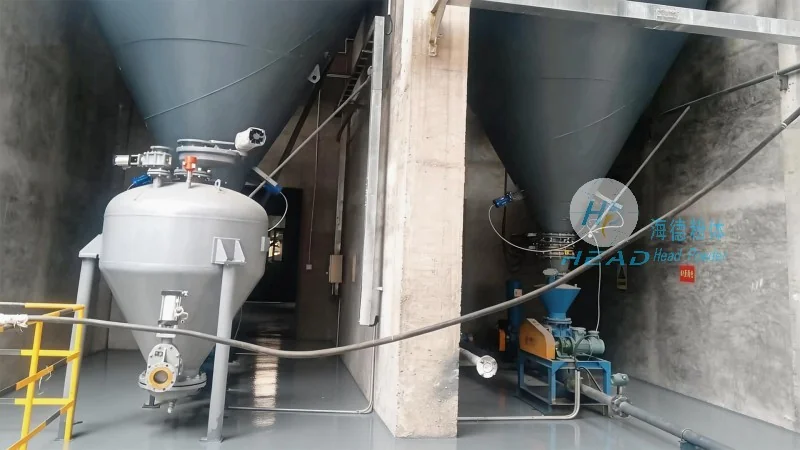
Key Working Scene Characteristics
Glucose material transport systems operate in diverse industrial settings, each with unique requirements that influence system design and functionality. For instance, in pharmaceutical manufacturing, these systems must adhere to stringent hygiene standards and be capable of handling sterile or semi-sterile environments. In contrast, in food processing plants, the focus may be on durability and resistance to moisture or temperature fluctuations. The working scene characteristics also include the scale of operation, from small-scale laboratory setups to large-scale industrial production lines, which dictates the capacity and complexity of the transport system.
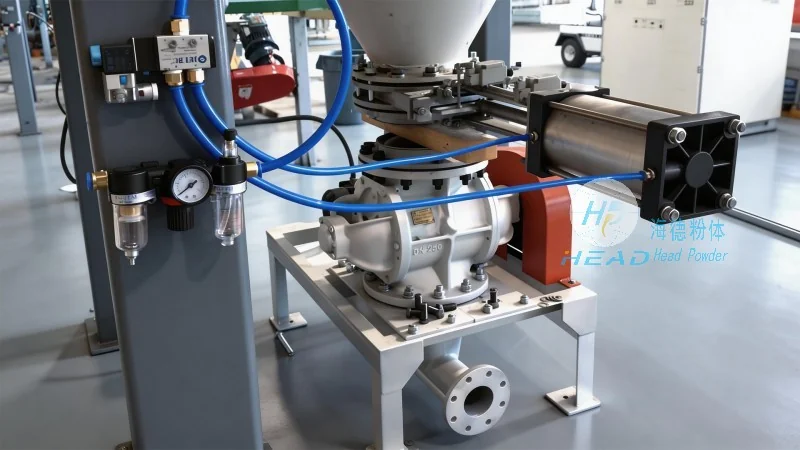
Company Overview: Shandong HeadPowder Engineering Co., Ltd.
HeadPowder, a leading provider of engineering solutions, specializes in the design and manufacturing of advanced material handling systems tailored to meet the specific needs of industries dealing with glucose and other similar materials. With a strong presence in China, particularly in Shandong province, the company leverages its expertise in mechanical engineering and process optimization to deliver high-quality transport solutions. The company’s commitment to quality and innovation ensures that its systems are reliable, efficient, and compliant with industry standards, making them a trusted choice for businesses in the glucose processing sector.
Applications and Operational Benefits
Glucose material transport systems find applications in a wide range of industries, including pharmaceuticals, food and beverage, and chemical manufacturing. The primary operational benefits of these systems include improved workflow efficiency, reduced labor costs, and enhanced safety by minimizing manual handling of materials. Additionally, modern systems often incorporate automation and control features that allow for real-time monitoring and adjustment of flow rates, ensuring optimal performance and product quality. The adaptability of these systems to different operational scenarios further enhances their value, making them a versatile solution for various production challenges.
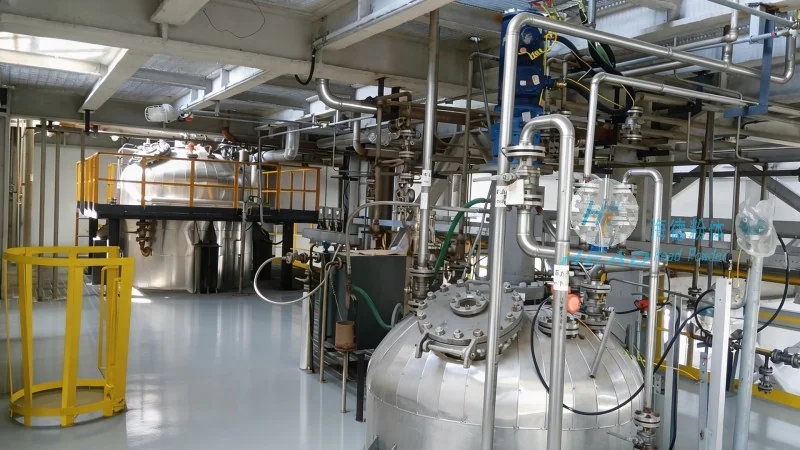
Conclusion
In summary, glucose material transport systems are sophisticated engineering solutions that play a vital role in the efficient processing and handling of glucose materials. By understanding the core principles and working scene characteristics, industries can select and implement the most appropriate system to meet their operational needs. With companies like Shandong HeadPowder Engineering Co., Ltd. offering specialized solutions, businesses can leverage advanced technology to enhance productivity and maintain compliance with industry regulations, ultimately contributing to the success of their operations.