

Principle and Working Scene Characteristics of Monosodium Glutamate Material Handling Systems
HeadPowder, a leading engineering company based in Shandong, China, specializes in the design and implementation of advanced material handling solutions tailored for the food processing industry. This article explores the fundamental principles behind monosodium glutamate (MSG) material handling systems and highlights the key characteristics of their operational environments. By understanding these aspects, businesses can optimize their production processes and enhance efficiency in handling this essential flavor enhancer.
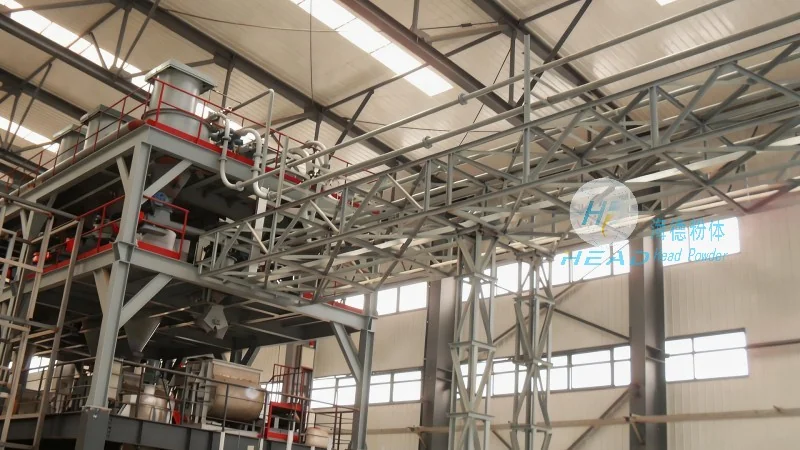
Company Overview: HeadPowder Engineering
HeadPowder Engineering Co., Ltd. is a reputable firm dedicated to providing innovative engineering solutions for the food and chemical sectors. With a strong presence in Shandong, China, the company leverages its expertise in mechanical design, automation, and process optimization to deliver customized material handling systems. The company’s commitment to quality and customer satisfaction has established it as a trusted partner for businesses seeking reliable and efficient solutions for their material handling needs.
The Core Principle of Monosodium Glutamate Material Handling Systems
Monosodium glutamate, commonly known as MSG, is a widely used flavor enhancer in the food industry. Efficient handling of this material is crucial for maintaining product quality and ensuring smooth production workflows. The material handling systems designed by HeadPowder are engineered to address the unique challenges associated with MSG, such as its granular nature, hygroscopic properties, and the need for hygienic and sanitary operation. These systems typically incorporate advanced conveyor technologies, storage solutions, and control mechanisms to ensure safe and effective material movement.
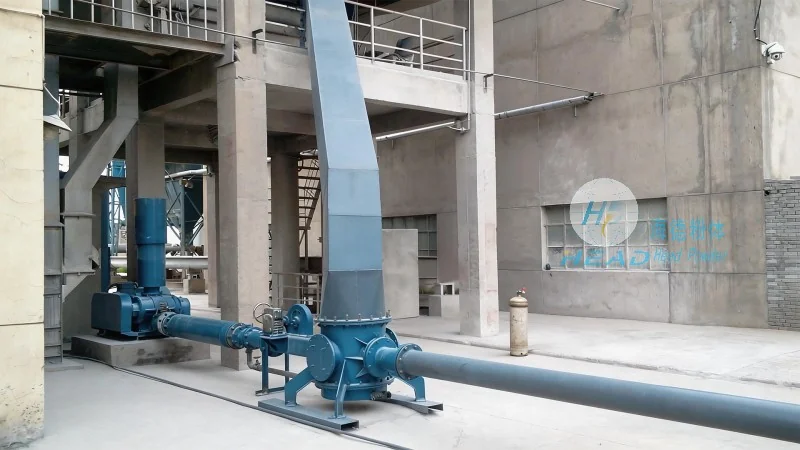
At the heart of these systems is the principle of continuous flow and automated control. HeadPowder’s solutions often utilize belt conveyors, screw conveyors, and pneumatic transport systems to move MSG from storage silos to processing lines or packaging stations. The systems are equipped with sensors and control panels that monitor flow rates, temperature, and moisture levels, ensuring that the material is handled under optimal conditions. This automation not only reduces labor costs but also minimizes the risk of contamination and product loss.
Key Working Scene Characteristics
The operational environments for MSG material handling systems vary depending on the scale of production and the specific application. HeadPowder’s systems are designed to adapt to different working scenarios, each with distinct characteristics that influence system design and performance.
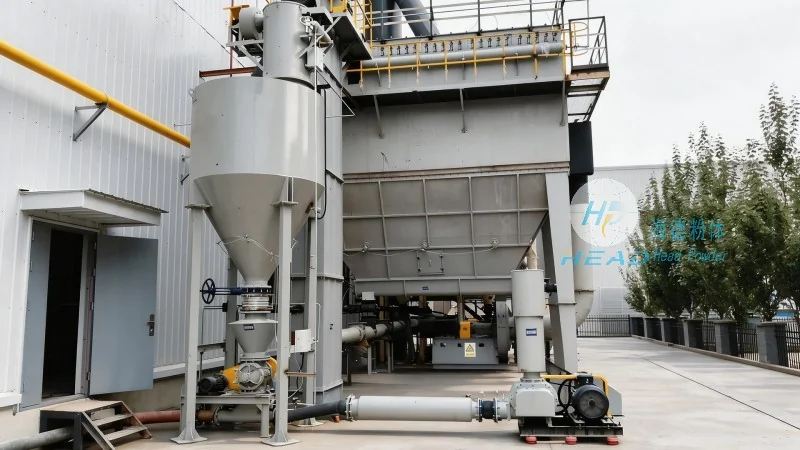
1. Large-Scale Industrial Production
In large-scale food processing facilities, MSG is often produced in bulk and requires high-capacity handling systems. The working scene in such environments is characterized by high throughput, continuous operation, and the need for robust, durable equipment. HeadPowder’s systems for this scenario typically feature heavy-duty conveyors, large storage silos, and automated batching systems. These systems are built to handle high volumes of material while maintaining consistent quality and minimizing downtime. The working environment may include multiple processing lines, storage areas, and packaging stations, all interconnected by the material handling system.
2. Medium-Scale Processing and Packaging
For medium-scale operations, such as in regional food processing plants or specialty food manufacturers, the working scene is more focused on efficient processing and packaging. The systems in this scenario are designed to handle moderate volumes of MSG, often integrating with existing production lines. Key characteristics include flexibility in handling different product batches, integration with packaging machinery, and the ability to adapt to changing production schedules. HeadPowder’s solutions for medium-scale applications may include modular conveyor systems, compact storage solutions, and user-friendly control interfaces that allow operators to adjust settings quickly.
3. Hygienic and Sanitary Requirements
Given that MSG is a food ingredient, the working scene must adhere to strict hygienic and sanitary standards. This characteristic is critical in preventing contamination and ensuring product safety. HeadPowder’s material handling systems are constructed from food-grade materials, such as stainless steel, and are designed with smooth surfaces and minimal crevices to facilitate cleaning and maintenance. The systems often include features like automatic cleaning cycles, sealed components, and easy-to-access maintenance points. These design elements ensure that the working environment remains clean and compliant with regulatory standards, such as those set by the FDA or EU food safety guidelines.
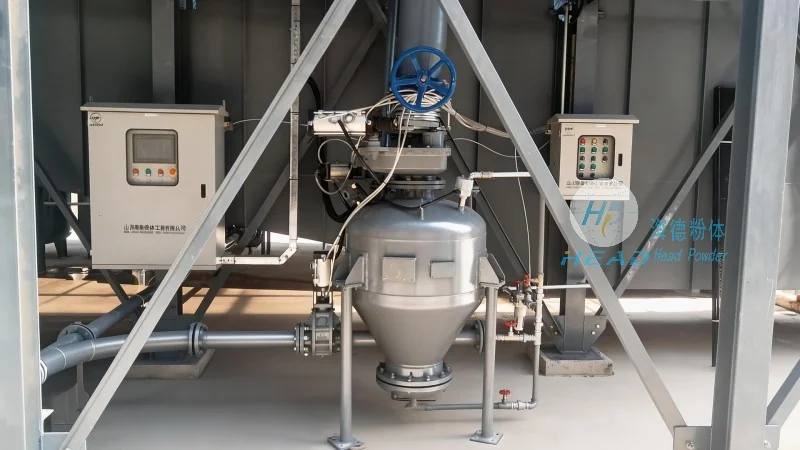
4. Integration with Automation and Control Systems
Modern material handling systems, including those for MSG, are increasingly integrated with advanced automation and control technologies. The working scene in this context is characterized by real-time monitoring, data collection, and remote operation capabilities. HeadPowder’s systems incorporate sensors, PLCs (Programmable Logic Controllers), and SCADA (Supervisory Control and Data Acquisition) systems to provide comprehensive control over the material flow. This integration allows for better process optimization, predictive maintenance, and quick response to operational changes. The working environment may include control rooms equipped with digital displays and interfaces that provide operators with real-time data on system performance, ensuring efficient management of the material handling process.
Conclusion: Enhancing Efficiency and Reliability
HeadPowder Engineering’s monosodium glutamate material handling systems are designed to meet the diverse needs of the food processing industry. By understanding the core principles of these systems and the characteristics of their working environments, businesses can select the most appropriate solution to enhance their production efficiency, maintain product quality, and ensure compliance with industry standards. The company’s expertise in engineering, automation, and process optimization ensures that its solutions are tailored to the specific requirements of each client, providing reliable and efficient material handling for MSG in various operational settings.