

Principle and Working Scene Characteristics of Dry Sand Material Handling Equipment
HeadPowder, a leading provider of industrial material handling solutions, specializes in the design and manufacturing of equipment tailored for the efficient transport of dry sand and similar granular materials. With a strong presence in Shandong, China, the company has established itself as a trusted partner for businesses seeking reliable and effective dry sand handling systems.
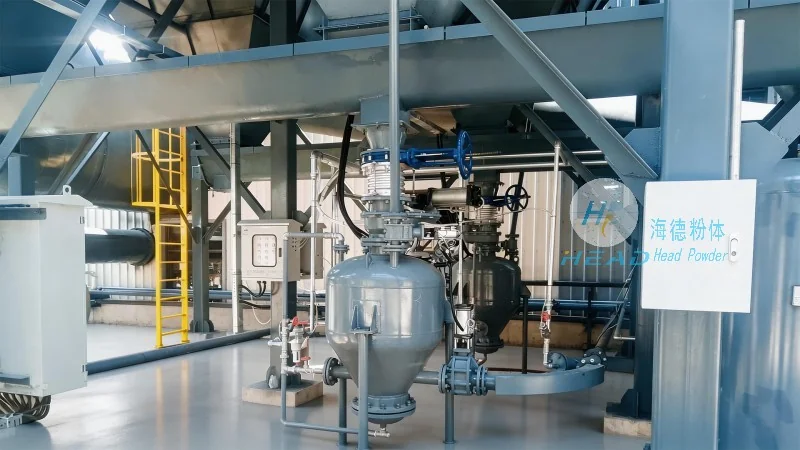
Understanding the Core Principles of Dry Sand Material Handling Equipment
Dry sand material handling equipment operates on fundamental principles that ensure optimal performance and safety in various industrial applications. The primary goal is to move dry sand or similar bulk materials from one location to another with minimal loss, contamination, and energy consumption. These systems typically incorporate mechanisms such as conveyor belts, screw conveyors, or pneumatic transport systems, each designed to address specific operational needs. The choice of equipment depends on factors like material characteristics, distance to be covered, and the required throughput. For instance, conveyor belts are ideal for horizontal or slight incline transport, while screw conveyors excel in vertical or inclined movement, often with the added benefit of mixing or dosing capabilities. Pneumatic systems, on the other hand, use air pressure to transport dry sand through pipes, making them suitable for applications requiring dust-free or enclosed environments.
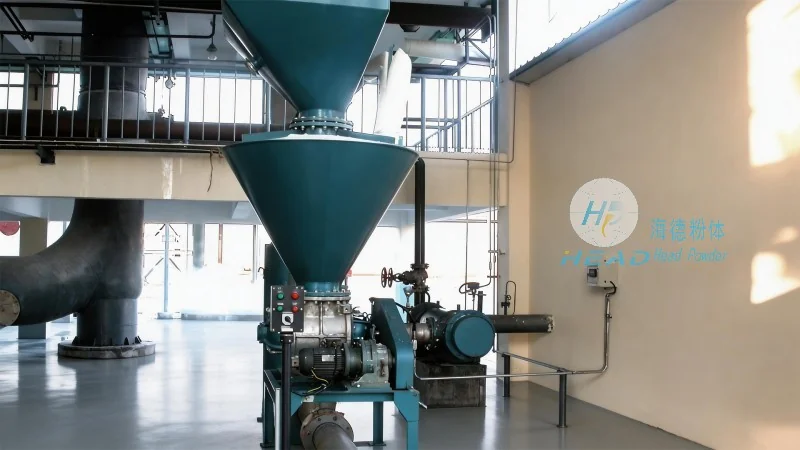
Key Working Scene Characteristics of Dry Sand Handling Equipment
The working scene characteristics of dry sand material handling equipment are critical in determining its suitability for different industrial settings. These characteristics include operational efficiency, environmental adaptability, and maintenance requirements. In terms of efficiency, modern equipment is engineered to maximize throughput while minimizing downtime. This is achieved through robust construction, efficient drive systems, and advanced control technologies that allow for precise speed and direction adjustments. Environmental adaptability is another crucial aspect, as dry sand handling equipment must operate in diverse conditions, from dusty construction sites to clean manufacturing facilities. Equipment designed for dry sand often features dust suppression mechanisms, such as sealed housings or integrated filtration systems, to prevent airborne particles from contaminating the workspace or affecting equipment longevity. Maintenance requirements vary based on the type of equipment, with conveyor systems requiring regular belt tension checks and cleaning, screw conveyors needing periodic lubrication and wear part replacement, and pneumatic systems demanding clean air filters and pressure monitoring.
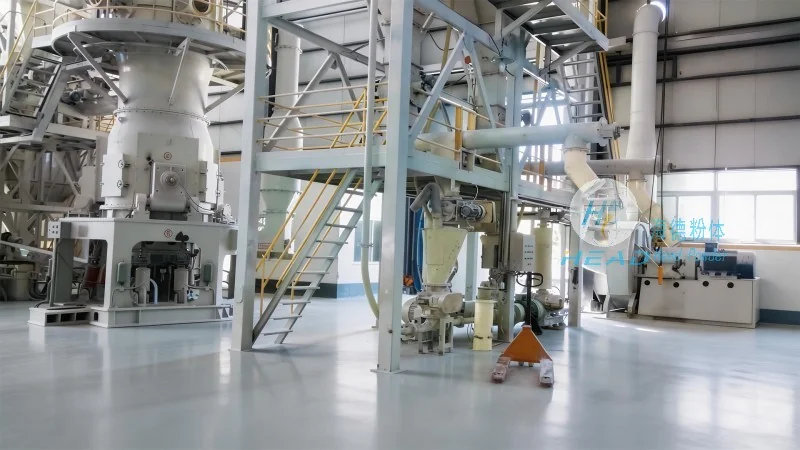
Applications and Industry Integration
Dry sand material handling equipment is widely used across multiple industries, including construction, mining, and manufacturing. In construction, it facilitates the transport of sand for concrete mixing and foundation work, ensuring consistent material delivery to job sites. In mining operations, it aids in the movement of sand from extraction sites to processing plants, supporting downstream activities like washing and sorting. The manufacturing sector also benefits from these systems, particularly in industries that rely on sand for casting, molding, or as a raw material in composite production. The adaptability of dry sand handling equipment to these diverse applications underscores its importance in maintaining operational continuity and productivity.
Advantages and Considerations for Selecting Dry Sand Handling Solutions
When selecting dry sand material handling equipment, several advantages and considerations come into play. The primary benefits include improved material handling efficiency, reduced labor costs, and enhanced safety through automated transport. However, factors such as initial investment costs, energy consumption, and maintenance overhead must be carefully evaluated. For example, while pneumatic systems offer dust-free operation, they may require higher energy input compared to mechanical conveyors. Similarly, conveyor systems are generally more cost-effective for long-distance horizontal transport but may not be suitable for vertical movement without additional components. The choice of equipment should align with the specific operational demands and budget constraints of the user.
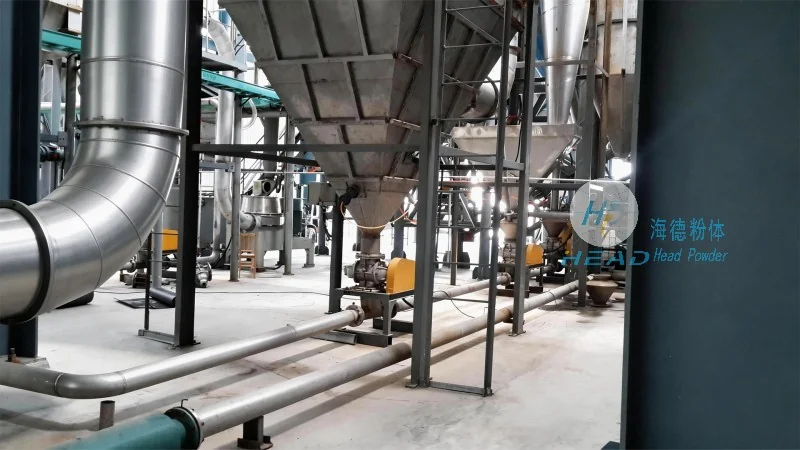
Conclusion and Company Commitment
HeadPowder Engineering Co., Ltd., based in Shandong, China, continues to innovate in the field of dry sand material handling equipment, providing tailored solutions that meet the evolving needs of industrial clients. By focusing on robust design, efficient operation, and customer-centric service, the company ensures that its equipment delivers reliable performance in various working scenes. As businesses seek to optimize their material handling processes, HeadPowder remains committed to delivering high-quality, durable equipment that enhances productivity and operational safety.