

Principle and Working Scene Characteristics of Limestone Powder Pneumatic Conveying Systems
HeadPowder, a leading engineering company based in Shandong, China, specializes in the design and implementation of advanced pneumatic conveying systems for limestone powder. This article delves into the fundamental principles behind these systems and highlights the key characteristics that define their operational effectiveness across various industrial settings.
The Principle of Limestone Powder Pneumatic Conveying Systems
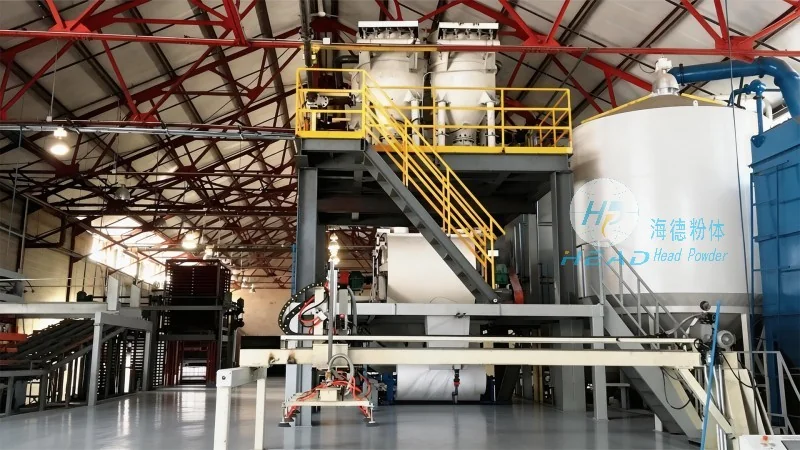
The core mechanism of a limestone powder pneumatic conveying system involves the use of compressed air or gas to transport dry powder materials through a pipeline. The system operates by creating a flow of air that lifts and propels the powder particles from the source to the destination. This process relies on the principle of fluidization, where the air flow provides sufficient kinetic energy to overcome the gravitational forces acting on the powder particles. The efficiency of the system is determined by factors such as the air velocity, particle size distribution, and the density of the limestone powder. Proper design ensures that the air flow is optimized to maintain a stable and continuous flow of material without causing excessive pressure drops or particle degradation.
Key Working Scene Characteristics
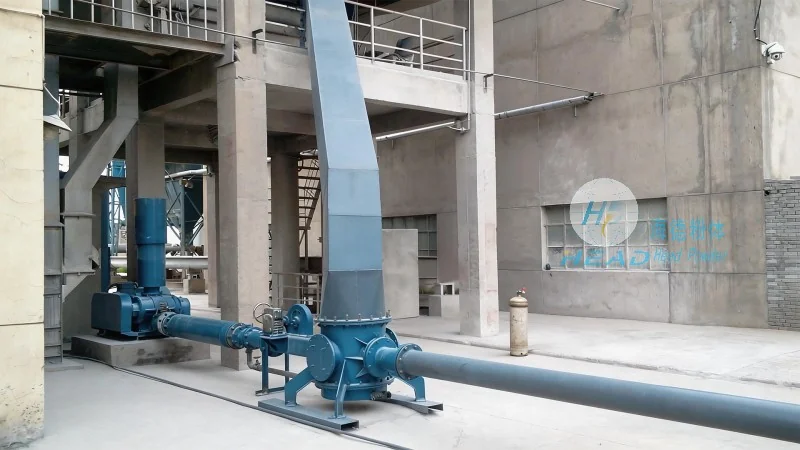
The working scene characteristics of limestone powder pneumatic conveying systems are shaped by the specific requirements of the industrial applications they serve. These characteristics include the distance over which the powder needs to be transported, the volume of material to be moved, and the environmental conditions of the operation. For instance, in large-scale industrial plants, the system may need to handle high volumes of limestone powder over long distances, requiring robust pipeline designs and efficient air compression systems. In contrast, smaller-scale applications might focus on shorter transport distances and lower material throughput, allowing for more compact and cost-effective solutions. Additionally, the characteristics of the limestone powder itself, such as its moisture content, particle size, and flowability, play a critical role in determining the system's performance. Systems are often tailored to accommodate variations in these properties to ensure reliable operation.
Application Scenarios and Practical Implications
Limestone powder pneumatic conveying systems are widely used in various industrial sectors, including chemical manufacturing, environmental remediation, and construction material production. In chemical plants, these systems facilitate the transport of limestone as a raw material for processes like flue gas desulfurization, where it is used to neutralize acidic emissions. The ability to handle large quantities of powder efficiently and with minimal dust generation is particularly valuable in such applications. In environmental projects, the system may be employed to transport limestone for soil stabilization or water treatment, where precise control over the material's distribution is essential. The working scene characteristics of these applications often demand high levels of accuracy and reliability, as any disruption in the conveying process could impact the overall efficiency of the treatment process. Furthermore, the systems are designed to minimize environmental impact by reducing dust emissions and ensuring energy efficiency, aligning with modern industrial standards for sustainability.
Technical Advancements and Operational Considerations
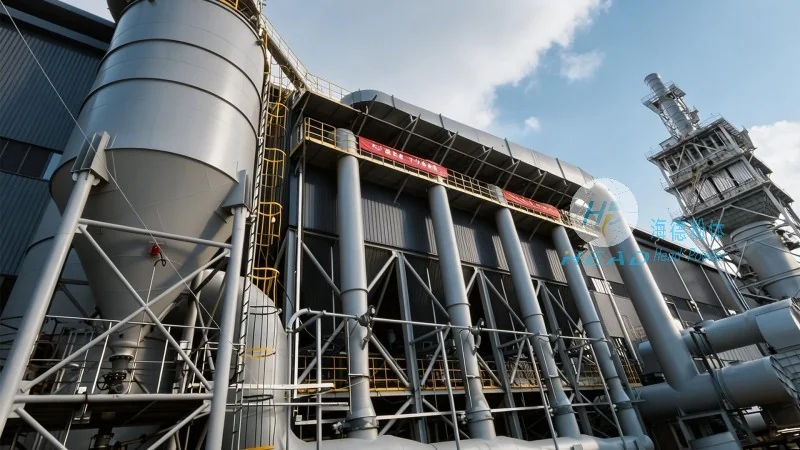
Recent advancements in pneumatic conveying technology have enhanced the performance and versatility of limestone powder systems. Innovations such as variable air flow control, particle size separation, and automated monitoring systems have improved the system's ability to handle diverse material characteristics and operational conditions. These advancements allow for better control over the conveying process, reducing the risk of blockages and ensuring consistent material delivery. Operational considerations also include regular maintenance and monitoring of the air compression units and pipeline components to prevent wear and tear. Proper maintenance schedules and the use of high-quality materials in the construction of the system contribute to its long-term reliability and cost-effectiveness. The working scene characteristics of the system, including the need for durability and low maintenance, are addressed through these technical improvements, making the system suitable for continuous industrial operations.
Conclusion and Company Expertise
HeadPowder Engineering Co., Ltd., with its headquarters in Shandong, China, leverages its expertise in pneumatic conveying technology to provide tailored solutions for limestone powder transport. The company's systems are designed to meet the specific working scene characteristics of various industrial applications, ensuring efficient, reliable, and environmentally friendly material handling. By focusing on the fundamental principles of pneumatic conveying and adapting to the diverse requirements of different industries, HeadPowder continues to deliver high-performance solutions that enhance operational efficiency and support sustainable industrial practices.