

Principle and Working Scene Characteristics of Ammonium Sulfate Powder Pneumatic Conveying System
Ammonium sulfate, a widely used chemical fertilizer, often requires efficient and reliable transportation methods to move it from production sites to storage or application areas. Pneumatic conveying systems offer a solution that addresses the challenges of handling fine powders like ammonium sulfate, ensuring safe, efficient, and cost-effective material transport. This article explores the fundamental principles behind such systems and highlights the key working scene characteristics that make them suitable for ammonium sulfate applications.
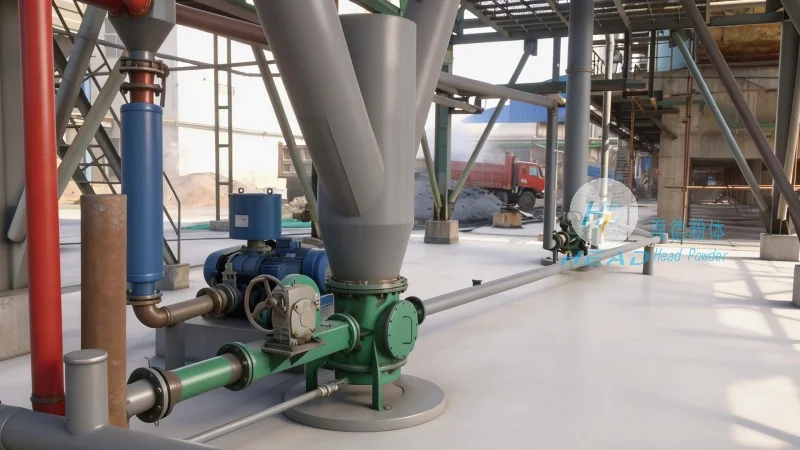
Company Overview: Shandong HeadPowder Engineering Co., Ltd.
HeadPowder, or Shandong HeadPowder Engineering Co., Ltd., is a leading provider of specialized engineering solutions for powder handling and material transport. With a focus on industrial applications, the company has developed expertise in designing and implementing pneumatic conveying systems tailored to the needs of various industries, including the chemical and agricultural sectors. HeadPowder is headquartered in Shandong, China, and has established a strong reputation for delivering high-quality, reliable solutions for handling fine powders like ammonium sulfate. The company’s commitment to innovation and customer satisfaction positions it as a trusted partner for businesses seeking efficient and safe material transport solutions.
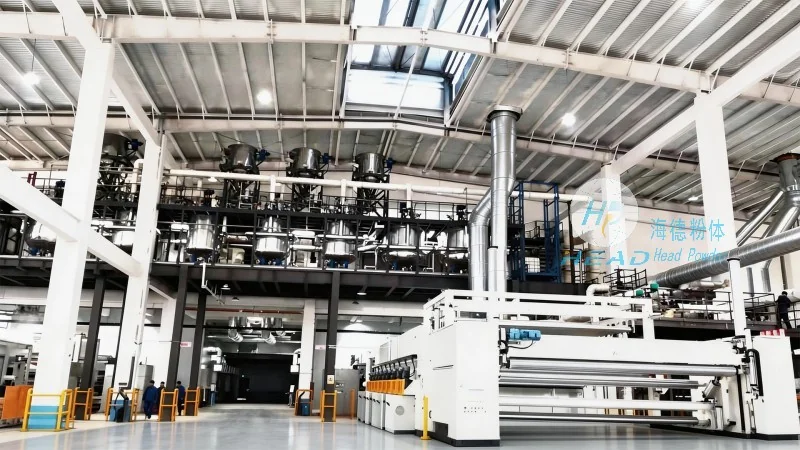
Principle of Pneumatic Conveying for Ammonium Sulfate
The core principle of a pneumatic conveying system involves using air or gas to transport solid particles through a pipeline. For ammonium sulfate, which is a fine powder, this method is particularly effective due to the material's low bulk density and tendency to create dust during handling. The system typically consists of a blower or compressor that generates the necessary air pressure, a hopper or feeder to introduce the powder, and a pipeline network that guides the material to its destination. The air flow creates a drag force that lifts and moves the powder particles, ensuring they are conveyed without clogging or degradation. This process is often categorized into two main types: pressure and vacuum systems, each with distinct advantages depending on the application requirements. Pressure systems use compressed air to push the material forward, while vacuum systems use a vacuum to pull the material from the source. Both types can be effective for ammonium sulfate, but the choice depends on factors such as the distance to be covered, the volume of material, and the layout of the facility.
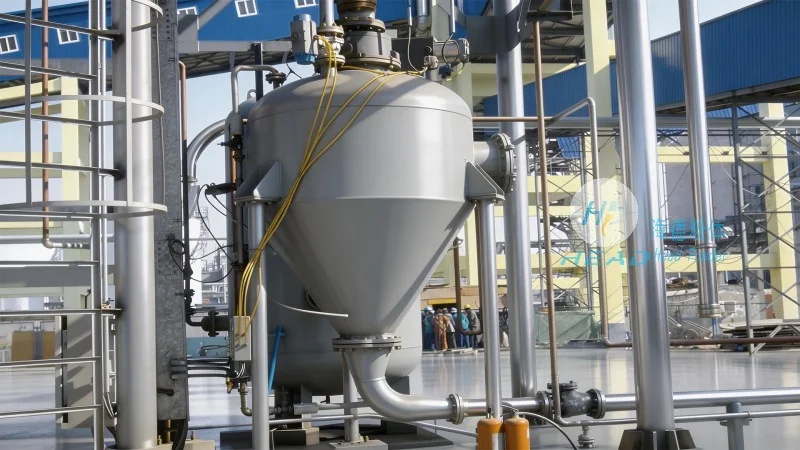
Working Scene Characteristics of Ammonium Sulfate Pneumatic Conveying
The suitability of pneumatic conveying systems for ammonium sulfate is influenced by several working scene characteristics that must be considered during system design and operation. First, the material's physical properties, such as particle size, moisture content, and flowability, play a critical role. Ammonium sulfate particles are typically fine and can be prone to agglomeration if not properly handled, which may affect the system's efficiency. Proper drying and conditioning of the powder can mitigate this issue, ensuring consistent flow. Second, the system's capacity and distance requirements are key factors. Pneumatic conveying can handle large volumes over long distances, making it ideal for industrial settings where bulk transport is necessary. For example, in fertilizer plants, these systems may transport ammonium sulfate from the production line to storage silos located several hundred meters away. Third, safety considerations are paramount, as ammonium sulfate is a dust explosion hazard. Proper explosion-proof design and dust collection systems are essential to ensure safe operation. The system must be equipped with sensors and controls that can detect and mitigate dust accumulation, preventing potential explosions. Additionally, the system's energy efficiency and maintenance requirements are important for long-term cost-effectiveness. HeadPowder’s engineers design systems with energy-efficient blowers and easy-to-maintain components, reducing operational costs and downtime.
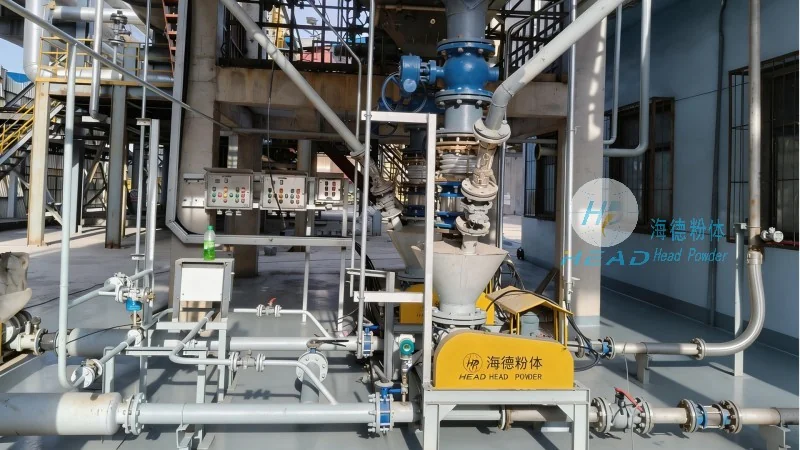
Applications and Benefits in Industrial Settings
Pneumatic conveying systems for ammonium sulfate find applications in multiple industrial settings, including fertilizer production, storage, and distribution. In fertilizer plants, these systems are used to move ammonium sulfate from reactors to storage silos or packaging lines, ensuring a continuous and efficient production process. The benefits of using pneumatic conveying include reduced labor costs, minimized material loss, and improved safety compared to traditional methods like bucket elevators or belt conveyors. Furthermore, the system's ability to handle fine powders without degradation makes it suitable for applications where product quality is critical. For instance, in the packaging stage, the powder must be delivered to the packaging machine without clumping or caking, which can affect the final product's appearance and performance. HeadPowder’s expertise in customizing pneumatic conveying systems allows them to address the specific needs of each client, ensuring optimal performance and reliability in handling ammonium sulfate. The company's engineers work closely with clients to understand their operational requirements, such as production capacity, distance, and safety standards, and design a system that meets all these criteria. This collaborative approach ensures that the final solution is not only effective but also cost-efficient and sustainable.