

Principles and Working Scene Characteristics of Polypropylene Powder Pneumatic Conveying Systems
HeadPowder, a leading engineering company based in Shandong, China, specializes in the design and implementation of advanced pneumatic conveying systems for various industrial applications. This article delves into the fundamental principles of polypropylene powder pneumatic conveying systems and highlights the key characteristics of their operational scenarios.
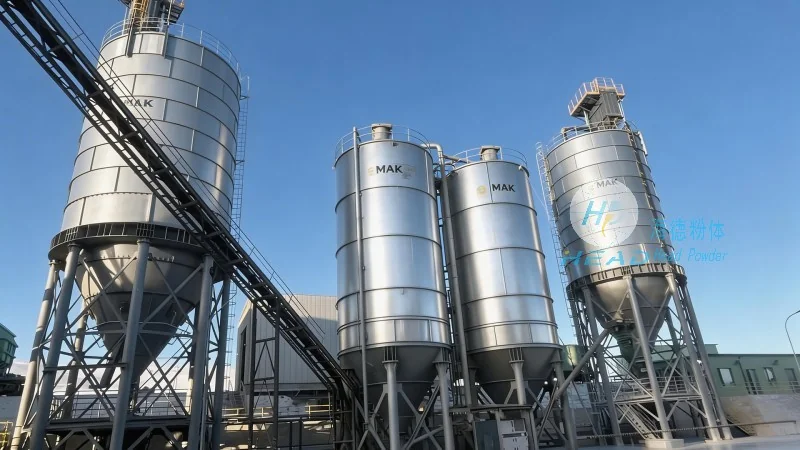
Company Overview and Expertise
HeadPowder Engineering Co., Ltd. is a reputable enterprise dedicated to providing innovative solutions for material handling challenges in the chemical, plastic, and food processing industries. With a strong focus on engineering excellence and customer satisfaction, the company has established itself as a trusted partner for businesses seeking efficient and reliable powder transport solutions. Headquartered in Shandong, China, HeadPowder leverages its local expertise and global standards to deliver tailored pneumatic conveying systems that meet the specific demands of modern industrial operations.
Principles of Polypropylene Powder Pneumatic Conveying Systems
The core principle of pneumatic conveying systems involves the use of air or gas to transport bulk materials, such as polypropylene powder, through a pipeline network. In the case of polypropylene, which is a thermoplastic polymer commonly used in manufacturing, the system must be designed to handle its unique properties, including its particle size, density, and flow characteristics. The system typically comprises several key components: a feeding device to introduce the powder into the pipeline, a conveying pipeline that transports the material, a separation unit to separate the powder from the air, and a discharge mechanism to deliver the material to its destination. The air velocity within the pipeline is carefully controlled to ensure that the powder particles are entrained and transported efficiently without causing excessive wear or blockages. For polypropylene powder, which can be prone to static charge buildup, the system may incorporate anti-static measures to prevent material accumulation and ensure smooth operation. The selection of the appropriate conveying method—such as dilute phase or dense phase—depends on factors like the material's properties, the distance to be transported, and the required flow rate. Dilute phase systems use higher air velocities to move the powder in a dispersed state, while dense phase systems use lower velocities to transport the material in a more concentrated form, often with higher pressure differentials.
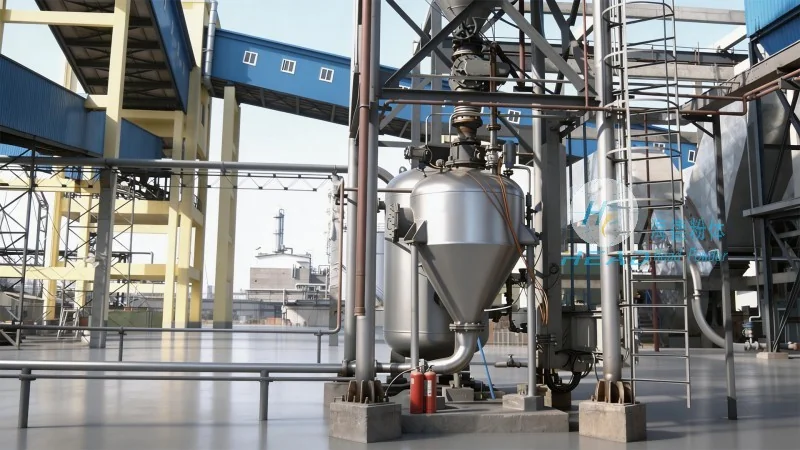
Working Scene Characteristics of Pneumatic Conveying Systems
The operational scenarios of polypropylene powder pneumatic conveying systems vary widely across different industrial sectors. In the plastic manufacturing industry, these systems are commonly used to transport raw polypropylene pellets or powders from storage silos to processing equipment, such as extruders or injection molding machines. The systems must be capable of handling large volumes of material while maintaining consistent flow rates to ensure stable production processes. In the chemical industry, similar systems may be employed to transport other powders, but the design considerations for polypropylene, with its lower density and potential for static charge, require specialized solutions. For example, in food processing applications, where hygiene and material purity are critical, the pneumatic conveying system must be constructed from materials that are food-grade and easy to clean, ensuring compliance with regulatory standards. The working scene characteristics also include the need for flexibility in system configuration, as different production lines may require varying lengths of pipeline, different number of branches, or integration with other processing equipment. HeadPowder's systems are designed to be modular and scalable, allowing for easy adaptation to changing production needs without the need for extensive reconfiguration. Additionally, the systems must be equipped with monitoring and control features to ensure safe and efficient operation, including pressure sensors, flow meters, and alarm systems that alert operators to any deviations from normal performance.
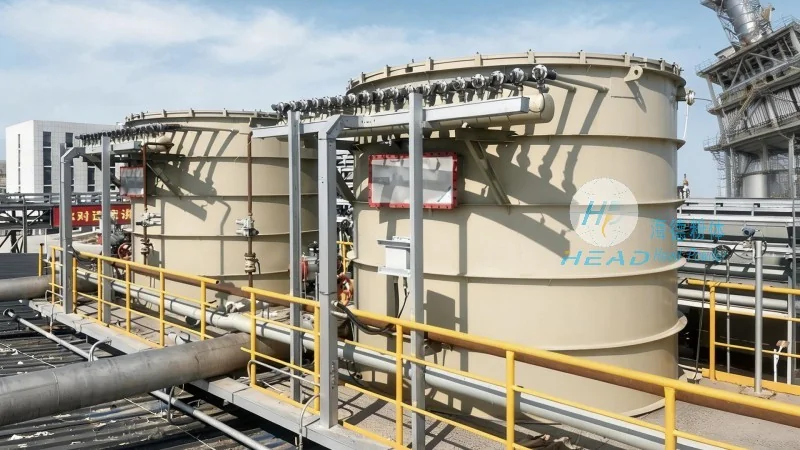
Advantages of Polypropylene Powder Pneumatic Conveying Systems
Implementing a pneumatic conveying system for polypropylene powder offers several significant advantages over traditional methods, such as belt conveyors or bucket elevators. One of the primary benefits is the ability to transport materials in a closed system, which helps to prevent dust emissions and contamination, thereby improving workplace safety and maintaining product quality. The closed pipeline design also reduces the risk of material degradation due to exposure to air or moisture, which is particularly important for polypropylene, as it can be susceptible to oxidation or degradation under certain conditions. Another key advantage is the system's flexibility in terms of layout and integration. Unlike fixed conveyors, pneumatic systems can be easily reconfigured or expanded to accommodate changes in production volume or process requirements. This adaptability makes them ideal for dynamic manufacturing environments where production schedules and product lines may change frequently. Furthermore, the systems are generally more energy-efficient compared to other transport methods, as they can utilize the existing air handling infrastructure and minimize the need for additional mechanical components. The reduced maintenance requirements of pneumatic systems, particularly when compared to mechanical conveyors that involve moving parts like belts or chains, also contribute to lower operational costs over the long term. HeadPowder's systems are engineered with durability and reliability in mind, featuring high-quality materials and robust construction that can withstand the demands of continuous operation in industrial settings.
Application Examples and Case Studies
HeadPowder has successfully implemented polypropylene powder pneumatic conveying systems in a variety of real-world applications across different industries. For instance, in a large-scale plastic manufacturing plant, the company designed a system that transports 10 tons of polypropylene powder per hour from a storage silo to an extrusion line over a distance of 150 meters. The system was configured as a dense phase conveying system to ensure consistent flow rates and minimize material degradation. The client reported a significant reduction in dust emissions and a 20% increase in production efficiency compared to their previous manual handling methods. In another case, a food processing facility in China required a hygienic pneumatic conveying system to transport polypropylene-based food additives from storage to processing equipment. HeadPowder's solution included stainless steel construction, anti-static components, and a closed-loop air system to maintain strict hygiene standards. The system successfully met all regulatory requirements and helped the client achieve higher throughput while maintaining product purity. These examples illustrate the versatility and effectiveness of polypropylene powder pneumatic conveying systems in addressing the unique challenges of different industrial applications.