

Principle and Working Scene Characteristics of High-Pressure Dense-Phase Powder Pneumatic Conveying
High-pressure dense-phase powder pneumatic conveying equipment represents a sophisticated solution for the efficient and reliable transport of bulk powders in industrial applications. This technology, developed by Shandong HeadPowder Engineering Co., Ltd., a leading manufacturer based in China, combines advanced engineering principles with practical operational insights to address the unique challenges of powder handling in various sectors.
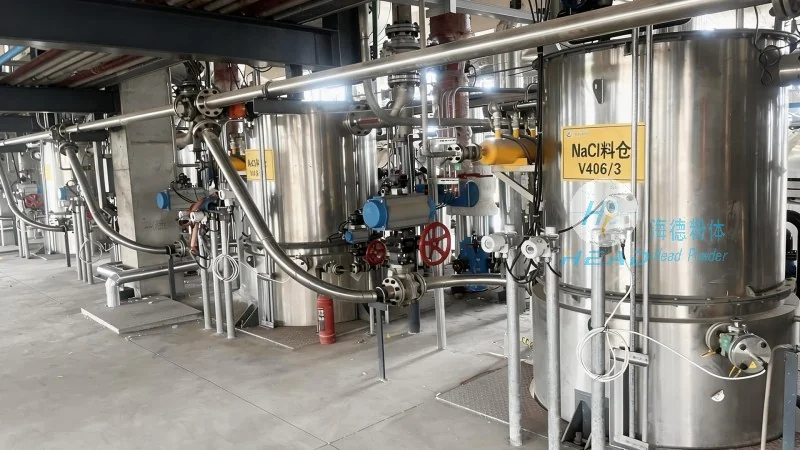
Company Background and Expertise
HeadPowder, as the brand of Shandong HeadPowder Engineering Co., Ltd., has established itself as a trusted name in the field of pneumatic conveying systems. With a strong presence in China, the company leverages years of experience and technical expertise to design, manufacture, and supply high-quality equipment tailored to meet the diverse needs of industrial clients. The company's commitment to innovation and quality ensures that its products are not only efficient but also durable and easy to maintain, making them a preferred choice for businesses seeking reliable powder handling solutions.
Principle of High-Pressure Dense-Phase Pneumatic Conveying
The core principle of high-pressure dense-phase pneumatic conveying involves the use of compressed air to transport powders in a dense, slurry-like state. Unlike traditional pneumatic conveying methods that rely on low-pressure, dilute-phase flow, this technique operates at higher pressures, typically ranging from 0.5 to 2.0 MPa, which allows for the movement of powders with higher solids concentration. The equipment uses a positive displacement pump or a high-pressure blower to generate the necessary pressure, and the powder is introduced into the conveying line in a controlled manner, often with the aid of a feeder or a hopper. The dense-phase flow ensures that the powder particles are closely packed, reducing the risk of segregation and improving the overall conveying efficiency. This method is particularly effective for handling abrasive, fine, or sensitive powders that require gentle handling to prevent degradation or loss of quality.
Working Scene Characteristics and Applications
High-pressure dense-phase pneumatic conveying equipment is widely used in a variety of industrial applications where the reliable and efficient transport of bulk powders is critical. Some of the key working scene characteristics and typical applications include:
1. Pharmaceutical and Food Industries: In these sectors, the equipment is used to transport powders such as active pharmaceutical ingredients (APIs), food additives, and granules. The dense-phase conveying ensures that the powders are handled gently, minimizing the risk of contamination and maintaining product integrity. The high-pressure operation also allows for the transport of powders over long distances without the need for multiple transfer points.
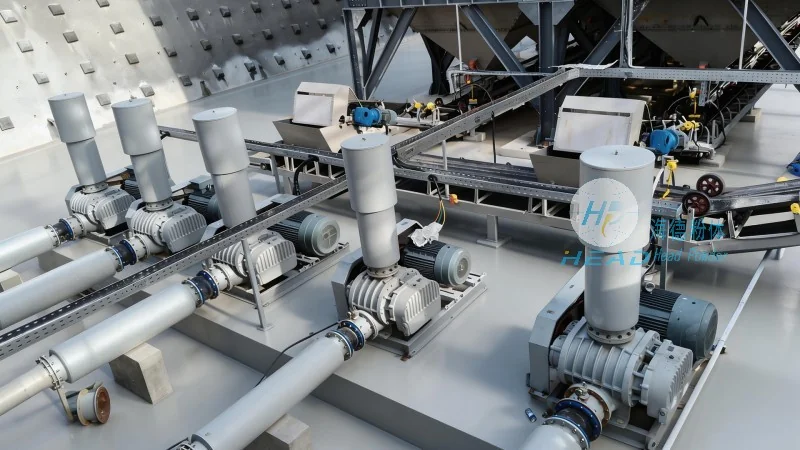
2. Chemical and Petrochemical Industries: Chemical powders, including catalysts, pigments, and raw materials, are often transported using high-pressure dense-phase systems. The equipment's ability to handle abrasive and corrosive powders makes it suitable for these applications, where durability and reliability are paramount. The dense-phase flow also helps in reducing the risk of dust explosions by keeping the powder particles in a compact state.
3. Mineral Processing and Mining: In mining operations, the equipment is used to transport minerals, ores, and other bulk materials from processing plants to storage facilities or for further processing. The high-pressure dense-phase conveying allows for the efficient transport of large quantities of material, reducing the need for manual handling and improving overall operational efficiency.
4. Construction and Building Materials: Powders such as cement, fly ash, and other construction materials are commonly transported using high-pressure dense-phase systems. The equipment's ability to handle large volumes of material at high speeds makes it ideal for construction projects where timely delivery of materials is essential.
Advantages and Key Features
High-pressure dense-phase pneumatic conveying equipment offers several advantages over traditional conveying methods. Some of the key benefits include:
1. Improved Efficiency and Capacity: The dense-phase flow allows for the transport of higher solids concentrations, resulting in increased conveying capacity and reduced energy consumption compared to dilute-phase systems.
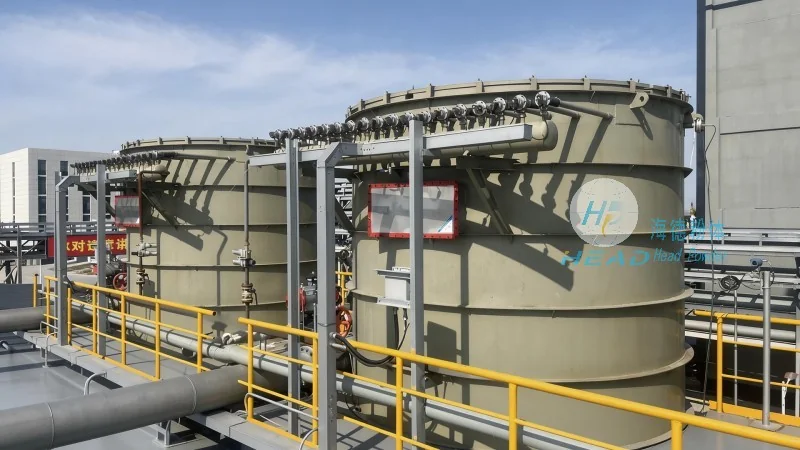
2. Reduced Risk of Segregation and Degradation: The compact nature of the dense-phase flow minimizes the risk of powder segregation, which can lead to quality variations. It also reduces the risk of particle degradation due to friction or impact, ensuring that the transported material maintains its original properties.
3. Enhanced Safety: By keeping the powder particles in a dense state, the equipment reduces the risk of dust explosions and other safety hazards associated with fine powders. The high-pressure operation also helps in maintaining a consistent flow, preventing blockages and ensuring smooth operation.
4. Versatility and Adaptability: The equipment can be customized to handle a wide range of powder types, including fine, coarse, abrasive, and sensitive materials. It can also be adapted to transport materials over long distances, making it suitable for various industrial applications.
Conclusion
High-pressure dense-phase powder pneumatic conveying equipment, as offered by Shandong HeadPowder Engineering Co., Ltd., is a reliable and efficient solution for the transport of bulk powders in various industrial sectors. By leveraging advanced engineering principles and practical operational insights, the company provides equipment that meets the diverse needs of its clients, ensuring high performance, durability, and safety. The equipment's ability to handle a wide range of powder types and its adaptability to different operational requirements make it an ideal choice for businesses seeking to optimize their powder handling processes and improve overall operational efficiency.